Managing Canine OA: Top Home Mobility Aids for 2026
Discover the best home mobility aids, orthopedic beds, and daily routines for managing canine osteoarthritis in 2026. Keep your dog comfortable.
Understanding Canine Osteoarthritis in 2026
Living with a dog diagnosed with osteoarthritis (OA) requires a compassionate, multi-faceted approach that goes far beyond daily medication. As we move through 2026, the veterinary and canine rehabilitation communities have placed an unprecedented emphasis on environmental management and holistic home care. Osteoarthritis is a progressive, degenerative joint disease that causes the cartilage cushioning the joints to wear away, leading to pain, stiffness, and reduced mobility.
According to VCA Animal Hospitals, osteoarthritis is one of the most common chronic diseases seen in dogs, affecting an estimated 20% of adult dogs and up to 80% of senior dogs. While veterinary medicine offers excellent pharmaceutical options like NSAIDs, monoclonal antibodies, and joint supplements, the foundation of managing canine OA at home lies in modifying your living space and daily routines to minimize joint strain.
In this comprehensive guide, we will explore the most effective home modifications, mobility aids, orthopedic beds, and daily routine adjustments to ensure your arthritic dog lives a comfortable, happy, and active life in 2026.
Essential Home Modifications for Joint Health
Before purchasing expensive equipment, look at your home through the eyes of an arthritic dog. Slippery floors and awkward layouts are the enemies of joint health.
Tackling Slippery Floors
Hardwood, tile, and laminate floors can be incredibly dangerous for dogs with OA. When a dog slips, their legs splay out, placing immense torque on the hips, knees, and shoulders. To combat this, create 'safe pathways' through your home using:
- Interlocking Foam Mats: Often used in home gyms, these provide excellent grip and a slight cushion. They are inexpensive and easy to clean.
- Yoga Mats: Rolled out in hallways or near food bowls, yoga mats offer a high-traction surface.
- Low-Pile Area Rugs: Secure these with heavy-duty, non-slip rug pads to prevent the rugs themselves from sliding.
Optimizing Feeding Stations
Bending down to the floor to eat and drink places unnecessary strain on the neck, shoulders, and front limbs. Elevate your dog's food and water bowls so the rim of the bowl is roughly level with their lower chest. In 2026, adjustable bamboo and stainless-steel elevated feeders are widely available and allow you to change the height as your dog's posture or condition changes over time.
Top Mobility Aids: Ramps, Stairs, and Harnesses
Jumping on and off furniture or in and out of vehicles is one of the leading causes of acute pain flare-ups in dogs with OA. Investing in the right mobility aids is non-negotiable for preserving your dog's remaining joint function.
Mobility Aids Comparison Chart (2026)
| Aid Type | Best For | Pros | Cons | 2026 Avg Cost |
|---|---|---|---|---|
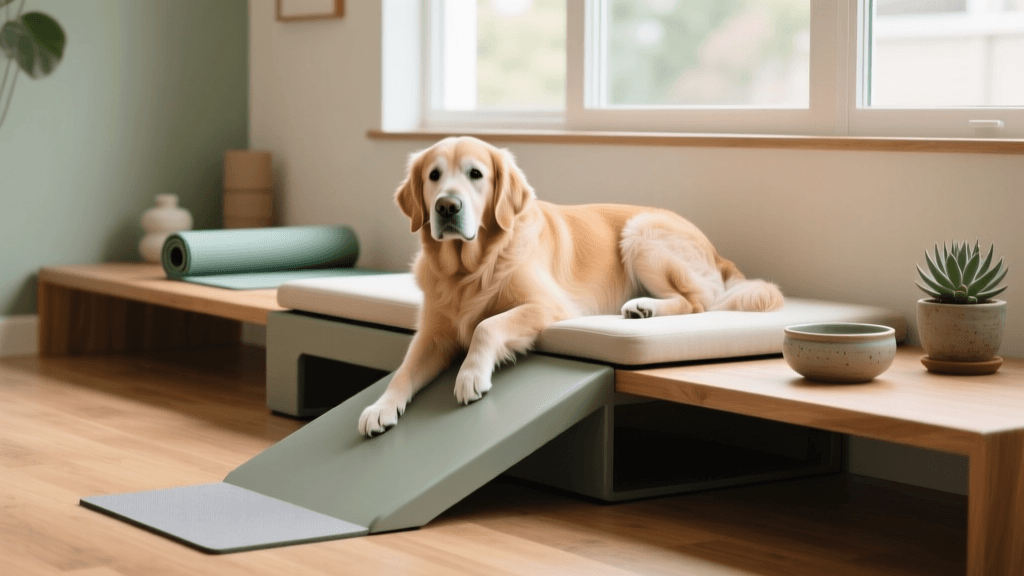
| Folding/Telescoping Ramps | SUVs, Trucks, High Beds | Gentle incline, highly portable, reduces joint impact | Takes up floor space, requires training | $90 - $180 |
| Pet Stairs | Couches, Low Beds, Armchairs | Compact, stays in place, easy for small dogs | Hard on carpal (wrist) joints for severe OA | $45 - $120 |
| Support Lift Harness | Stairs, Car Exits, Post-Slip Recovery | Full body support, prevents falls, builds confidence | Requires owner physical strength to use | $60 - $140 |
| Orthopedic Step-In Ramps | Indoor use for high human beds | Combines stairs and ramp, very stable | Bulky, heavy, difficult to move between rooms | $150 - $250 |
Choosing and Training for a Ramp
For vehicle travel, a telescoping aluminum ramp with a high-traction grip surface is the gold standard. Look for models that support at least 150 lbs, even if your dog is smaller, to ensure structural rigidity and prevent wobbling, which can frighten an arthritic dog. When introducing a ramp, lay it flat on the grass first. Use high-value treats to lure your dog across it. Never force or drag your dog onto a ramp; patience is key to building their confidence.
The Role of Support Harnesses
A well-fitted support harness with a sturdy handle over the hips and shoulders is a game-changer. Brands like Ruffwear and Help 'Em Up have engineered harnesses in 2026 that distribute weight evenly, allowing you to 'lift' your dog's hindquarters when navigating stairs or helping them into the car. This drastically reduces the load on their failing rear joints.
Choosing the Right Orthopedic Bed
Dogs with OA sleep more than healthy dogs, often up to 18 hours a day. The surface they sleep on directly impacts their morning stiffness. Standard poly-fill dog beds flatten out quickly and offer zero joint support.
What to Look for in an Orthopedic Bed
- High-Density Memory Foam: Look for beds that use human-grade, therapeutic memory foam that does not bottom out when your dog lies on it. The foam should be at least 4 to 7 inches thick for large breeds.
- Bolsters for Neck Support: Many arthritic dogs suffer from spinal and neck issues. A bolstered edge allows them to rest their head, keeping the spine aligned and taking pressure off the cervical vertebrae.
- Waterproof Liners: Senior dogs may experience incontinence. A removable, machine-washable cover with an inner waterproof liner protects the expensive foam core.
Premium orthopedic beds, such as those from Big Barker or Furhaven's elite lines, typically range from $180 to $350 in 2026. While this is a significant investment, the durability of the foam and the profound impact on your dog's daily comfort make it one of the most important purchases you will make for their OA management.
Adjusting Your Daily Routine
Managing canine osteoarthritis is not just about the physical environment; it is about how you structure your dog's day. The American Kennel Club (AKC) notes that while exercise is vital to maintain muscle mass that supports the joints, the type of exercise must be carefully curated.
Low-Impact Exercise Strategies
Replace long, grueling hikes with multiple short, gentle walks throughout the day. A 15-minute walk three times a day is far better for an arthritic dog than a single 45-minute trek. Avoid activities that involve sudden stops, sharp turns, or jumping, such as fetch with a frisbee or tennis ball. Instead, try:
- Sniffaris: Allow your dog to wander slowly and sniff at their own pace. Mental stimulation tires a dog out just as much as physical exercise, without the joint impact.
- Hydrotherapy: If available in your area, canine hydrotherapy (swimming or underwater treadmills) provides excellent cardiovascular exercise and muscle building with zero impact on the joints due to the buoyancy of the water.
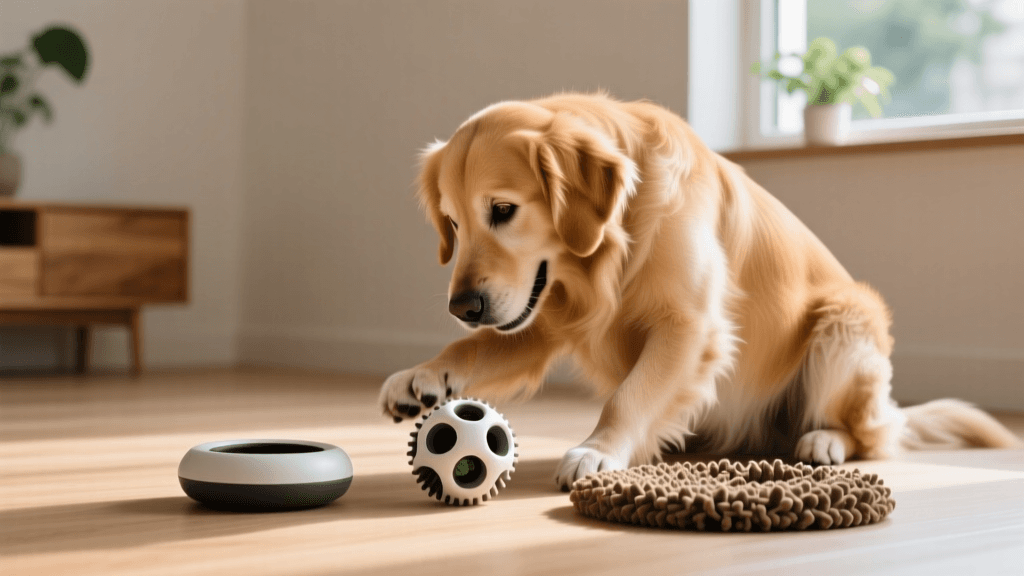
- Puzzle Toys: Use snuffle mats and food-dispensing puzzles to keep your dog mentally engaged while they rest on their orthopedic bed.
Weight Management and Diet
Keeping your dog lean is arguably the single most effective treatment for canine OA. Every extra pound of body weight places exponentially more stress on damaged joints. In 2026, veterinary nutritionists highly recommend prescription joint-support diets that are rich in Omega-3 fatty acids (EPA and DHA), which have proven anti-inflammatory properties. Work closely with your veterinarian to calculate your dog's exact caloric needs and weigh their food using a digital kitchen scale rather than a measuring cup to ensure precision.
When to Consult Your Veterinarian
While home modifications and mobility aids are critical, they are only one piece of the puzzle. Canine OA is a progressive disease, and your dog's pain management protocol will need to evolve over time. Schedule regular veterinary check-ups every six months to assess your dog's mobility, adjust medication dosages, and discuss emerging therapies such as stem cell treatments, platelet-rich plasma (PRP), or specialized laser therapy.
By combining modern veterinary science with thoughtful, proactive home management, you can significantly slow the progression of osteoarthritis and ensure your loyal companion enjoys a high quality of life well into their golden years.
aaron-whyte
All our authors care for dogs every day — read more of their work on the authors page.