2026 Canine OA Treatments: Librela, Ramps & Routine
Discover the best 2026 canine OA treatments. Learn how to combine Librela injections, orthopedic ramps, and daily routines to keep your senior dog mobile.
Understanding Canine Osteoarthritis in 2026
Osteoarthritis (OA) is a progressive, degenerative joint disease that affects an estimated 20% of adult dogs and over 80% of senior dogs. As our canine companions live longer than ever before, managing joint pain has become a central pillar of senior dog care. In 2026, the landscape of canine OA treatment has evolved dramatically, moving away from a sole reliance on traditional painkillers toward targeted biologic therapies, advanced home modifications, and holistic daily routines.
Living with a dog suffering from OA requires a multifaceted approach. It is no longer enough to simply administer medication and hope for the best. Modern veterinary science emphasizes a combination of disease-modifying agents, environmental adaptations, and tailored physical therapy. According to the Cornell University College of Veterinary Medicine, early intervention and comprehensive management plans are critical to slowing the progression of cartilage degradation and maintaining a dog's quality of life. This guide will walk you through the most effective, up-to-date strategies for managing canine OA in 2026.
The Biologic Revolution: Librela (Bedinvetmab)
The most significant breakthrough in recent years for canine OA management is the widespread adoption of anti-Nerve Growth Factor (anti-NGF) monoclonal antibodies, specifically Librela (bedinvetmab). Unlike traditional Non-Steroidal Anti-Inflammatory Drugs (NSAIDs) which inhibit enzymes to reduce systemic inflammation, Librela targets the underlying pain signaling pathway directly at the joint level.
NGF is a protein that becomes overexpressed in osteoarthritic joints, leading to heightened pain sensitivity and further joint degradation. By binding to and neutralizing NGF, Librela effectively 'turns down the volume' on pain signals sent to the brain. Administered as a simple subcutaneous injection by your veterinarian once a month, it has become the gold standard for long-term OA management in 2026.
Benefits and Considerations for Librela
- Organ Safety: Because it is a protein-based biologic rather than a chemical drug, Librela is metabolized like natural antibodies. This means it does not carry the same risks of gastrointestinal, renal, or hepatic toxicity associated with long-term NSAID use, making it ideal for senior dogs with pre-existing organ concerns.
- 2026 Pricing: The cost of Librela varies by the dog's weight and geographic location, but in 2026, owners can expect to pay between $80 and $130 per monthly dose.
- Efficacy Timeline: While some dogs show improvement after the first injection, veterinary protocols recommend committing to at least two to three monthly doses to achieve peak therapeutic levels in the joint tissue.
Essential Home Modifications for Joint Health
Medical treatment must be paired with environmental changes. A dog with OA struggles with traction, impact, and elevation. Modifying your home reduces the mechanical stress placed on compromised joints.
Orthopedic Ramps and Stairs
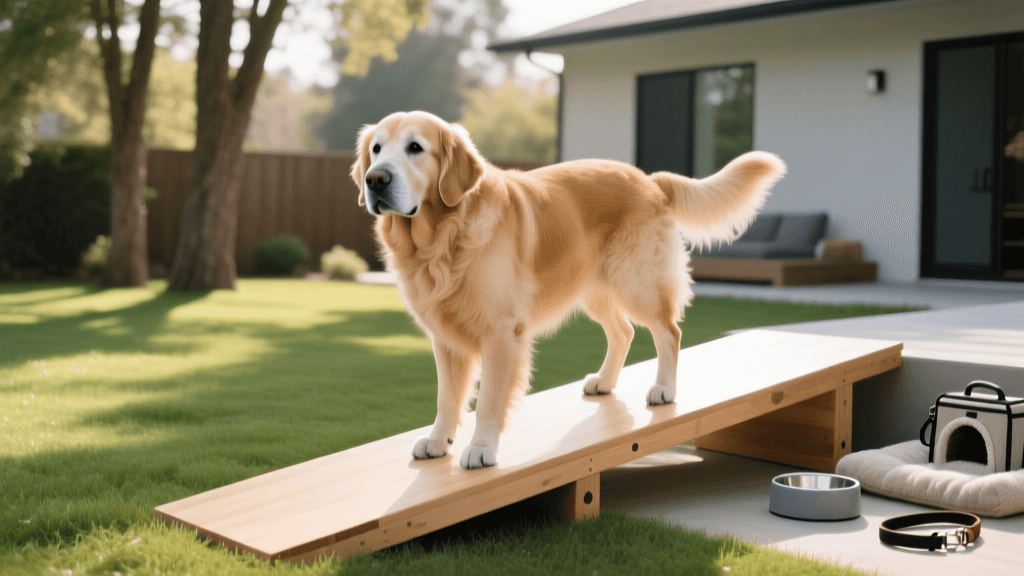
Jumping on and off furniture or into vehicles causes massive concussive force on arthritic joints. In 2026, high-traction, adjustable ramps are considered mandatory for OA households. The Gen7Pets Natural Step Ramp remains a top choice due to its 72-inch length and 16-inch width, which provides a gentle incline and ample room for dogs with poor proprioception. For smaller breeds or couch access, the PetSafe CozyUp Folding Pet Stairs offer high-density foam steps that absorb impact better than hard plastic alternatives.
Therapeutic Bedding
Standard dog beds flatten out quickly, leaving arthritic dogs resting on hard floors. The Big Barker Orthopedic Dog Bed is widely recommended by veterinary physical therapists. It features a 7-inch triple-layer foam system designed specifically to prevent the foam from bottoming out under the weight of large, heavy dogs. The 10-year warranty ensures the bed maintains its structural integrity, keeping pressure off the dog's hips and elbows.
Flooring and Traction Solutions
Slippery hardwood or tile floors are a nightmare for dogs with weak hind ends. Instead of covering your entire home in carpets, use interlocking high-density EVA foam tiles or non-slip yoga mats in your dog's primary walking corridors. Additionally, applying paw-grip pads like Musher's Secret Paw Wax or silicone paw grips (such as Pawz Rubber Dog Boots) can provide immediate traction for dogs struggling to stand up from a lying position.
Structuring a Low-Impact Daily Routine
Consistency is vital for arthritic dogs. Weekend warriors who overexert themselves on Saturdays and limp for the rest of the week need a structured, predictable routine. The American Kennel Club recommends breaking exercise into multiple short, controlled sessions rather than one long outing.
Sample 2026 Daily OA Routine
- Morning (7:00 AM): 5 minutes of passive range of motion (PROM) exercises. Gently bicycle your dog's hind legs while they lie on their side to lubricate the joints with synovial fluid before they bear weight.
- Mid-Morning (10:00 AM): 15-minute leash walk on a flat surface. Avoid grass or uneven terrain where hidden dips could cause a stumble. Use a front-clip harness to distribute pulling force evenly across the chest rather than the neck.
- Afternoon (2:00 PM): Mental enrichment. Physical rest does not mean mental boredom. Use a snuffle mat or a frozen Kong lick mat to engage their brain and provide dopamine release without requiring physical exertion.
- Evening (5:00 PM): Second 15-minute leash walk, followed by a gentle massage focusing on the compensatory muscles (usually the shoulders and neck, which bear extra weight when the hindquarters are weak).
Nutritional Support and Targeted Supplements
Weight management is the single most effective non-medical intervention for canine OA. Every extra pound of body weight places roughly four pounds of additional pressure on a dog's joints. Keeping your dog at a lean body condition score (BCS of 4/9) is non-negotiable.
Beyond calorie control, targeted joint supplements can help preserve remaining cartilage. In 2026, Dasuquin Advanced remains the premier veterinary-recommended joint health supplement. It contains a synergistic blend of Glucosamine, Chondroitin, MSM, and ASU (Avocado/Soybean Unsaponifiables), which has been shown to inhibit cartilage breakdown. Additionally, high doses of Omega-3 fatty acids (specifically EPA and DHA) from sources like Nordic Naturals Omega-3 Pet provide powerful natural anti-inflammatory effects. Aim for a combined EPA/DHA dose of roughly 300mg per 10 pounds of body weight daily, but always consult your veterinarian for exact dosing.
Comparison Chart: 2026 Canine OA Treatment Options
| Treatment Option | Primary Mechanism | 2026 Average Cost | Best Used For |
|---|---|---|---|
| Librela (Bedinvetmab) | Anti-NGF Monoclonal Antibody | $80 - $130 / month | Moderate to severe OA, long-term management |
| NSAIDs (e.g., Carprofen) | Cyclooxygenase (COX) Inhibition | $40 - $90 / month | Acute flare-ups, dogs unresponsive to anti-NGF |
| Dasuquin Advanced | Cartilage Matrix Support (ASU, MSM) | $50 - $80 / month | Mild OA, early-stage joint support |
| Hydrotherapy | Low-impact muscle conditioning | $75 - $120 / session | Muscle atrophy prevention, post-surgery |
| Adequan Injections | Polysulfated Glycosaminoglycan | $60 - $100 / series | Slowing cartilage degradation in early OA |
Mental Enrichment Without Physical Strain
One of the most overlooked aspects of living with an OA dog is the psychological toll of reduced mobility. Dogs that can no longer run, fetch, or hike often develop anxiety or depressive behaviors. In 2026, canine enrichment has evolved to offer incredible low-impact alternatives.
Indoor scent work is a fantastic way to tire out an arthritic dog. Hide high-value treats (like freeze-dried liver) around a single room and encourage your dog to 'find it.' Ten minutes of intense sniffing burns as much mental energy as an hour of physical walking. Additionally, teaching 'target' commands (touching their nose to a specific object) or practicing gentle trick training using a raised cot keeps their mind sharp while respecting their physical limitations.
Conclusion: A Proactive Approach to Senior Care
Managing canine osteoarthritis in 2026 is about proactive, layered care. By leveraging advanced biologic treatments like Librela, investing in high-quality home modifications like orthopedic ramps and therapeutic beds, and adhering to a strict, low-impact daily routine, you can drastically improve your dog's comfort and mobility. Always partner closely with your veterinarian to tailor these strategies to your dog's specific needs, ensuring your loyal companion enjoys their golden years with the dignity and joy they deserve.
tom-renshaw
All our authors care for dogs every day — read more of their work on the authors page.