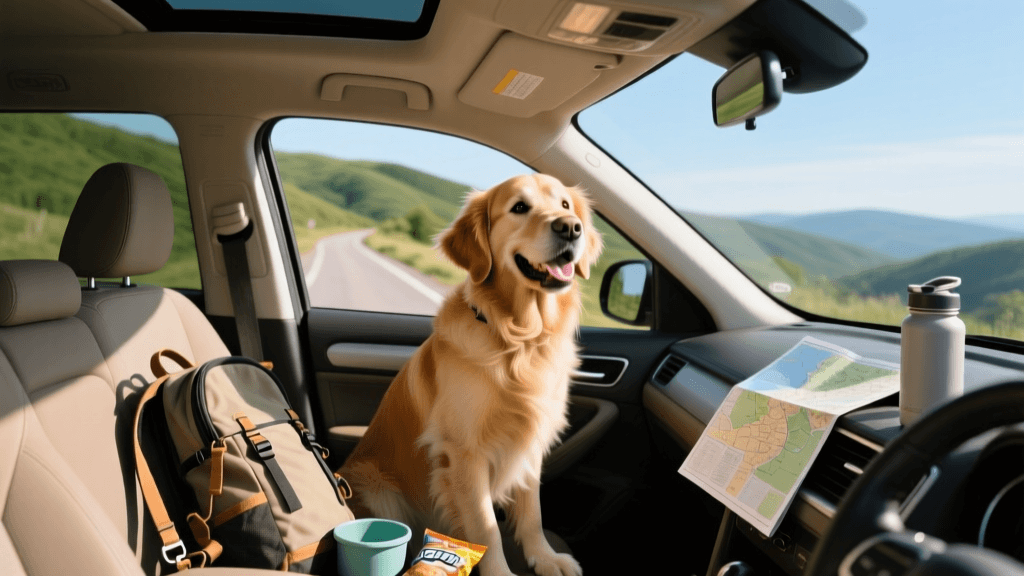
Avoid These 5 Common Dog Car Travel Safety Mistakes
Discover the top 5 common dog car travel safety mistakes owners make. Learn how to choose the right crate, harness, and gear for safe road trips.
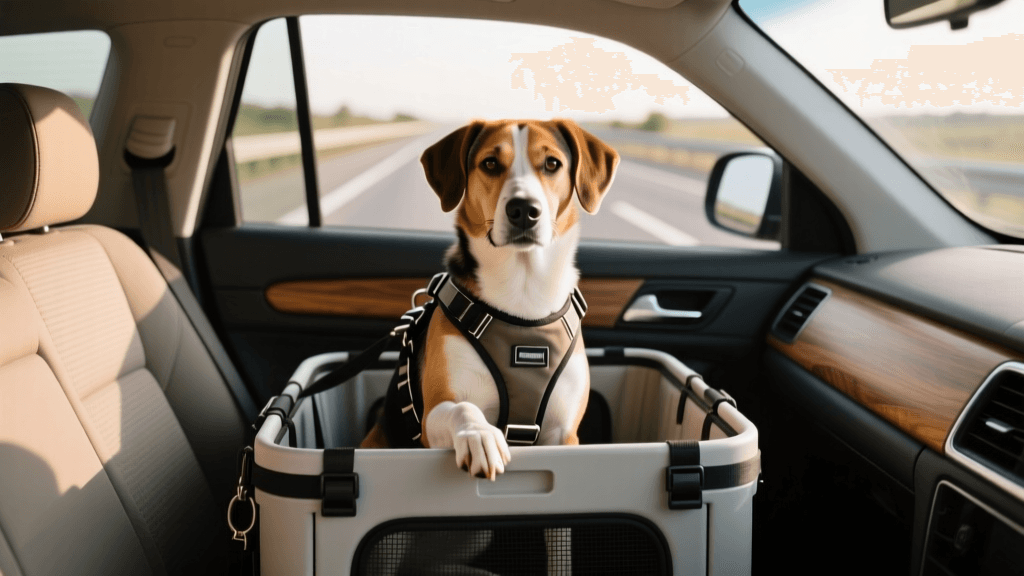
The Hidden Dangers of Hitting the Road with Your Dog
Hitting the open road with your canine companion is one of the greatest joys of pet ownership. Whether you are embarking on a cross-country adventure, heading to a local hiking trail, or simply making a trip to the veterinarian, car travel is an inevitable part of life with your dog. However, many well-meaning dog owners unknowingly put their furry friends at risk by making critical errors in vehicle safety and comfort. According to industry surveys, a vast majority of pet owners admit to driving with their pets unrestrained, leading to thousands of preventable injuries every year. In this comprehensive guide, we will explore the most common dog car travel safety mistakes and provide actionable, practical advice to ensure your next journey is both safe and enjoyable.
Mistake 1: Relying on Untested Restraints and Cheap Gear
When shopping for dog car safety equipment, the market is flooded with inexpensive seatbelt tethers, mesh cargo barriers, and flimsy wire crates. The most dangerous mistake you can make is assuming that any restraint is better than no restraint. In the event of a sudden stop or a collision at just thirty miles per hour, a fifty-pound dog becomes a projectile weighing over one thousand pounds. To combat this, you must look for gear that has been rigorously crash-tested.
The Center for Pet Safety is the premier independent organization that conducts rigorous crash tests on pet travel products. Look for their certification seal when shopping. For large dogs, a crash-tested rotomolded crate like the Gunner G1 Kennel (priced around $700 to $900) is the gold standard. For small to medium dogs, a CPS-certified harness such as the Sleepypod Clickit Sport (approximately $100) or a certified carrier like the Sleepypod Mobile Pet Bed are excellent choices. Never use cheap, untested zipline tethers that attach to your car's headrests, as these can snap under pressure or cause severe whiplash and spinal injuries to your dog.
Mistake 2: Allowing Front Seat or Lap Riding
It might seem endearing to have your dog sit on your lap while you drive or rest their paws on the center console, but this is incredibly dangerous. The American Kennel Club strongly advises against allowing dogs to ride in the front seat, primarily due to the danger of passenger-side airbags. Airbags are designed to protect adult humans and deploy at speeds of up to two hundred miles per hour. If your dog is in the front seat or on your lap when an airbag deploys, the impact can be fatal.
Furthermore, a dog on your lap is a massive distraction, significantly increasing your risk of causing an accident. The safest place for a dog in a vehicle is the back seat or the rear cargo area of an SUV, securely fastened in a crate or a certified harness. If you drive a pickup truck, never allow your dog to ride in the open truck bed. This exposes them to flying debris, extreme weather, and the risk of being ejected during sudden maneuvers.
Mistake 3: Leaving Your Dog in a Parked Car
This is perhaps the most widely publicized mistake, yet it continues to happen with tragic frequency. Many owners believe that cracking a window or parking in the shade will keep their dog safe while they run a quick errand. The reality is that a car acts like a greenhouse, trapping heat and causing the interior temperature to skyrocket within minutes. On a seemingly mild seventy-degree Fahrenheit day, the temperature inside a parked car can reach one hundred and four degrees in just thirty minutes.
Dogs cannot sweat like humans; they rely on panting to cool down, which is entirely ineffective in a stagnant, hot environment. Heatstroke can set in rapidly, leading to organ failure and death. If you cannot bring your dog inside the destination with you, leave them at home. If you are on a road trip and need to stop for food or fuel, take turns staying in the vehicle with the air conditioning running, or utilize drive-thru services to keep your pet safe.
Mistake 4: Skipping Pre-Trip Acclimation and Frequent Breaks
Many owners make the mistake of loading their dog into the car for a ten-hour road trip without any prior conditioning. If your dog only experiences car rides when going to the veterinarian, they are highly likely to suffer from severe motion sickness and anxiety on a long trip. You must acclimate your dog to the car gradually. Start by sitting in the parked car with them, offering high-value treats like freeze-dried liver or boiled chicken. Next, take short, five-minute drives to a fun destination like a local park, gradually increasing the duration over several weeks.
During long trips, another common mistake is pushing through the drive without stopping. Dogs need regular opportunities to relieve themselves, stretch their legs, and hydrate. Plan your route to include a potty and hydration break every two to three hours, or roughly every one hundred and fifty miles. Always use a secure six-foot leash when opening the car doors at rest stops, as even well-trained dogs can bolt in unfamiliar, noisy environments.
Mistake 5: Packing an Inadequate Travel Kit
Failing to pack a dedicated, easily accessible travel kit for your dog is a logistical nightmare waiting to happen. Do not bury your dog's supplies in the trunk beneath your luggage. You need a dedicated canine travel bag kept in the cabin or easily reachable cargo area. Your kit must include a collapsible silicone water bowl, a gallon of fresh water from home (to prevent gastrointestinal upset from unfamiliar municipal water sources), a sturdy nylon leash, waste bags, and a basic canine first-aid kit.
The first-aid kit should contain gauze, self-adhering bandage wrap, antiseptic wipes, and tweezers for tick or thorn removal. Additionally, keep a physical and digital copy of your dog's veterinary records, including their latest rabies vaccination certificate, as many hotels, campgrounds, and emergency veterinary clinics will require proof of vaccination. Bring familiar comfort items, such as their favorite worn blanket or a durable chew toy like a Kong Classic stuffed with peanut butter, to help them settle down during rest stops or at your final destination.
Comparison Chart: Dog Car Restraint Methods
To help you make an informed decision, review the table below comparing common dog car restraint methods based on safety, cost, and practical application.
| Restraint Method | Safety Level | Estimated Cost | Best For |
|---|---|---|---|
| Crash-Tested Crate (e.g., Gunner G1) | Excellent | $500 - $900 | Large dogs, long highway trips |
| CPS-Certified Harness (e.g., Sleepypod) | Very Good | $100 - $250 | Medium/Small dogs, everyday trips |
| Standard Seatbelt Tether | Poor (Whiplash risk) | $15 - $30 | Emergency use only |
| Mesh Cargo Barrier | Poor (Shatter risk) | $40 - $80 | Keeping dog out of front seat only |
| Unrestrained / Lap Riding | Extremely Dangerous | $0 | Never |
Final Thoughts on Safe Travels
Preparing for travel is just as important as the journey itself. The American Veterinary Medical Association (AVMA) emphasizes that proactive planning and proper restraint are the keys to preventing tragedy on the road. By avoiding these common mistakes and investing in certified safety gear, you ensure that your dog remains secure, comfortable, and happy no matter where the road takes you. Remember, a safe dog is a happy travel companion, allowing you to focus on the joy of the journey ahead.
robin-maitland
All our authors care for dogs every day — read more of their work on the authors page.