Top Quiet Apartment Dog Breeds 2026: Instincts & Care
Discover the psychology behind quiet dog breeds for apartments in 2026. Learn breed instincts, care costs, and training tips for peaceful urban living.
The Psychology of Canine Silence in Urban Spaces
As urban density peaks in 2026, apartment living with a canine companion requires a delicate balance between human proximity and canine instincts. Strata committees and HOA boards are enforcing stricter noise ordinances than ever before, making the search for 'quiet dog breeds' a top priority for city dwellers. However, understanding your dog means looking beyond the simple absence of barking. True quietness in a dog is deeply rooted in their genetic history, breed psychology, and original working purpose.
Why do some dogs bark at every falling leaf while others sleep through a thunderstorm? According to the ASPCA, barking is a primary vocal communication tool developed to alert the pack, express anxiety, or initiate play. Breeds developed for guarding or herding were genetically selected for high vocalization. Conversely, breeds developed for stealth hunting, independent tracking, or silent lap-companionship possess a neurological baseline that favors observation over vocal alarm. By understanding these underlying instincts, apartment dwellers can select a companion whose natural psychological state aligns with the close-quarters reality of high-rise living.
5 Quiet Breeds and Their Hidden Instincts
Choosing a quiet dog is not just about finding a lazy pet; it is about finding a dog whose instincts do not demand vocalization. Here are five breeds uniquely suited for apartments, analyzed through the lens of canine psychology.
1. The Greyhound: The Sprint-and-Snooze Sighthound
Often misunderstood as high-strung athletes, Greyhounds are famously known as '45-mph couch potatoes.' To understand their quiet nature, you must understand their sighthound psychology. As detailed in the AKC Greyhound breed profile, these dogs were bred to hunt using explosive speed and visual acuity, not vocal tracking. In the wild, a barking predator starves; therefore, silence is a survival instinct. In an apartment, this translates to a dog that observes the world quietly from a window perch. Their primary apartment need is not marathon running, but rather short, intense bursts of physical exercise followed by long periods of mental decompression in a cozy, den-like bed.
2. The Basenji: The Stealth Hunter
The Basenji is famous for being the 'barkless dog,' but labeling them as completely silent is a psychological misconception. Due to the unique shape of their larynx, Basenjis cannot produce a traditional bark. Instead, they yodel, chortle, and growl. Originating from Central Africa, they were bred to flush small game into nets using stealth. The AKC Basenji profile highlights their independent, almost feline problem-solving skills. In an apartment, their stealth instinct means they are unlikely to nuisance-bark at hallway noises, but their high intelligence requires rigorous mental enrichment. A bored Basenji will not bark; they will quietly dismantle your furniture.
3. The Cavalier King Charles Spaniel: The Empathetic Shadow
Bred exclusively for centuries to be royal lap warmers and confidants, the Cavalier's psychology is entirely tethered to human emotional states. They lack the territorial guarding instinct that triggers alarm barking in other breeds. Their quietness stems from a deep-seated desire to maintain harmony and proximity to their owner. For apartment living, they are ideal because they rarely feel the need to patrol or guard the perimeter of the home. However, their empathetic nature makes them highly susceptible to separation anxiety. In 2026, managing a Cavalier in an apartment requires proactive desensitization training to prevent stress-induced whining when left alone.
4. The Shiba Inu: The Feline Independent
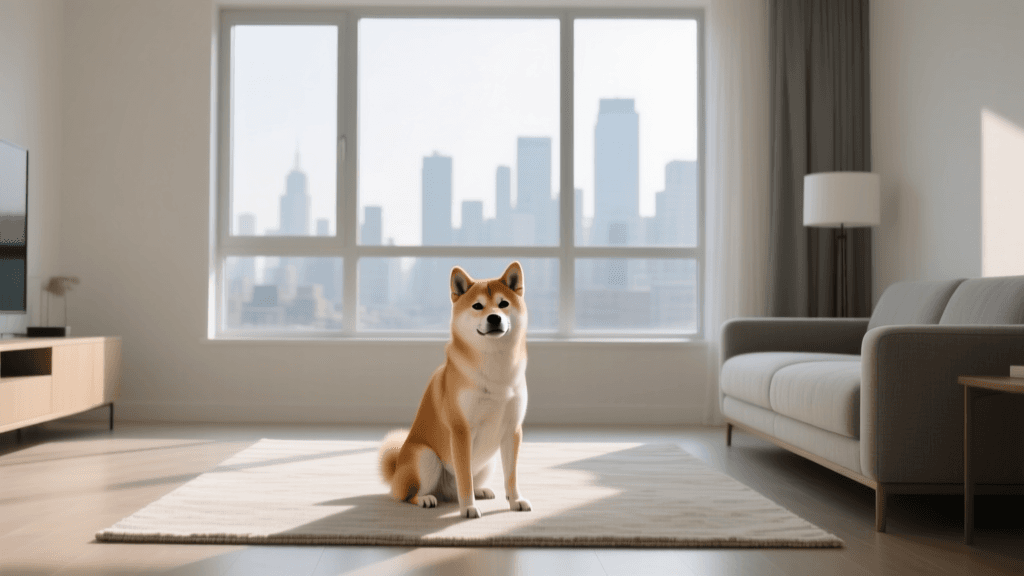
The Shiba Inu approaches the world with a fastidious, cat-like independence. Unlike pack-hunting hounds that vocalize to coordinate with their peers, the Shiba was bred to flush birds and small game in dense Japanese underbrush independently. They are inherently alert but do not suffer from the 'false alarm' barking syndrome common in terriers. A Shiba will typically assess a noise, determine it is not a direct threat, and return to sleep. Their psychological need in an apartment is respect for their physical boundaries and a highly structured, predictable routine. They thrive in quiet environments and will mirror the calm energy of their household.
5. The English Bulldog: The Brachycephalic Lounger
The English Bulldog's quiet demeanor is a mix of historical breeding for tenacity (which has since been bred down to gentle companionship) and anatomical reality. Their brachycephalic (short-nosed) airway structure makes sustained, high-pitched barking physically exhausting. Psychologically, they are deeply affectionate but possess remarkably low stamina and a high threshold for environmental stimulation. An apartment is the perfect habitat for a Bulldog, provided the climate is strictly controlled. In the context of 2026's increasingly erratic urban heatwaves, maintaining an apartment temperature below 72°F (22°C) is critical for their respiratory health and overall psychological comfort.
2026 Apartment Breed Comparison Chart
Understanding the financial and spatial commitments of these breeds is vital for modern urban planning. Below is a comparative analysis of their instincts, vocalization styles, and estimated 2026 monthly care costs (including premium nutrition, pet insurance, and urban enrichment tools).
| Breed | Primary Instinct | Vocalization Style | Space Need | Est. 2026 Monthly Cost |
|---|---|---|---|---|
| Greyhound | Visual pursuit / Sprinting | Rare, low-pitched boof | Low (needs soft bedding) | $160 - $210 |
| Basenji | Stealth flushing / Scenting | Yodels, chortles, no bark | Medium (needs vertical space) | $140 - $190 |
| Cavalier | Empathetic companionship | Soft whines, sighs | Low (needs proximity) | $180 - $250 |
| Shiba Inu | Independent foraging | Occasional 'Shiba scream' | Medium (needs routine) | $150 - $200 |
| English Bulldog | Sedentary guarding / Lounging | Snorts, grunts, snores | Low (needs climate control) | $250 - $350 |
Managing Instincts in High-Rise Environments
Even the quietest breed can develop neurotic behaviors if their environmental needs are not met. Apartment living in 2026 offers advanced tools and behavioral strategies to support your dog's psychological well-being without disturbing your neighbors.
Acoustic Desensitization and Smart Monitoring
Hallway foot traffic, elevator dings, and adjacent plumbing can trigger a dog's territorial alarm system, even in naturally quiet breeds. To combat this, utilize acoustic desensitization. Place a smart white noise machine near the front door to mask transient hallway frequencies. Furthermore, modern AI-driven pet cameras (such as the latest 2026 models of Furbo or Petcube) now feature acoustic analytics that can differentiate between a dog's stress-whining and normal movement, alerting you to intervene via two-way audio before the dog escalates to barking.
Instinctual Enrichment Over Physical Exhaustion
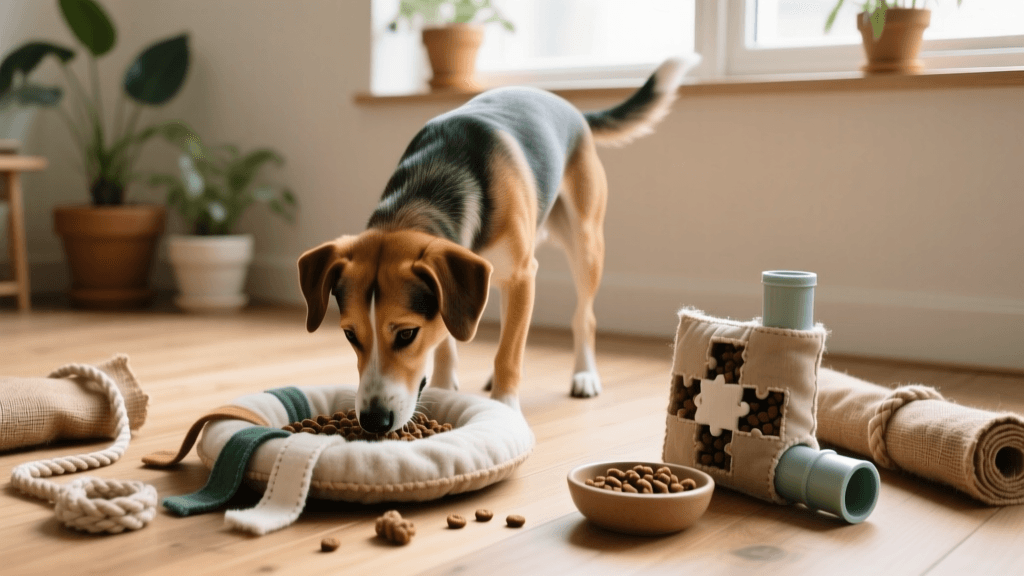
A common mistake apartment dwellers make is trying to physically exhaust their dog with endless walks. However, for breeds like the Greyhound or Basenji, physical exhaustion does not equal mental satisfaction. You must target their specific instincts. For the stealth-hunting Basenji, use automated laser toys or hide-and-seek scent games in the living room. For the empathetic Cavalier, engage in cooperative trick training that builds their confidence and reinforces their bond with you. Twenty minutes of targeted instinctual enrichment tires a dog's brain far more effectively than an hour of aimless pavement walking, resulting in a calmer, quieter dog.
High-Rise Potty Logistics
The psychological stress of holding their bladder while waiting for a slow elevator can cause anxiety-induced vocalization in otherwise quiet dogs. If you live above the fifth floor, integrating an indoor potty solution is highly recommended. Modern hydroponic indoor grass patches, which automatically flush and neutralize odors using UV-C light and enzyme sprays, are a staple in 2026 luxury apartments. Providing a designated indoor relief area removes the anxiety of the 'potty commute,' keeping your dog's nervous system regulated and their vocal cords quiet.
Conclusion
Living in an apartment with a dog does not require sacrificing your security deposit or your relationship with your neighbors. By shifting your perspective from simply 'finding a quiet dog' to 'understanding a dog whose instincts favor silence,' you set the stage for a harmonious urban life. Whether you choose the sprint-and-snooze Greyhound, the stealthy Basenji, or the empathetic Cavalier, honoring their unique psychological blueprint is the ultimate key to a peaceful, happy home in the heart of the city.
hannah-wickes
All our authors care for dogs every day — read more of their work on the authors page.