DIY Puzzle Toys To Satisfy Your Dog's Natural Foraging Instincts
Learn why dogs forage and how to build cheap DIY snuffle mats and puzzle feeders to satisfy their natural instincts, reduce anxiety, and slow eating.
The Psychology of Foraging: Why Dogs Need to Work for Food
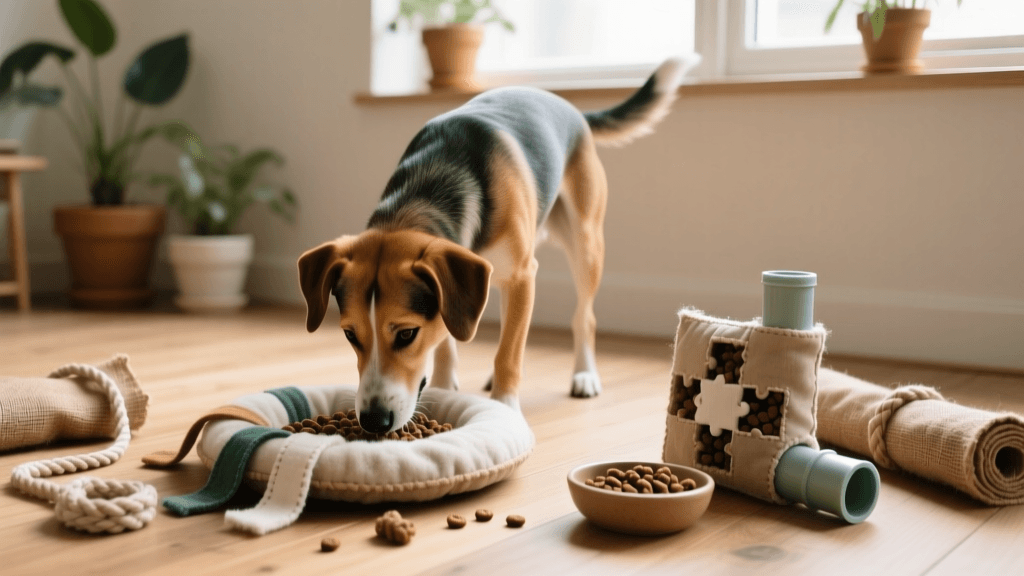
To truly understand your dog, you must look past their domesticated exterior and recognize the ancient instincts that still drive their behavior. In the wild, canines spend up to 80% of their waking hours scavenging, hunting, and foraging for food. They are hardwired to use their noses, paws, and brains to locate and extract meals from the environment. However, the modern domestic dog is typically presented with a bowl of kibble that requires zero effort to consume, often vanishing in under three minutes.
This profound mismatch between a dog's natural foraging instincts and their daily reality is a leading cause of behavioral issues. When dogs are deprived of the opportunity to work for their food, they often redirect that pent-up mental energy into destructive behaviors, excessive barking, or anxiety. By integrating DIY and homemade foraging solutions into your dog's routine, you are not just feeding them; you are fulfilling a deep-seated psychological need. According to the ASPCA, providing mental enrichment through food-based puzzles is one of the most effective ways to alleviate boredom and improve overall canine welfare.
The Science of Canine Enrichment and Dopamine
When a dog successfully sniffs out a hidden treat or extracts kibble from a puzzle toy, their brain releases dopamine. This neurotransmitter is associated with pleasure, reward, and motivation. The act of searching and finding is often more chemically rewarding to a dog's brain than the actual consumption of the food. This is why a dog might ignore a treat handed directly to them but will spend twenty minutes relentlessly working to extract the exact same treat from a homemade puzzle box.
Furthermore, foraging engages the olfactory cortex. A dog's sense of smell is up to 100,000 times more sensitive than a human's. Sniffing lowers a dog's heart rate and has a naturally calming effect. Homemade scent-based enrichment tools, like snuffle mats, capitalize on this biological trait, turning mealtime into a soothing, anxiety-reducing therapy session.
Understanding Your Dog's Frustration Threshold
When introducing DIY puzzle toys, it is crucial to understand your dog's frustration threshold. If a homemade puzzle is too difficult, your dog may experience stress rather than enrichment. Behavioral signs of frustration include excessive pawing, biting the mat or box, whining, or walking away entirely. To prevent this, start with 'easy' setups where the kibble is highly visible and easily accessible. As your dog builds confidence and understands the game, gradually increase the difficulty by burying the food deeper or using smaller boxes within the main foraging box. This concept, known as shaping, ensures your dog remains engaged and experiences the dopamine reward of problem-solving without the cortisol spike of chronic frustration.
DIY Solution 1: The Classic Fleece Snuffle Mat
The snuffle mat is the gold standard of homemade olfactory enrichment. It mimics the experience of foraging for food in tall grass. It is incredibly cheap to make, machine washable, and highly effective for slowing down fast eaters.
Materials and Cost Breakdown
- 1 Rubber Sink Mat: A plastic mat with holes (approx. 12x18 inches). Cost: $5 at most hardware or dollar stores.
- 2 Yards of Anti-Pill Fleece: Choose two or three different colors to create visual contrast. Cost: $8 to $12 at craft stores.
- Scissors: For cutting the fleece.
- Total Estimated Cost: $13 - $17
- Time Required: 45 to 60 minutes
Step-by-Step Instructions
- Cut the Fleece: Cut your fleece fabric into strips that are roughly 1 inch wide and 6 to 7 inches long. You will need approximately 200 to 300 strips depending on the size of your sink mat.
- Attach the Strips: Take one strip of fleece and push one end up through a hole in the rubber mat from the bottom. Pull it through so the ends are even.
- Tie the Knot: Tie the two ends together in a simple overhand knot on the top side of the mat. Pull it tight so the fleece stands up like a blade of grass.
- Repeat and Fill: Continue this process, tying strips into every available hole until the rubber base is completely covered and the mat looks like a shaggy rug.
- Introduce to Your Dog: For the first use, scatter a generous amount of dry kibble or smelly treats on top of the mat so your dog immediately understands that food is present. Over subsequent meals, rub the treats deeper into the fleece base.
DIY Solution 2: The Upcycled Cardboard Foraging Box
If your dog enjoys shredding and destroying things, the cardboard foraging box is an excellent, guilt-free outlet for their natural dismantling instincts. This DIY solution is practically free and provides a different type of tactile and mental stimulation compared to the snuffle mat.
Materials and Cost Breakdown
- 1 Large Cardboard Box: A shipping box or shoebox. Cost: Free (recycled).
- Assorted Cardboard Scraps: Egg cartons, paper towel rolls, small cereal boxes, and crumpled packing paper. Cost: Free.
- Dry Kibble or High-Value Treats: To hide inside the layers.
- Total Estimated Cost: $0
- Time Required: 10 to 15 minutes
- Prepare the Base: Take your large cardboard box and leave the flaps open. Scatter a handful of kibble at the very bottom.
- Layer the Obstacles: Place empty paper towel rolls, small egg cartons, and crumpled balls of plain paper into the box. Sprinkle more kibble between these layers.
- Build the Complexity: Put some treats inside the egg cartons and fold them shut. Place small cereal boxes inside the larger box and scatter food around them. The goal is to create a multi-level scavenger hunt.
- Supervise the Shredding: Present the box to your dog. They will have to sniff, nudge, paw, and eventually shred the cardboard to access all the hidden food rewards.
Step-by-Step Instructions
Commercial vs. DIY Puzzle Toys: A Comparison
While the market is flooded with expensive, hard-plastic puzzle toys designed by pet brands, homemade solutions offer unique advantages that cater specifically to your dog's individual preferences and your budget. Below is a comparison to help you understand the value of DIY enrichment.
| Feature | Commercial Puzzle Toys | DIY Homemade Solutions |
|---|---|---|
| Cost | $15 - $40+ | $0 - $17 |
| Customization | Fixed difficulty levels | Highly adaptable to your dog's skill |
| Durability | High (hard plastics and wood) | Moderate (fleece and cardboard) |
| Scent Retention | Low (plastics absorb odors over time) | High (fabric holds food scents well) |
| Mental Stimulation | High | High |
| Destructive Outlet | None (designed to be indestructible) | High (cardboard satisfies shredding urges) |
As noted by the American Kennel Club (AKC), rotating between different types of enrichment is key to keeping your dog's brain active. Relying solely on one commercial toy can lead to habituation, where the dog figures out the trick and loses interest. DIY toys allow you to constantly change the variables, keeping the novelty—and the mental stimulation—alive.
Safety First: Supervising DIY Enrichment
While homemade toys are fantastic for canine psychology, they require responsible supervision. Never leave a dog unattended with a cardboard foraging box, as ingesting large amounts of wet, chewed cardboard can lead to gastrointestinal blockages. Once your dog has extracted all the food and the box is reduced to large, slobbery pieces, calmly remove the remnants and recycle them.
Similarly, inspect your fleece snuffle mat regularly. If your dog is a heavy chewer and begins to rip the fleece strips off the rubber base, the mat has served its purpose and should be retired or repaired to prevent the ingestion of synthetic fibers. Always ensure that any materials used in your DIY projects are free from toxic glues, staples, or heavy inks.
Conclusion
Understanding your dog means recognizing that they are not just pets; they are intelligent, instinct-driven animals that crave purpose. By taking the time to build simple, cost-effective DIY snuffle mats and foraging boxes, you are speaking directly to their ancestral roots. You are transforming a mundane, three-minute bowl of kibble into a twenty-minute journey of scent, problem-solving, and dopamine-driven joy. Embrace the power of homemade enrichment, and watch as your dog's anxiety melts away, replaced by the deep satisfaction of a hard-earned meal.
priya-sutaria
All our authors care for dogs every day — read more of their work on the authors page.