Best Quiet Apartment Dogs 2026: Breed Psychology & Picks
Discover the psychology behind quiet dog breeds for apartments in 2026. Learn breed instincts, top low-barking picks, and urban living tips.
The Rise of Urban Canine Living in 2026
As urbanization continues to accelerate in 2026, high-density apartment living has become the default for millions of dog owners. While sharing a space with a canine companion offers immense emotional benefits, the proximity of shared walls, narrow hallways, and strict strata noise regulations demand a specific type of pet. Not all dogs are created equal when it comes to vocalization. Understanding the psychology and breed instincts behind why certain dogs remain stoic while others react to every hallway footstep is crucial for maintaining harmony in an apartment complex. This guide explores the behavioral science of low-vocalization breeds and highlights the best quiet dogs for apartment living this year.
The Psychology Behind Canine Vocalization
To understand why some dogs are naturally quiet, we must first examine why dogs bark. Barking is not merely a random noise; it is a complex, multi-layered form of communication. According to the ASPCA, dogs vocalize for several distinct reasons: alert barking, attention-seeking, boredom, anxiety, and breed-specific instinctual vocalization. In an apartment setting, alert barking and anxiety-induced barking are the primary culprits behind noise complaints.
Genetics play a massive role in a dog's baseline arousal level. Breeds developed to guard livestock or alert hunters to distant prey possess a low threshold for vocalization. Their brains are hardwired to perceive environmental changes as events that require a vocal announcement. Conversely, breeds developed for silent stalking, companionship, or independent decision-making possess a higher threshold for barking. Their psychological makeup dictates that energy is conserved, and vocalization is reserved only for extreme circumstances.
Breed Instincts: Why Some Dogs Are Genetically 'Quiet'
The instinct to remain quiet is deeply rooted in the historical jobs these breeds were created to perform. Sighthounds, for example, were bred to chase prey over vast distances using their vision rather than their sense of smell. Barking during a hunt would startle the prey and ruin the chase. As a result, sighthounds have developed a psychological predisposition toward silent observation and energy conservation when not actively running.
Similarly, ancient companion breeds were selected specifically for their ability to sit quietly at the feet of royalty or nomadic tribes. Their psychological reward system is triggered by physical proximity to their owner rather than environmental monitoring. Understanding these ancestral instincts allows modern apartment dwellers in 2026 to select a dog whose natural behavioral baseline aligns perfectly with the constraints of shared-wall living.
Top 5 Low-Vocalization Breeds for 2026 Apartment Living
When selecting a dog for an apartment, it is vital to look beyond size. A small dog can be incredibly vocal, while a large dog might be a silent couch potato. Here are the top five breeds whose psychological profiles make them ideal for quiet apartment life.
1. The Greyhound
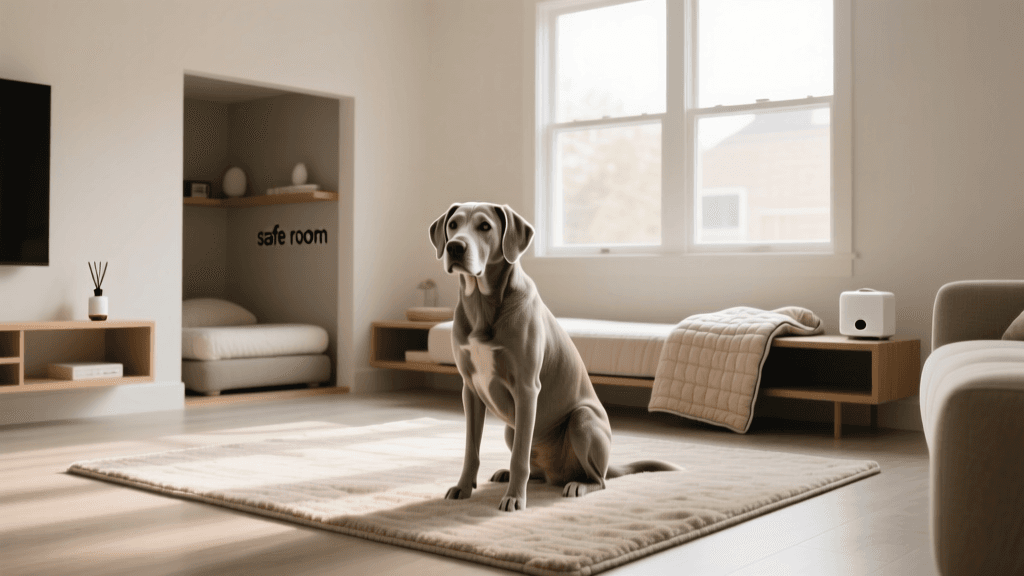
Often misunderstood as high-energy athletes, retired racing Greyhounds are famously known as '45-mph couch potatoes.' Psychologically, they are sprinters, not marathon runners. Once their daily burst of exercise is met, their indoor arousal levels drop to near zero. They are highly observant but rarely feel the need to vocalize their observations, making them exceptional neighbors in high-rise buildings.
2. The Basenji
The Basenji is famous for being the 'barkless dog.' Due to the unique shape of their larynx, they do not produce a traditional bark. Instead, they emit a yodel-like sound known as a 'baroo,' which is generally quiet and infrequent. Originating from Central Africa as silent hunters, their independent, almost feline psychology means they are highly self-entertaining and rarely suffer from the separation anxiety that triggers excessive barking in other breeds.
3. The Cavalier King Charles Spaniel
Bred strictly for companionship, the Cavalier's primary psychological drive is to be near their human. They lack the territorial guarding instincts of terriers or the alert-driven nature of herding breeds. Their gentle, adaptable disposition makes them highly resilient to the strange noises of an apartment building, as their focus remains entirely on their owner rather than the hallway outside.
4. The Shiba Inu
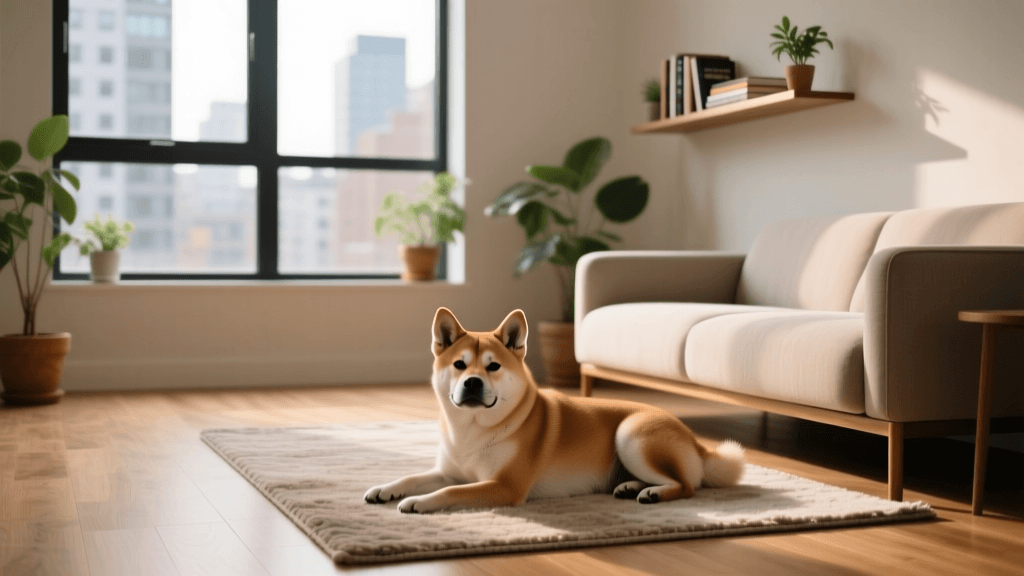
While Shibas can be vocal if provoked or excited (the infamous 'Shiba scream'), their day-to-day baseline is remarkably quiet. As an ancient Asian breed, they possess a cat-like independence and a reserved nature toward strangers. They are highly territorial but tend to monitor their space silently rather than barking incessantly at passing shadows. Proper socialization in puppyhood ensures their natural stoicism remains an asset in an apartment.
5. The Borzoi
The Borzoi is a large, aristocratic sighthound that exudes calm indoors. Like the Greyhound, their psychology is built around short bursts of intense speed followed by long periods of deep rest. They are deeply sensitive and attuned to their owner's emotions but are generally indifferent to the comings and goings of neighbors, resulting in a virtually silent indoor presence.
Apartment Breed Suitability Comparison Chart
| Breed | Average Weight | Daily Exercise Need | Vocalization Level | Apartment Suitability (out of 10) |
|---|---|---|---|---|
| Greyhound | 60-70 lbs | 45 mins (sprint/walk) | Very Low | 9.5 |
| Basenji | 22-24 lbs | 60 mins (mental/physical) | Low (Yodels) | 8.5 |
| Cavalier King Charles | 13-18 lbs | 30-45 mins | Low | 9.0 |
| Shiba Inu | 17-23 lbs | 45-60 mins | Moderate (Situational) | 8.0 |
| Borzoi | 60-105 lbs | 45 mins | Very Low | 9.0 |
Managing Apartment Triggers: Environmental Psychology
Even the quietest breeds can develop barking habits if their environment constantly triggers their stress response. In 2026, modern apartment buildings often feature hard surfaces that amplify sound, and the constant hum of elevators, slamming doors, and muffled conversations can create a state of chronic low-level arousal in dogs. The Humane Society of the United States emphasizes that managing the environment is just as critical as training when addressing canine vocalization.
For apartment dogs, the front door and the windows are the primary trigger zones. Visual access to the street or the ability to hear footsteps approaching the door triggers the 'alert' sequence in the brain. By altering the environment, we can bypass this psychological trigger entirely before the dog feels the need to vocalize.
2026 Apartment Soundproofing and Enrichment Strategies
To support the natural quiet instincts of your chosen breed, implement these actionable, modern strategies tailored for 2026 apartment living:
- Acoustic Window Film and Smart Blinds: If your dog reacts to street-level movement, apply frosted privacy film to the lower half of your windows. Pair this with smart blinds that automatically close during high-traffic hours (like the morning commute or school pick-up times) to remove visual triggers.
- Smart White Noise Integration: Hallway noises are inevitable. Use a smart white noise machine (like the Hatch Restore 3 or similar 2026 models) placed directly near the front door. Set it to a 'brown noise' frequency, which is deeper and more effective at masking the low-frequency thuds of neighboring doors closing and heavy footsteps.
- Decompression Snuffle Mats: Boredom barking occurs when a dog's brain lacks stimulation. Instead of feeding your dog from a bowl, use high-density snuffle mats or frozen lick mats. The act of foraging and licking releases endorphins and lowers cortisol levels, promoting a calm, quiet psychological state.
- Scent-Based Doorway Desensitization: Place a specific scent (like a drop of dog-safe lavender oil on a felt pad) near the door and pair it with high-value treats. Over time, the dog's brain will associate the sounds and smells of the hallway with positive outcomes rather than threats, neutralizing the urge to alert bark.
Conclusion
Living in an apartment in 2026 does not mean you must sacrifice the joy of dog ownership, nor does it require enduring constant noise complaints. By understanding the deep-seated psychological and ancestral instincts that govern canine vocalization, you can select a breed whose natural baseline aligns with urban living. Breeds like the Greyhound, Basenji, and Cavalier King Charles Spaniel offer the perfect blend of companionship and quiet dignity. When paired with modern environmental management and proactive mental enrichment, you and your low-vocalization dog can thrive peacefully in any high-density space.
hannah-wickes
All our authors care for dogs every day — read more of their work on the authors page.