The True Cost of Canine Enrichment and Behavioral Training
Discover the true cost of dog enrichment and behavioral training. Learn how to budget for your dog's psychological needs and breed-specific instincts.

Understanding Your Dog: The Financial Reality of Canine Psychology
When we discuss understanding our dogs, the conversation often revolves around reading body language, recognizing calming signals, and interpreting vocalizations. However, truly understanding your dog goes far beyond passive observation. It requires an active, ongoing investment in their psychological well-being and breed-specific instincts. Many pet owners are caught off guard by the financial commitment required to properly meet these mental and behavioral needs. Failing to budget for canine enrichment and behavioral training does not save money; it simply shifts the costs to unexpected and often much higher expenses down the road.
From the perspective of cost breakdown and planning, addressing your dog's psychological needs is a proactive financial strategy. Dogs that lack mental stimulation and proper behavioral outlets frequently develop destructive habits, separation anxiety, and reactivity. This guide will break down the true costs of behavioral training, breed-specific enrichment, and psychological care, helping you build a sustainable monthly budget that keeps your dog mentally fulfilled and your wallet protected.
The Hidden Costs of Ignoring Canine Psychology
It is a common misconception that a physical walk is enough to tire out a dog. While physical exercise is important, mental fatigue is equally crucial. A 15-minute dedicated 'sniffari' or puzzle-solving session can expend as much energy as a 45-minute brisk walk. When a dog's psychological needs are ignored, the resulting behavioral issues carry a steep financial toll.
According to the ASPCA, common dog behavior issues such as destructive chewing, excessive barking, and house soiling are among the leading reasons pets are surrendered to shelters. The financial fallout of unmanaged behavior includes:
- Property Damage: Replacing destroyed furniture, chewed baseboards, and ruined landscaping can easily cost hundreds or thousands of dollars annually.
- Veterinary Emergencies: Dogs that chew destructively out of boredom or anxiety frequently ingest foreign objects. Surgical removal of intestinal blockages typically ranges from $2,000 to $7,000.
- Liability Costs: Unmanaged reactivity or fear-based aggression can lead to dog bite incidents, resulting in severe legal and medical liabilities.
Investing in your dog's mental health and behavioral training is not a luxury; it is a fundamental aspect of responsible pet ownership that prevents costly emergencies and heartbreak.
Breakdown of Behavioral Training Costs
When you recognize that your dog is struggling with reactivity, anxiety, or basic obedience, professional intervention is often necessary. The cost of dog training varies wildly based on the methodology, the severity of the behavioral issue, and your geographic location. Below is a structured comparison of the most common training avenues to help you plan your budget.
| Training Type | Average Cost | Time Commitment | Best Use Case |
|---|---|---|---|
| Group Obedience Classes | $150 - $300 (6-week course) | 1 hour/week + daily homework | Basic manners, puppy socialization, mild leash pulling. |
| Private In-Home Training | $90 - $175 per hour | 1-2 sessions/week for 4-8 weeks | Specific behavioral issues, mild reactivity, personalized pacing. |
| Board and Train Programs | $2,500 - $6,000+ (2-4 weeks) | Intensive daily immersion | Severe behavioral modification, busy owners, foundational resets. |
| Veterinary Behaviorist | $300 - $600 (Initial Consult) | Ongoing medical management | Severe anxiety, aggression, cases requiring psychotropic medication. |
For severe cases involving aggression or deep-seated fear, consulting a board-certified veterinary behaviorist is the gold standard. As noted by the UC Davis Veterinary Medicine Behavior Service, these specialists combine medical science with behavioral modification, often utilizing medications like trazodone or fluoxetine alongside environmental management plans. Budgeting $500 to $800 for an initial consultation and follow-up care is essential if your dog's psychological distress is rooted in neurochemical imbalances.
Budgeting for Breed-Specific Enrichment
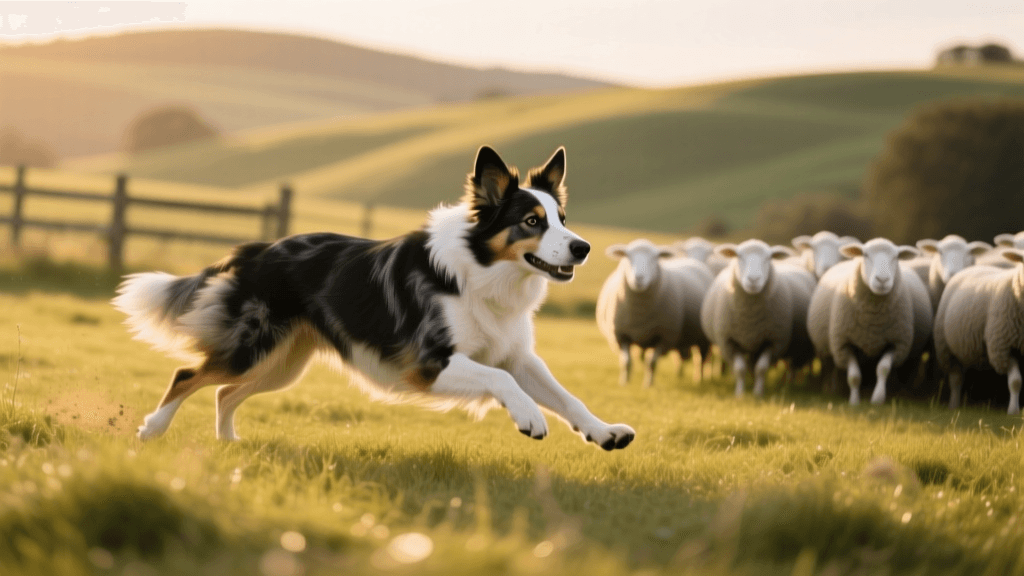
Understanding your dog means understanding their genetic heritage. A Border Collie's instinct to herd and a Beagle's instinct to track are not behaviors that can be trained away; they are psychological imperatives. Budgeting for breed-appropriate enrichment tools allows your dog to express these instincts safely.
Herding and Sporting Breeds
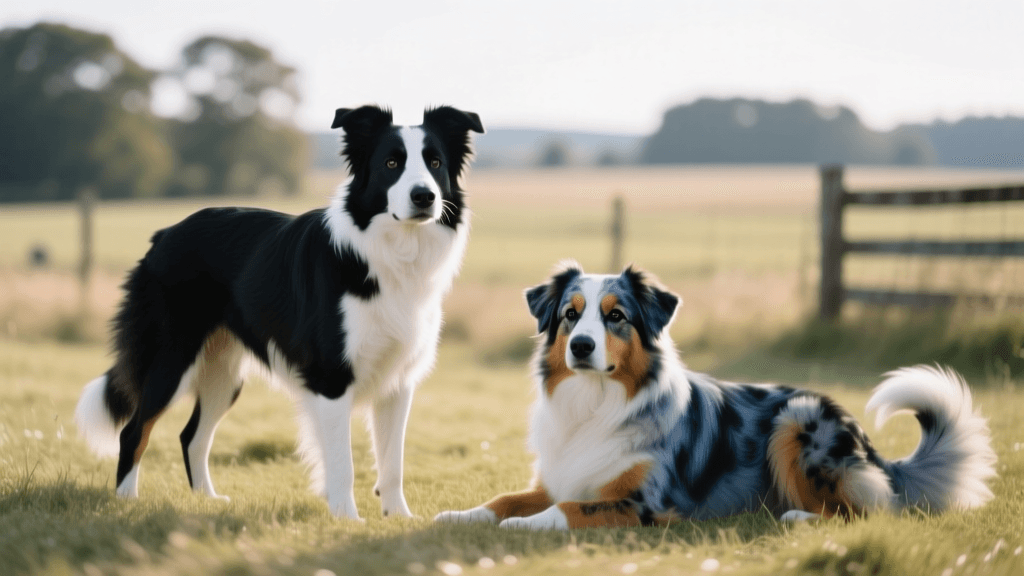
Breeds like Australian Shepherds, Border Collies, and Retrievers require high-intensity physical and mental outlets. Standard tennis balls are often insufficient and can cause dental wear.
- Jolly Mega Ball (40-inch): Costing between $70 and $100, this large, puncture-resistant ball satisfies the herding instinct to push and nose large objects without the dog being able to pick it up and destroy it.
- Flirt Poles (e.g., Squishy Face Studio): Priced around $35 to $50, these tools allow owners to simulate prey-drive chasing in a controlled manner, sparing the owner's back and the dog's joints from repetitive hard landings.
Scent Hounds and Tracking Breeds
Beagles, Bloodhounds, and Coonhounds process the world through their olfactory system. Denying them scent work leads to chronic frustration and escape attempts.
- Snuffle Mats and Foraging Blankets: Ranging from $20 to $45, these fabric mats allow you to hide dry kibble, turning a 2-minute meal into a 20-minute mental workout.
- Scent Work Starter Kits: Priced around $30 to $50, these kits include essential oils (like birch or anise) and training tins, allowing you to set up professional-style nose-work courses in your living room or backyard.
Terriers and Working Breeds
Jack Russell Terriers, Rat Terriers, and Mastiffs possess intense prey drives or powerful chewing instincts. They require durable, interactive puzzles.
- KONG Extreme (Black Rubber): Costing $15 to $25 depending on the size, this is the industry standard for power chewers. Stuffing it with frozen pumpkin puree and low-sodium broth provides long-lasting psychological engagement.
- Nina Ottosson Puzzle Toys (Level 3 or 4): Priced between $25 and $40, these advanced sliding-block puzzles require dogs to solve multi-step physical problems to access high-value treats, heavily taxing their cognitive reserves.
DIY vs. Premium Enrichment: Where to Save and Splurge
Planning a canine enrichment budget does not mean you must buy expensive gadgets every week. A smart financial plan mixes high-quality durable goods with free or low-cost DIY alternatives.
Where to Splurge (Premium Investments):
- Durable Chew Toys and Puzzles: Cheap plastic puzzles will be shattered by a determined working breed within minutes, creating a choking hazard. Invest in heavy-duty rubber and reinforced nylon.
- Decompression Gear: A well-fitted, front-clip harness (like the Rabbitgoo or Ruffwear Front Range, costing $30-$90) and a 15-to-30-foot biothane long line ($40-$60) are non-negotiable for safe, off-leash-style sniffaris in open areas.
Where to Save (DIY Enrichment):
- Cardboard Shredding Boxes: Save your delivery boxes. Place high-value treats inside empty toilet paper rolls, put those inside a larger box, and let your terrier shred it to pieces. Cost: $0.
- Muffin Tin Puzzles: Place treats in a standard muffin tin and cover each cup with a tennis ball. Your dog must figure out how to remove the balls to get the food. Cost: $0 (using existing household items).
- Frozen Broth Blocks: Freeze low-sodium chicken broth with pieces of carrot and blueberries in a silicone ice cube tray for a summer cooling enrichment activity. Cost: Under $5.
Your Monthly Canine Psychology Budget Plan
To ensure you are consistently meeting your dog's mental health needs without straining your finances, establish a dedicated 'Canine Enrichment and Training Fund.' Here is a practical framework for a monthly budget based on your dog's current behavioral baseline.
Tier 1: The Maintenance Budget ($30 - $50 / month)
Best for dogs with no severe behavioral issues who simply need ongoing mental stimulation.
- $20 for rotating puzzle toy treats and high-value training rewards (e.g., freeze-dried liver).
- $15 for replacing worn-out chew items or DIY enrichment supplies.
- $15 saved toward an annual group refresher class or specialized workshop.
Tier 2: The Active Enrichment Budget ($75 - $120 / month)
Best for high-drive breeds, adolescent dogs, or dogs requiring consistent environmental management.
- $40 for premium consumable chews (e.g., bully sticks, yak cheese chews) to satisfy oral fixation needs.
- $30 toward private training sessions or specialized enrichment classes (like agility or scent work).
- $30 for upgrading or replacing physical enrichment gear (flirt poles, new snuffle mats).
Tier 3: The Behavioral Modification Budget ($250+ / month)
Best for dogs currently undergoing active rehabilitation for reactivity, severe anxiety, or fear-based aggression.
- $150 to $200 allocated to weekly or bi-weekly private sessions with a certified behavior consultant or veterinary behaviorist.
- $50 for calming supplements, anxiety wraps (e.g., Thundershirt), or prescribed behavioral medications.
- $50 for specialized management gear, such as basket muzzles (e.g., Baskerville Ultra, $25) and heavy-duty tethering systems for safe decompression.
Conclusion
Understanding your dog's psychology is the first step toward a harmonious relationship, but financially planning for it is what guarantees long-term success. By anticipating the costs of breed-specific enrichment, investing in proactive behavioral training, and setting aside a monthly budget for mental stimulation, you protect your home, your finances, and most importantly, your dog's well-being. A mentally fulfilled dog is a happy dog, and a well-planned budget ensures they never have to compromise on the enrichment they deserve.
priya-sutaria
All our authors care for dogs every day — read more of their work on the authors page.