Low-Impact Training For Dogs With Osteoarthritis: 2026 Guide
Discover 2026 low-impact training techniques for dogs with osteoarthritis. Keep your senior pup mentally sharp with scent work and mat training.
The 2026 Approach to Canine Osteoarthritis and Training
Canine osteoarthritis (OA) is a progressive, degenerative joint disease that affects a significant portion of the aging dog population. As we navigate the veterinary best practices of 2026, the consensus is clear: managing OA requires a multimodal approach that includes weight management, veterinary pain protocols, and crucially, modified cognitive enrichment. Many owners mistakenly believe that a diagnosis of osteoarthritis means the end of training. On the contrary, the American Kennel Club (AKC) notes that keeping a dog's mind engaged is vital for preventing the cognitive decline often seen in senior, less-mobile dogs. However, the type of training must shift dramatically. The goal in 2026 is no longer physical exhaustion, but rather deep mental fatigue achieved through low-impact, joint-friendly exercises.
Why Mental Stimulation Replaces Physical Obedience
Traditional obedience training often relies on repetitive physical movements. Commands like 'sit,' 'down,' and 'come' require dogs to repeatedly fold their joints, bear weight on their hindquarters, or sprint across hard surfaces. For a dog with compromised cartilage and synovial inflammation, these repetitive motions can cause micro-traumas and severe pain flare-ups. According to Texas A&M Veterinary Medicine, minimizing repetitive joint loading is a cornerstone of modern OA management. Therefore, we must pivot from 'brawn' to 'brain.' Mental stimulation burns as much energy as physical exercise, leaving your dog satisfied and tired without degrading their joint health.
Top Low-Impact Training Techniques for Arthritic Dogs
Below are the most effective, veterinarian-approved training methodologies for dogs with osteoarthritis, focusing on cognitive engagement and minimal physical strain.
1. Scent Work and Nosework
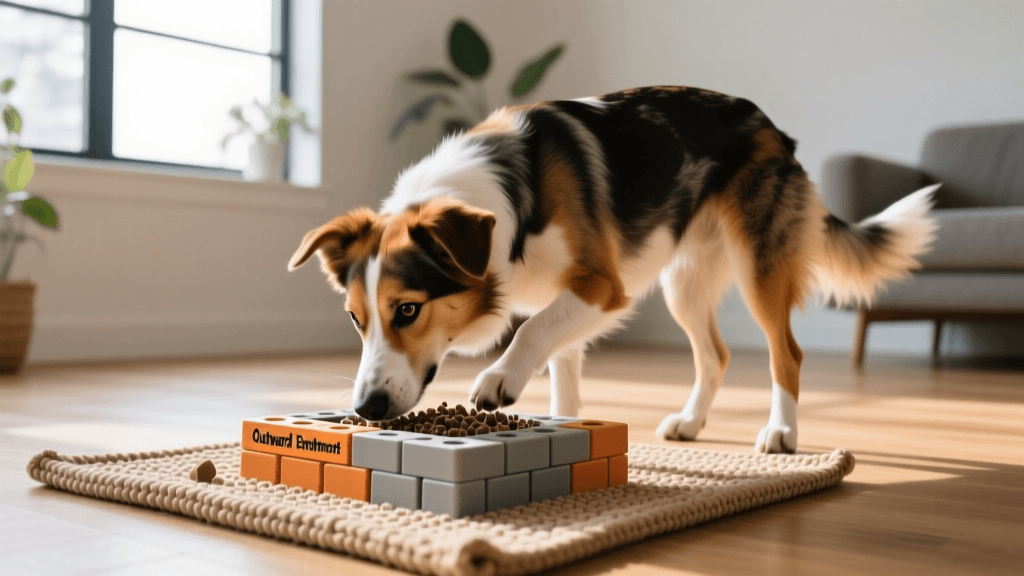
Scent work is arguably the ultimate low-impact training activity. A dog's olfactory system requires immense brain power to process, meaning just 15 minutes of intense sniffing can tire a dog out as much as a mile-long walk. The AKC Scent Work program has seen a massive surge in senior dog participation in 2026 due to its accessibility.
- Step 1: Introduction to the Odor. Start with a safe, dog-friendly essential oil like birch or anise. Place a drop on a cotton swab and hold it in your hand. When your dog sniffs it, click a clicker or use a verbal marker ('Yes!') and reward with a soft, low-calorie treat.
- Step 2: The Box Search. Place the scented cotton swab inside one of three identical cardboard boxes. Encourage your dog to investigate. Reward heavily when they linger on the correct box.
- Step 3: Environmental Hides. Move the scent tin to low-level, easily accessible spots around the room (e.g., on the floor next to a sofa leg). Never place hides where the dog must jump, stretch upward, or navigate slippery stairs to find them.
2. Advanced Mat and 'Place' Training
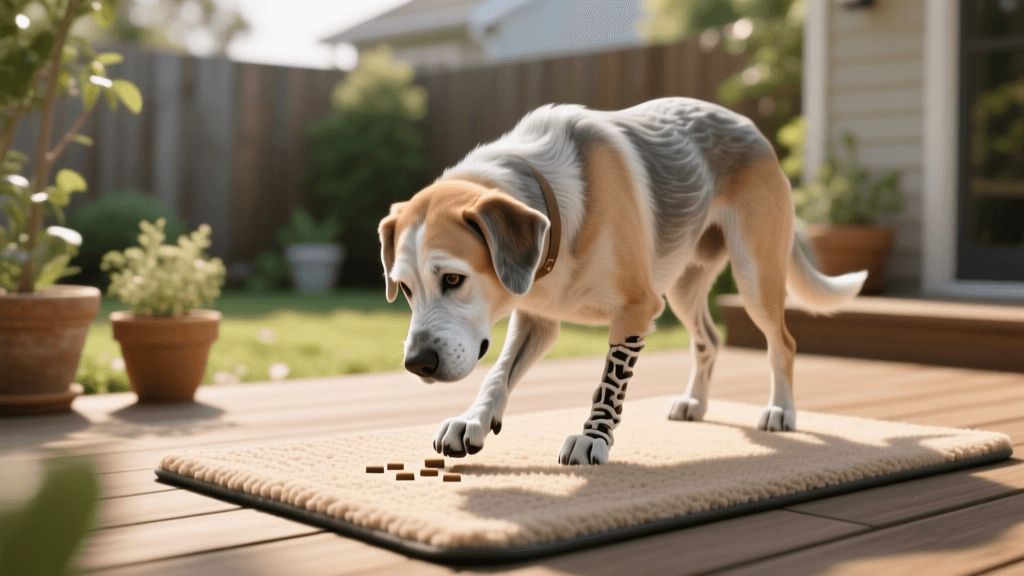
Mat training teaches your dog to go to a specific bed and settle down. For an arthritic dog, this provides a predictable, comfortable sanctuary and prevents them from pacing anxiously on hard floors. Invest in a high-quality, supportive bed, such as a Kuranda Orthopedic Chewproof Bed or a thick memory-foam mat.
- Step 1: Luring to the Mat. With your dog standing near the bed, toss a treat onto the mat. As they step onto it to eat the treat, mark and reward.
- Step 2: Capturing the Down. Wait for your dog to naturally lie down on the mat. The moment their elbows touch the bedding, mark and reward. Do not lure them into a 'down' position with a treat held at their nose, as this can strain the cervical spine and front shoulders.
- Step 3: Duration Building. Gradually increase the time your dog must remain on the mat before receiving a reward. Feed treats directly to their mouth while they are lying down to discourage them from standing up.
3. Target Training (Hand and Wand)
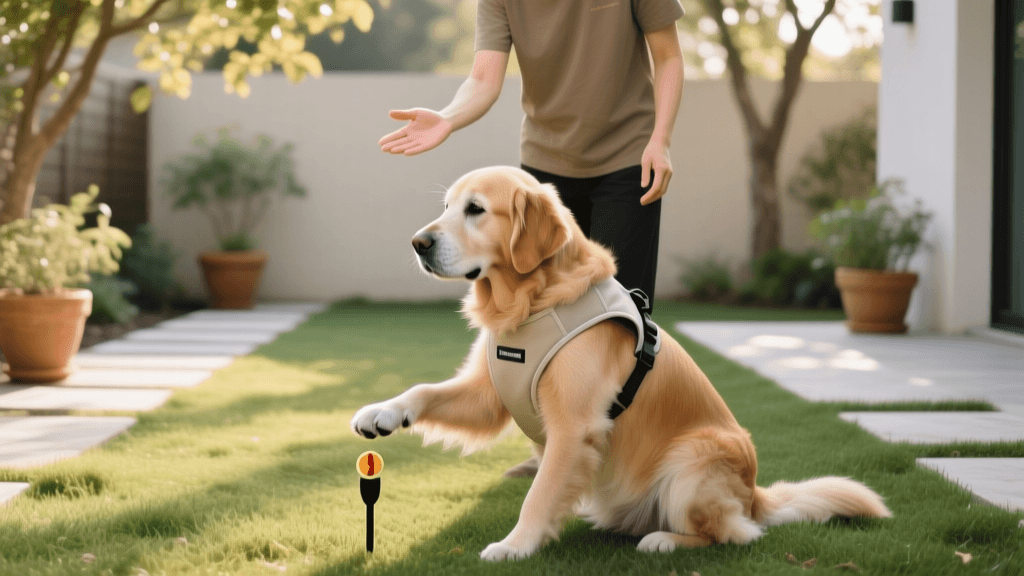
Targeting teaches your dog to touch a specific object with their nose. This is excellent for gentle mobility and guiding your dog in and out of cars or onto ramps without using a collar and leash, which can pull on their neck and spine.
- Hand Targeting: Present your open palm a few inches from your dog's nose. When they sniff or bump it, mark and reward. Slowly increase the distance, encouraging them to take a few gentle steps to reach your hand.
- Wand Targeting: Use a target stick with a ball on the end. This allows you to guide your dog's movement while you remain stationary, reducing the need for you to bend over and minimizing the dog's need to twist their neck.
Comparison Chart: High-Impact vs. Low-Impact Training
| Exercise Goal | Traditional Method (Avoid for OA) | OA-Friendly Alternative (2026 Standard) | Joint Stress Level |
|---|---|---|---|
| Recall (Come) | Sprinting across the yard | Scent-trail recall on carpeted hallway | Low |
| Impulse Control | Sit-stay while owner walks away | Mat-settle while owner drops treats nearby | Minimal |
| Retrieval | Chasing a tennis ball on hardwood | Snufflemat foraging or box scent search | Minimal |
| Agility/Focus | Weaving through poles or jumping | Nose-to-hand targeting for gentle pivots | Low |
Optimizing Your Training Environment and Rewards
Your training environment plays a massive role in the success and safety of your sessions. Slipping on hardwood or tile floors can cause catastrophic injuries to a dog with compromised joints. In 2026, it is highly recommended to conduct all indoor training sessions on interlocking foam gym tiles or thick yoga mats. These provide the necessary traction for your dog to stand and pivot without their legs splaying out.
Additionally, consider the caloric impact of training. Arthritic dogs are generally less active, meaning they burn fewer calories throughout the day. Using high-fat training treats can lead to rapid weight gain, which exacerbates joint pain. Opt for low-calorie, high-value rewards. Frozen blueberries, small pieces of boiled chicken breast, or commercial low-calorie options like Zuke's Mini Naturals (under 3 calories per treat) are excellent choices that keep your dog motivated without packing on the pounds.
Recognizing Pain Signals During Training
Even with low-impact exercises, you must remain vigilant for signs of pain. Dogs are stoic and will often work through discomfort to please their owners or earn a treat. If you notice any of the following signals, end the training session immediately and allow your dog to rest:
- Panting: Sudden, shallow panting when the room is cool and the dog is not physically exerting themselves.
- Lip Licking and Yawning: Frequent, out-of-context lip licking or yawning are classic canine calming signals that indicate stress or physical discomfort.
- Whale Eye: Showing the whites of their eyes, often accompanied by a stiffened posture.
- Reluctance to Shift Weight: If your dog hesitates to shift from a sit to a stand, or seems 'stuck' in a lying position, their joints are likely aching.
- Trembling: Shaking in the hind legs or core muscles when trying to maintain a specific posture.
Conclusion
A diagnosis of canine osteoarthritis does not mean your dog's training days are over; it simply means their training must evolve. By embracing the 2026 standards of low-impact cognitive enrichment, scent work, and environmental management, you can keep your senior dog's mind sharp, their spirits high, and their joints protected. Always consult with your primary veterinarian or a certified veterinary behaviorist to tailor a training and pain-management plan specific to your dog's unique orthopedic needs.
jonas-cole
All our authors care for dogs every day — read more of their work on the authors page.