Advanced Dog Puzzle Feeders & Snuffle Training 2026
Discover the best interactive dog puzzle feeders and snuffle mat training techniques for mental enrichment in 2026. Keep your high-energy dog engaged!
The Shift Toward Cognitive Canine Health in 2026
As we navigate the evolving landscape of dog ownership in 2026, veterinary behaviorists and certified trainers are placing an unprecedented emphasis on mental enrichment over purely physical exhaustion. While a long run at the dog park is excellent for cardiovascular health, it does little to satisfy the deep-seated foraging and problem-solving instincts hardwired into your dog's brain. High-energy working breeds, terriers, and even senior dogs experiencing cognitive decline benefit immensely from structured puzzle games and scent-based training. In fact, animal behaviorists frequently note that fifteen minutes of intense, focused sniffing and puzzle-solving can burn as much mental energy as an hour of brisk walking. This comprehensive guide explores the most effective interactive puzzle feeders dominating the market this year and provides a step-by-step protocol for snuffle mat training to keep your dog's mind sharp, engaged, and happily exhausted.
The Science Behind Canine Cognitive Enrichment
A dog's olfactory system is a marvel of biological engineering. Depending on the breed, a dog possesses anywhere from 125 million to over 300 million olfactory receptors, compared to our mere 5 million. When a dog engages in scent work or forages for hidden kibble, their brain is flooded with dopamine, creating a natural sense of reward and satisfaction. According to the AVMA's dog care guidelines, providing species-appropriate mental stimulation is critical for preventing destructive behaviors, reducing separation anxiety, and mitigating chronic stress. By replacing standard bowl feeding with interactive puzzle games, you transform a mundane daily routine into an engaging cognitive workout that mimics the natural foraging behaviors of their wild ancestors.
Top Interactive Puzzle Feeders Reviewed for 2026
The market for canine enrichment toys has expanded significantly, with manufacturers focusing on durability, adjustable difficulty levels, and non-toxic materials. Below, we review the top three puzzle feeders that have proven their worth in households with voracious, intelligent eaters.
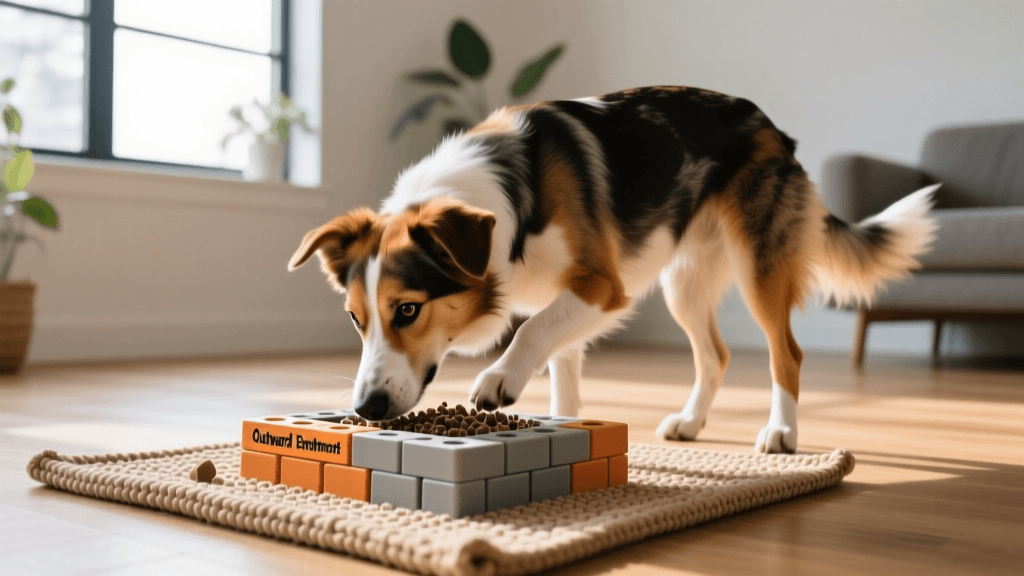
1. Outward Hound Dog Brick Interactive Puzzle
The Outward Hound Dog Brick remains a staple in the enrichment community due to its multi-tiered challenge system. Priced at approximately $16.99 in 2026, this intermediate-level puzzle features three distinct treat-hiding mechanisms: flip lids, sliding compartments, and removable bone-shaped pegs. It is constructed from BPA-free, phthalate-free, and PVC-free materials, ensuring safety during unsupervised chewing attempts. The primary advantage of the Dog Brick is its adjustability; trainers can start with the sliding compartments fully open and gradually introduce the bone pegs as locking mechanisms as the dog's problem-solving skills improve. It is particularly effective for medium-to-large breeds that tend to inhale their meals.
2. Nina Ottosson Dog Smart Composite Puzzle
For beginners or dogs recovering from injury who need low-impact mental stimulation, the Nina Ottosson Dog Smart is an exceptional entry point. Retailing for around $14.99, this Level 1 puzzle utilizes a simple lift-and-find mechanic with nine removable bone-shaped pegs. The latest 2026 composite model features an upgraded anti-slip rubber base, preventing the toy from skidding across hardwood floors during enthusiastic pawing. While it may not challenge a seasoned Border Collie for long, it is the perfect foundational tool for teaching the core concept that "paws and nose manipulate objects to yield food."
3. West Paw Toppl Treat Toy
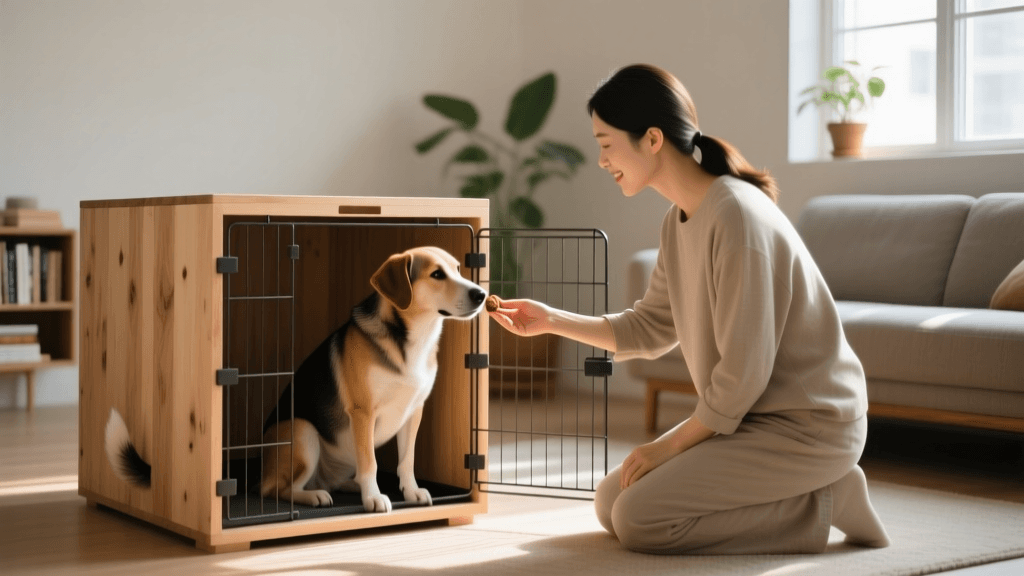
While not a traditional sliding puzzle, the West Paw Toppl (priced at $24.95 for the large size) is an indispensable tool for advanced enrichment through texture and temperature manipulation. Made in the USA from Zogoflex, a highly durable and dishwasher-safe rubber, the Toppl features interior prongs that trap kibble, wet food, or yogurt. The true genius of the Toppl lies in its modularity: you can interlock a small and large Toppl together to create a complex, multi-chambered sphere that requires intense manipulation to extract frozen treats. It is the gold standard for crate training and soothing teething puppies.
2026 Puzzle Feeder Comparison Chart
| Puzzle Feeder Model | 2026 Est. Price | Difficulty Level | Best Suited For |
|---|---|---|---|
| Outward Hound Dog Brick | $16.99 | Intermediate (Level 2) | Fast eaters, intelligent breeds needing multi-step logic. |
| Nina Ottosson Dog Smart | $14.99 | Beginner (Level 1) | Puppies, senior dogs, and puzzle novices. |
| West Paw Toppl (Interlocked) | $40.00+ (Set) | Advanced (Level 3+) | Power chewers, crate training, and frozen enrichment. |
Step-by-Step Snuffle Mat Training Protocol
A snuffle mat is a fabric-based foraging tool that simulates the experience of hunting for food in tall grass. While you can purchase pre-made mats, building your own using a rubber sink mat and strips of polar fleece is a cost-effective 2026 DIY project. However, simply tossing kibble onto the mat and walking away is a recipe for frustration. Proper training is required to teach your dog how to utilize their nose rather than their paws or teeth to dismantle the mat. The AKC's expert training resources heavily advocate for shaping behaviors gradually to build canine confidence.
Phase 1: Surface Scattering (Days 1-3)
Begin by placing the snuffle mat on a non-slip surface in a quiet room. Take your dog's daily kibble ration and scatter it visibly on the very top of the fleece strips. Encourage your dog with a cheerful "find it!" cue. The goal here is simply to build a positive association between the mat and the reward. If your dog attempts to paw at the mat, gently redirect their nose to the kibble.
Phase 2: Shallow Concealment (Days 4-7)
Once your dog reliably eats off the surface, begin pushing the kibble slightly down into the upper layers of the fleece. You want the dog to see you place the food, but require them to part the fabric with their snout to retrieve it. This phase engages the olfactory system more deeply and teaches the mechanical action of "rooting" into the mat.
Phase 3: Deep Foraging and Distraction (Week 2 and Beyond)
For the final phase, bury the kibble deep within the base knots of the mat while your dog is in a sit-stay in another room. Bring them into the room and release them with the "find it" cue. At this stage, the dog must rely entirely on scent tracking. To increase the difficulty, introduce high-value, smelly treats (like freeze-dried liver) mixed with their standard kibble, forcing them to discriminate between scents.
Creating a Weekly Enrichment Rotation
Dogs are highly susceptible to habituation; if you leave the exact same puzzle toy out every day, it quickly becomes part of the furniture and loses its cognitive value. To maintain novelty, implement a structured weekly rotation schedule.
- Monday: Outward Hound Dog Brick (Dry Kibble)
- Tuesday: Snuffle Mat Deep Forage (Mixed Kibble and Freeze-Dried Treats)
- Wednesday: West Paw Toppl (Frozen Plain Greek Yogurt and Blueberries)
- Thursday: Cardboard Box Destruction (Kibble hidden inside nested, taped cardboard boxes)
- Friday: Nina Ottosson Dog Smart (Boiled Chicken Pieces)
- Saturday: Outdoor Scent Trail (Drag a treat bag through the grass and let the dog track it)
- Sunday: Rest Day / Lick Mat (Low-stress, soothing enrichment with peanut butter)
Safety, Hygiene, and Supervision Guidelines
While mental enrichment is overwhelmingly beneficial, it must be executed with safety in mind. According to the ASPCA's comprehensive dog care guidelines, all interactive toys should be inspected regularly for signs of wear, tearing, or missing pieces that could pose a choking or intestinal blockage hazard. Never leave a dog unattended with a puzzle toy that contains small, detachable components like the bone pegs on the Dog Brick until you are absolutely certain they will not attempt to chew and swallow them.
Hygiene is equally critical, especially in 2026 as we see a rise in canine food-borne sensitivities. Puzzle feeders that harbor wet food, raw diets, or saliva can quickly become breeding grounds for harmful bacteria like Salmonella and E. coli. Wash plastic and composite puzzles in the top rack of your dishwasher or with hot, soapy water after every single use. Snuffle mats should be shaken out outdoors to remove debris and washed in a gentle cycle with pet-safe, unscented detergent once a week. By prioritizing cognitive health, maintaining strict hygiene, and rotating your enrichment tools, you will foster a calmer, happier, and more intellectually fulfilled canine companion.
priya-sutaria
All our authors care for dogs every day — read more of their work on the authors page.