Canine Osteoarthritis Treatment 2026: Librela & Home Care
Discover the best canine osteoarthritis treatments in 2026. Learn how Librela injections, orthopedic beds, and ramps improve your senior dog's mobility.
The New Era of Canine Osteoarthritis Management in 2026
Sharing your life with a senior dog is one of the most rewarding experiences a pet owner can have, but it often comes with the heartbreak of watching them struggle with mobility issues. Canine osteoarthritis (OA) is a degenerative joint disease that affects an estimated 80% of dogs over the age of eight. In the past, managing this condition relied heavily on daily non-steroidal anti-inflammatory drugs (NSAIDs) and generalized weight management. However, the veterinary landscape in 2026 has shifted dramatically toward targeted biologic therapies and specialized home environmental modifications.
According to VCA Animal Hospitals, osteoarthritis in dogs is a progressive condition characterized by the deterioration of joint cartilage, leading to chronic pain, inflammation, and reduced range of motion. While we cannot reverse the structural damage to the joints, the 2026 standard of care focuses on aggressively targeting pain pathways and optimizing the dog's immediate living environment to preserve their quality of life. This comprehensive guide explores the modern integration of monoclonal antibody treatments, specifically Librela, alongside essential home setups like orthopedic bedding and mobility ramps.
Librela (Bedinvetmab): The Monoclonal Antibody Revolution
The most significant breakthrough in recent years for canine OA treatment is the widespread adoption of anti-Nerve Growth Factor (anti-NGF) monoclonal antibodies. Librela (bedinvetmab) has become a cornerstone of 2026 veterinary pain management protocols. Unlike traditional NSAIDs, which work by reducing inflammation in the joint and can sometimes cause gastrointestinal or renal side effects with long-term use, Librela targets the NGF protein directly. NGF is a key signaling molecule that amplifies pain messages sent from damaged joints to the brain.
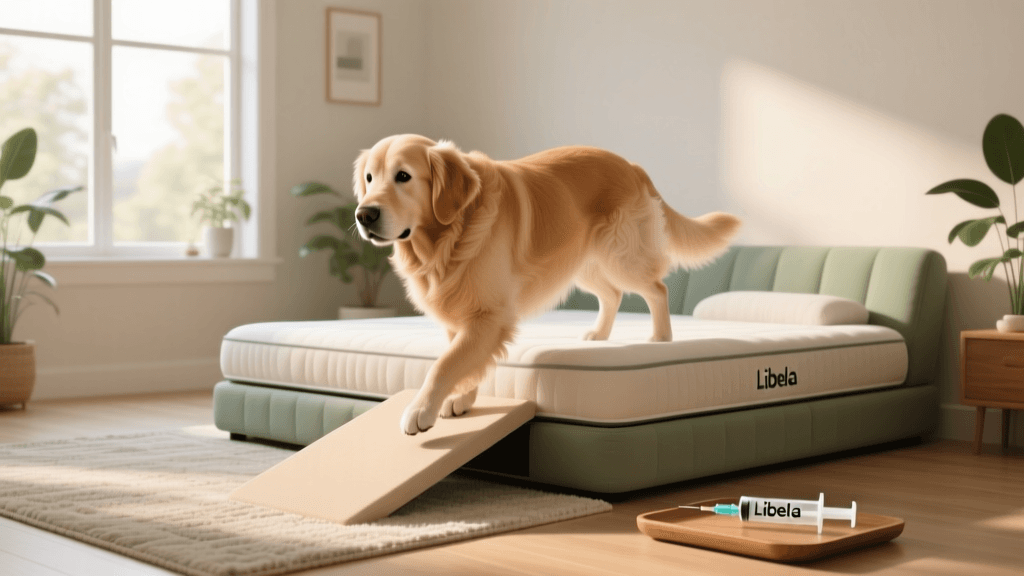
By neutralizing NGF, Librela effectively 'turns down the volume' on chronic pain without interfering with the body's natural inflammatory healing processes or taxing the liver and kidneys. Administered as a simple monthly subcutaneous injection by your veterinarian, it eliminates the stress of pilling your dog daily. In 2026, the cost of Librela typically ranges from $90 to $160 per month, depending on your dog's weight tier and regional veterinary pricing. For many owners, the investment is easily justified by the profound improvement in their dog's willingness to walk, play, and climb stairs.
Optimizing Your Home Environment: Ramps and Bedding
Medical management is only half the battle; the other half is modifying your home to accommodate your dog's new physical limitations. Jumping on and off furniture or navigating slippery floors can cause micro-traumas to compromised joints, accelerating cartilage degradation and causing acute pain flare-ups.
Strategic Ramp Placement and Training
Investing in a high-quality, high-traction ramp is non-negotiable for arthritic dogs that still want to join you on the couch or in the car. The PetSafe Solvit Half Ramp II remains a top choice in 2026 due to its lightweight aluminum frame and high-traction grit surface, which costs approximately $85. For larger breeds or higher SUVs, the WeatherTech PetRamp offers a wider, more stable bi-fold design (around $140) that folds flat for easy storage.
Training your dog to use a ramp requires patience. Never force or drag your dog up the incline. Instead, lay the ramp flat on the ground first and use high-value, low-calorie treats (like Zuke's Mini Naturals) to lure them across it. Once they are comfortable walking on the flat surface, gradually introduce the incline over several weeks. Always use a secure harness with a dorsal handle so you can spot them and prevent falls while they are learning.
Therapeutic Orthopedic Bedding
Standard dog beds flatten out quickly, leaving your dog's heavy joints resting directly on the hard floor. In 2026, therapeutic foam beds are the gold standard. The Big Barker 7-inch Orthopedic Dog Bed (priced between $250 and $320) is engineered specifically for large breeds and uses a three-stage foam system that prevents the bed from pancaking over time. The open-cell structure of the foam allows for air circulation, keeping the bed cool while providing firm, supportive pressure relief for dysplastic hips and arthritic elbows. If your dog suffers from cervical spondylosis (neck arthritis), opt for a bolstered version to support their head and neck alignment during sleep.
Dietary Interventions and Joint Supplements
Weight management is the single most effective lifestyle modification for arthritic dogs. The American Kennel Club emphasizes that keeping an arthritic dog lean—where the ribs are easily palpable and there is a distinct abdominal tuck—significantly reduces the mechanical load on weight-bearing joints. In 2026, veterinary nutritionists frequently recommend prescription joint-support diets, such as Hill's Prescription Diet j/d or Royal Canin Veterinary Diet Mobility Support, which are clinically proven to improve mobility.
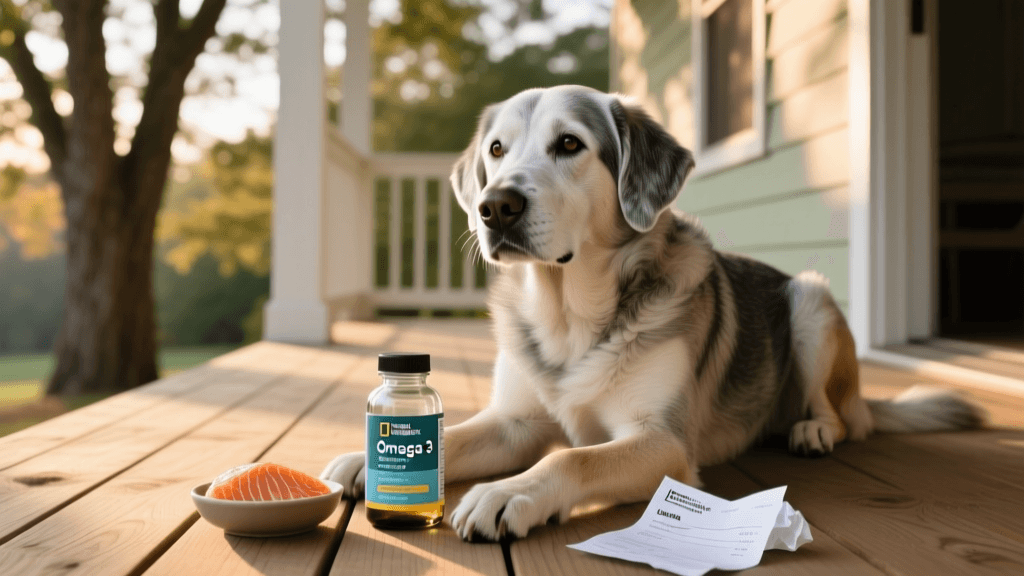
If you are feeding a standard diet, targeted supplementation is vital. Look for supplements containing a high concentration of EPA and DHA (Omega-3 fatty acids derived from wild-caught fish oil or green-lipped mussels), which naturally combat joint inflammation. Dasuquin Advanced with ESM soft chews (approximately $75 for a 60-count) remain a premier recommendation among veterinary orthopedic specialists in 2026, combining ASU (avocado/soybean unsaponifiables), glucosamine, chondroitin, and eggshell membrane to support cartilage matrix integrity.
2026 OA Treatment Comparison Chart
To help you discuss options with your veterinarian, here is a comparison of the primary osteoarthritis treatments utilized in modern canine care:
| Treatment Modality | Mechanism of Action | 2026 Est. Monthly Cost | Administration | Best For |
|---|---|---|---|---|
| Librela (Bedinvetmab) | Anti-NGF monoclonal antibody; blocks pain signaling | $90 - $160 | Monthly Vet Injection | Dogs with GI/Kidney issues precluding NSAIDs; chronic moderate-to-severe pain |
| Carprofen / Meloxicam | NSAID; reduces joint inflammation and pain | $40 - $90 | Daily Oral Pill / Liquid | Acute flare-ups; dogs with healthy liver and kidney function |
| Adequan Canine | Polysulfated Glycosaminoglycan (PSGAG); inhibits cartilage degradation | $60 - $110 (Varies by loading phase) | Series of IM Injections | Early-stage OA; slowing disease progression |
| Omega-3 / ASU Supplements | Nutritional support; mild anti-inflammatory and matrix support | $30 - $75 | Daily Oral Chew / Pump | All dogs as a baseline supportive therapy alongside medical management |
Crafting a Low-Impact Daily Routine
Living with an arthritic dog in 2026 means redefining what 'exercise' looks like. The goal is to maintain muscle mass—which acts as a crucial shock absorber for the joints—without causing repetitive impact trauma. Replace long, brisk walks on hard pavement with multiple short, 10-to-15-minute 'sniffaris' on soft grass or dirt trails. Mental enrichment burns just as many calories and provides deep psychological satisfaction for your dog.
Incorporate daily lick mats, frozen Kongs, and puzzle feeders to keep their minds sharp when their bodies need rest. Additionally, consider integrating canine hydrotherapy into your routine. The buoyancy of warm water allows dogs to build cardiovascular endurance and muscle strength with zero concussive force on their joints. Many modern veterinary rehabilitation centers now feature underwater treadmills with adjustable resistance and water height, tailored specifically to senior canine patients.
Conclusion: Embracing the Golden Years
A canine osteoarthritis diagnosis is no longer a sentence to a sedentary, painful life. By combining the targeted pain relief of modern biologics like Librela with thoughtful home modifications—such as high-traction ramps and therapeutic orthopedic beds—you can drastically improve your dog's daily comfort. Work closely with your veterinarian to tailor a multimodal pain management plan, keep your dog at a healthy weight, and embrace the slower, more intentional pace of life with your senior companion. The extra care you provide today ensures that their golden years are truly golden.
priya-sutaria
All our authors care for dogs every day — read more of their work on the authors page.