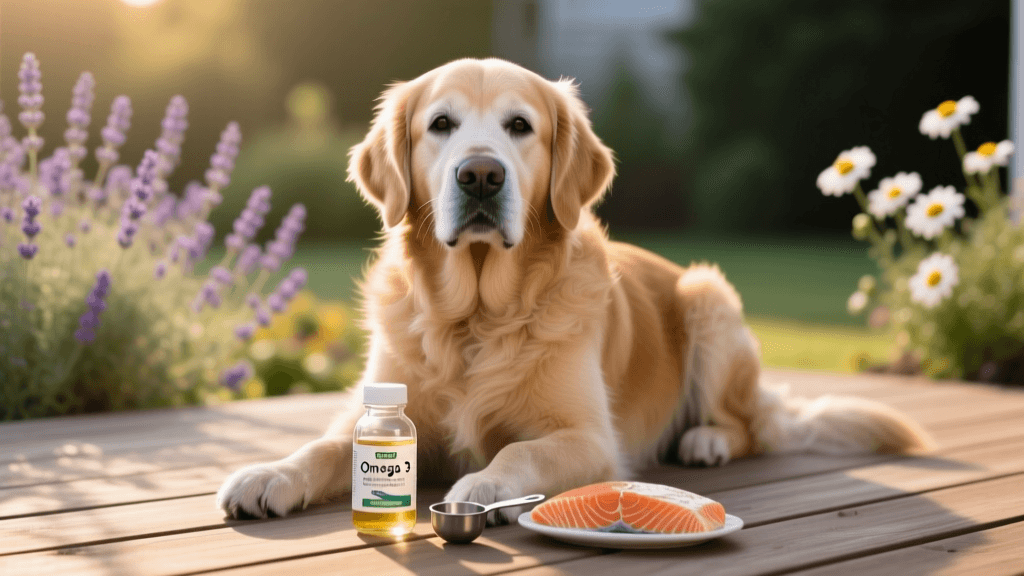
Adding Omega-3 to Your Senior Dog's Diet in 2026: Benefits & Dosing
Discover how to safely add Omega-3 fish oil to your senior dog's daily routine in 2026 to boost joint mobility, coat health, and cognitive function.
The Golden Years: Why Senior Dogs Need Omega-3s
As our canine companions enter their senior years, their nutritional requirements shift dramatically. In 2026, veterinary nutritionists are placing an unprecedented emphasis on proactive cellular health, and at the center of this movement is the strategic use of Omega-3 fatty acids. While a balanced commercial dog food provides a baseline of essential nutrients, the natural aging process brings about increased systemic inflammation, cognitive decline, and joint degradation. According to the VCA Animal Hospitals, supplementing with targeted Omega-3s can significantly mitigate these age-related issues, offering a non-pharmaceutical approach to maintaining your senior dog's quality of life.
Integrating Omega-3s into your daily routine with your aging dog is not just about pouring oil over kibble; it requires an understanding of sourcing, proper dosing, and oxidation prevention. This comprehensive guide will walk you through the practical aspects of sharing your life with a senior dog and how to seamlessly incorporate this vital supplement into their everyday care regimen.
Decoding the Fatty Acids: EPA vs. DHA
When you read the back of a fish oil bottle, you will see two primary active ingredients: Eicosapentaenoic acid (EPA) and Docosahexaenoic acid (DHA). While both are crucial, they serve distinctly different roles in your senior dog's body.
- EPA (Eicosapentaenoic Acid): This is the primary anti-inflammatory powerhouse. For senior dogs suffering from osteoarthritis, hip dysplasia, or general joint stiffness, EPA is the most critical fatty acid. It works at the cellular level to inhibit the enzymes that cause cartilage breakdown and joint pain.
- DHA (Docosahexaenoic Acid): DHA is highly concentrated in the brain and retina. In aging dogs, DHA is essential for combating Canine Cognitive Dysfunction (CCD), commonly known as doggy dementia. It supports neural transmission and helps maintain visual acuity as the eyes age.
The American Kennel Club notes that while plant-based sources like flaxseed contain Alpha-linolenic acid (ALA), dogs lack the efficient enzymatic pathways to convert ALA into usable EPA and DHA. Therefore, marine-based or algal-based sources are strictly required for therapeutic benefits in senior dogs.
Choosing the Right Omega-3 Source in 2026
The pet supplement market has evolved significantly. In 2026, the gold standard for canine Omega-3s revolves around bioavailability, sustainability, and third-party heavy metal testing. Here is how the top sources compare for senior dog care.
| Source Type | Fatty Acid Form | Best For | Pros & Cons |
|---|---|---|---|
| Wild-Caught Fish Oil (Triglyceride Form) | High EPA/DHA | Severe joint inflammation & coat health | Pros: Highly bioavailable, cost-effective. Cons: Requires strict refrigeration, strong odor. |
| Krill Oil | Phospholipid Form | Dogs with sensitive stomachs or fat malabsorption | Pros: Contains astaxanthin (antioxidant), absorbs rapidly. Cons: More expensive, lower total EPA/DHA per pump. |
| Algal Oil | Triglyceride Form | Dogs with fish allergies or eco-conscious owners | Pros: Vegan, zero heavy metal risk, sustainable. Cons: Typically higher in DHA than EPA. |
For the average senior dog dealing with age-related stiffness, a high-quality, triglyceride-form wild-caught fish oil (sourced from small, cold-water fish like sardines, anchovies, or mackerel) remains the most practical and effective choice for daily life.
The 2026 Dosing Guide: How Much is Enough?
One of the most common mistakes pet owners make is under-dosing. The amount of Omega-3 required to simply maintain a healthy coat is vastly different from the therapeutic dose required to manage osteoarthritis in a senior dog. Veterinary guidelines suggest a therapeutic dose ranging from 75 to 370 mg of combined EPA and DHA per kilogram of your dog's metabolic body weight, depending on the severity of their condition.
Below is a practical, weight-based dosing chart for senior dogs requiring joint and cognitive support. Always consult your veterinarian before starting a new supplement regimen, especially if your dog is on prescription medications.
| Dog Weight (lbs) | Dog Weight (kg) | Maintenance Dose (EPA+DHA) | Therapeutic Joint Dose (EPA+DHA) |
|---|---|---|---|
| 10 - 20 lbs | 4.5 - 9 kg | 250 - 400 mg | 800 - 1,200 mg |
| 21 - 40 lbs | 9.5 - 18 kg | 400 - 700 mg | 1,200 - 2,000 mg |
| 41 - 60 lbs | 18.5 - 27 kg | 700 - 1,000 mg | 2,000 - 2,800 mg |
| 61 - 80 lbs | 27.5 - 36 kg | 1,000 - 1,300 mg | 2,800 - 3,500 mg |
| 81 - 100+ lbs | 36.5 - 45+ kg | 1,300 - 1,600 mg | 3,500 - 4,500+ mg |
Crucial Label Reading Tip: Do not look at the 'Total Fish Oil' number on the front of the bottle. Turn the bottle around and look at the nutritional panel to find the exact milligram count of EPA and DHA per pump or capsule. In 2026, premium brands clearly highlight the combined EPA/DHA yield per serving.
Building a Daily Supplement Routine
Sharing your life with a senior dog means adapting to their changing habits, including potential pickiness or dental issues that make chewing capsules difficult. Here are the most effective, mess-free ways to integrate Omega-3s into your daily routine.
1. The Airless Pump Method
Liquid fish oil in traditional bottles is prone to oxidation every time the cap is opened, exposing the lipids to oxygen and light. In 2026, top-tier brands utilize airless vacuum pump bottles. These pumps prevent air from entering the reservoir, keeping the oil fresh until the very last drop. Simply pump the prescribed dose directly over your dog's slightly warmed (not hot) wet food or kibble. Warming the food slightly releases aromatic compounds, masking the fishy scent that some senior dogs, who may have diminished olfactory senses, might find off-putting.
2. The Frozen Lick Mat Trick
If your senior dog is a notoriously picky eater or refuses food with oil mixed in, use a silicone lick mat. Spread a small amount of plain, dog-safe Greek yogurt or pumpkin puree on the mat, and then pump the daily dose of Omega-3 oil over the top. Freeze it for 30 minutes. The cold temperature solidifies the oil and numbs the fishy flavor, turning the supplement into an enriching, soothing activity that also promotes salivary enzymes and mental stimulation.
3. Capsule Hiding Techniques
If you prefer odorless soft-gel capsules, avoid using high-fat treats like peanut butter or cheese to hide them, as this can push your senior dog's daily fat intake too high, risking gastrointestinal upset. Instead, use a low-calorie, high-value pill pocket or wrap the capsule in a small piece of boiled, skinless chicken breast or low-sodium deli turkey.
Storage, Oxidation, and the 'Sniff Test'
Omega-3 fatty acids are highly unstable and prone to lipid oxidation (rancidity). Feeding rancid fish oil to your dog is counterproductive; it introduces free radicals into their system, which actually increases inflammation and cellular damage.
- Refrigeration is Mandatory: Once opened, liquid fish oil must be stored in the refrigerator. The cold temperature drastically slows the oxidation process.
- The Sniff Test: Fresh fish oil should smell mildly of the ocean or like fresh seaweed. If the oil smells sharply sour, intensely rotten, or like old paint, it has oxidized and must be thrown away immediately.
- Vitamin E Synergy: Because processing Omega-3s in the body depletes Vitamin E reserves, ensure your dog's base diet is rich in Vitamin E, or choose a fish oil supplement that includes mixed tocopherols (Vitamin E) as a natural preservative and antioxidant.
Safety, Side Effects, and Veterinary Oversight
While Omega-3s are overwhelmingly safe and beneficial, they are not without potential side effects, particularly in senior dogs with complex medical histories. High doses of fish oil can act as a mild blood thinner. If your senior dog is scheduled for a dental extraction or any surgical procedure, your veterinarian will likely advise you to stop the Omega-3 supplement one to two weeks prior to the operation to prevent excessive bleeding.
Additionally, because fish oil is a fat, sudden introduction of high doses can lead to steatorrhea (fatty stools), diarrhea, or in rare cases, trigger a bout of pancreatitis in dogs with a history of pancreatic sensitivity. Always start with a quarter of the target dose and gradually increase it over two to three weeks to allow your dog's digestive system to adapt.
Conclusion
Life with a senior dog is a privilege, and managing their comfort is one of the most rewarding aspects of pet ownership. By understanding the distinct roles of EPA and DHA, selecting a high-quality, third-party tested marine or algal oil, and employing smart storage and feeding routines, you can harness the power of Omega-3s to keep your aging companion mobile, sharp, and happy well into their golden years.
anouk-beaumont
All our authors care for dogs every day — read more of their work on the authors page.