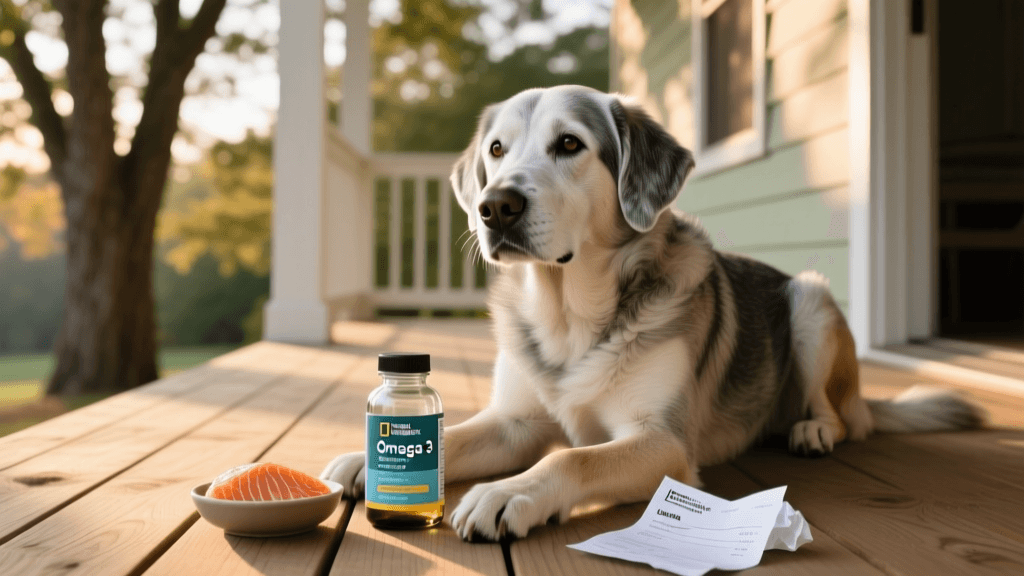
Daily Omega-3 Routine for Senior Dogs in 2026: Dosing & Top Picks
Discover the best daily Omega-3 routines for senior dogs in 2026. Learn EPA vs ALA dosing, top marine oil picks, and how to boost joint health.
Life With a Senior Dog: The Mobility Challenge in 2026
Sharing your home with an aging dog is one of the most rewarding experiences in pet ownership, but it also brings a unique set of daily management challenges. As our canine companions enter their senior years, maintaining joint health, reducing systemic inflammation, and supporting cognitive function become top priorities. In 2026, the veterinary consensus is clearer than ever: integrating high-quality Omega-3 fatty acids into your dog's daily routine is one of the most effective, non-pharmaceutical ways to support their mobility and overall vitality.
However, simply buying a generic bottle of fish oil and squirting it over your dog's kibble is no longer considered best practice. Modern canine nutrition requires a strategic approach to sourcing, dosing, and storage. This guide will walk you through the exact daily routine, dosing mathematics, and product formats you need to optimize your senior dog's health this year.
The Science of Omega-3: Why EPA and DHA Outperform ALA
Before building your daily routine, it is crucial to understand the biochemistry of Omega-3s. There are three primary types of Omega-3 fatty acids: ALA (alpha-linolenic acid), EPA (eicosapentaenoic acid), and DHA (docosahexaenoic acid). ALA is found in plant sources like flaxseed and chia seeds. EPA and DHA are found almost exclusively in marine sources like cold-water fish, krill, and algae.
According to nutrition experts at the Tufts Cummings School of Veterinary Medicine, dogs lack the specific enzymes required to efficiently convert plant-based ALA into the biologically active EPA and DHA. Therefore, feeding your senior dog flaxseed oil will not provide the targeted joint and brain support they need. For therapeutic benefits—specifically managing osteoarthritis and cognitive decline—you must source EPA and DHA directly from marine oils or whole marine prey.
Sourcing Marine Oils: 2026 Sustainability and Purity Standards
The pet supplement market has evolved significantly. In 2026, responsible dog owners and veterinarians prioritize marine oils that are third-party tested for heavy metals, PCBs, and dioxins. Overfishing and ocean pollution make transparency non-negotiable. When selecting an Omega-3 source for your daily routine, look for certifications from organizations like the Marine Stewardship Council (MSC) or Friend of the Sea.
The American Kennel Club (AKC) frequently highlights the importance of choosing oils derived from small, short-lived fish (like sardines, anchovies, and mackerel) or sustainably harvested Antarctic krill, as these species accumulate significantly fewer environmental toxins than larger predatory fish like salmon or tuna.
Comparison Chart: Top Omega-3 Sources for Canine Joints
| Omega-3 Source | EPA/DHA Concentration | Bioavailability | Best For |
|---|---|---|---|
| Wild Alaskan Salmon Oil | Moderate to High | High (Triglyceride form) | Daily maintenance, skin/coat health, picky eaters |
| Antarctic Krill Oil | Moderate | Very High (Phospholipid form) | Senior dogs with severe joint stiffness, cognitive support |
| Green-Lipped Mussel | High (plus ETA) | High (Whole food matrix) | Active seniors needing comprehensive joint/cartilage support |
| Small Fish Oil (Sardine/Anchovy) | Very High | High (Triglyceride form) | Targeted therapeutic dosing for acute inflammation |
Calculating the Correct Daily Dose for Your Dog
Dosing Omega-3 is not a one-size-fits-all scenario. The World Small Animal Veterinary Association (WSAVA) and leading veterinary nutritionists recommend dosing based on your dog's metabolic body weight and specific health goals. For general health maintenance, a lower dose is sufficient. However, for senior dogs actively battling osteoarthritis or chronic inflammation, a therapeutic dose is required.
The general veterinary therapeutic recommendation for joint support is between 50 mg to 100 mg of combined EPA and DHA per kilogram of your dog's body weight. It is vital to read the supplement label carefully; you are looking for the exact milligram count of EPA and DHA, not just the total amount of 'fish oil' in the capsule or pump.
Dosing Examples for Senior Dogs (Therapeutic Joint Support)
- Small Senior Dog (10 kg / 22 lbs): Requires 500 mg to 1,000 mg of combined EPA/DHA daily.
- Medium Senior Dog (20 kg / 44 lbs): Requires 1,000 mg to 2,000 mg of combined EPA/DHA daily.
- Large Senior Dog (35 kg / 77 lbs): Requires 1,750 mg to 3,500 mg of combined EPA/DHA daily.
Note: Always consult your primary veterinarian before initiating therapeutic doses, especially if your dog is on prescription NSAIDs or blood thinners, as high-dose Omega-3s can have a mild blood-thinning effect.
Building Your Daily Administration Routine
Consistency is the cornerstone of Omega-3 therapy. The anti-inflammatory benefits of EPA and DHA accumulate in the cell membranes over time. Here is a step-by-step daily routine to seamlessly integrate this supplement into your senior dog's life:
- The Transition Phase (Days 1-7): Never start with the full therapeutic dose. High fat loads can trigger gastrointestinal upset or pancreatitis in sensitive senior dogs. Start with 25% of the target dose and gradually increase it over a week.
- Meal Pairing: Omega-3s are fat-soluble. They must be administered alongside a meal containing dietary fat for optimal absorption. If you feed a low-fat senior kibble, consider adding a small spoonful of plain, unsweetened pumpkin or a sardine topper to aid absorption.
- The Pump Method: For liquid oils, use a calibrated pump bottle. This eliminates the mess of squeeze bottles, prevents over-pouring, and limits the oil's exposure to oxygen, which causes rancidity.
- Capsule Piercing: If your dog refuses the taste of liquid oil, purchase softgel capsules. Use a clean pin to pierce the capsule and squeeze the oil directly onto a high-value treat, like a piece of freeze-dried liver, masking the fishy flavor entirely.
Storage Protocols: Preventing Oxidation and Rancidity
The single biggest mistake dog owners make with Omega-3 supplements is improper storage. Polyunsaturated fatty acids are highly unstable and prone to oxidation. When fish oil oxidizes, it not only loses its anti-inflammatory properties but actually becomes pro-inflammatory, generating free radicals that can harm your senior dog's cellular health.
To maintain the integrity of your Omega-3 oils in 2026, follow these strict storage protocols:
- Refrigerate Immediately: Liquid marine oils must be kept in the refrigerator after opening. The cold temperature drastically slows the oxidation process.
- Avoid Clear Bottles: UV light degrades Omega-3s rapidly. Only purchase oils housed in dark amber glass or opaque, BPA-free plastic bottles.
- The Sniff Test: Fresh fish oil should smell mildly of the ocean or seaweed. If the oil smells sharply rancid, sour, or like rotting fish, it has oxidized. Discard it immediately, even if it is within the printed expiration date.
- Buy Smaller Volumes: Purchase bottles that your dog will finish within 45 to 60 days. Buying bulk 'value size' jugs often results in the oil spoiling before you can safely feed it all.
Monitoring Progress and Adjusting the Routine
Patience is required when introducing EPA and DHA into your senior dog's daily life. Unlike fast-acting pharmaceutical pain relievers, Omega-3s work by altering the lipid composition of cell membranes and modulating inflammatory pathways. You will typically not see noticeable improvements in joint mobility, stiffness, or coat quality until the 6-to-8-week mark.
Keep a simple daily journal noting your dog's morning stiffness, their willingness to jump into the car, and their overall energy levels during walks. If after 8 weeks you see no improvement, consult your veterinarian. You may need to adjust the EPA-to-DHA ratio, increase the dosage slightly, or explore synergistic supplements like curcumin or undenatured type II collagen to complement your Omega-3 routine. By committing to a high-quality, properly stored, and accurately dosed Omega-3 regimen, you are actively investing in your senior dog's comfort, ensuring their golden years are as vibrant and mobile as possible.
priya-sutaria
All our authors care for dogs every day — read more of their work on the authors page.