Canine OA Treatment 2026: Librela and Home Routines
Discover the best 2026 canine OA treatments, including Librela therapy and essential home modifications to keep your senior dog comfortable and mobile.
Understanding Canine Osteoarthritis in 2026
Osteoarthritis (OA) is a progressive, degenerative joint disease that affects a significant portion of the aging dog population. As we navigate the veterinary landscape in 2026, the approach to managing canine OA has shifted from simple pain masking to comprehensive, multimodal care that prioritizes long-term joint health and quality of life. For dog owners, understanding these modern treatments and integrating them into daily routines is essential for keeping their beloved companions active, happy, and comfortable.
Canine OA occurs when the cartilage that cushions the joints wears down, leading to bone-on-bone friction, inflammation, and chronic pain. Commonly affecting the hips, knees, elbows, and spine, this condition can drastically reduce a dog's mobility. However, the 2026 standard of care offers unprecedented hope through targeted biologic therapies combined with strategic home modifications.
The 2026 Standard of Care: Monoclonal Antibodies
The most significant breakthrough in recent years for canine OA treatment is the widespread adoption of anti-Nerve Growth Factor (anti-NGF) monoclonal antibodies. Unlike traditional Non-Steroidal Anti-Inflammatory Drugs (NSAIDs) that can carry risks for the liver and kidneys with long-term use, monoclonal antibodies specifically target and neutralize NGF, a protein that plays a key role in transmitting pain signals.
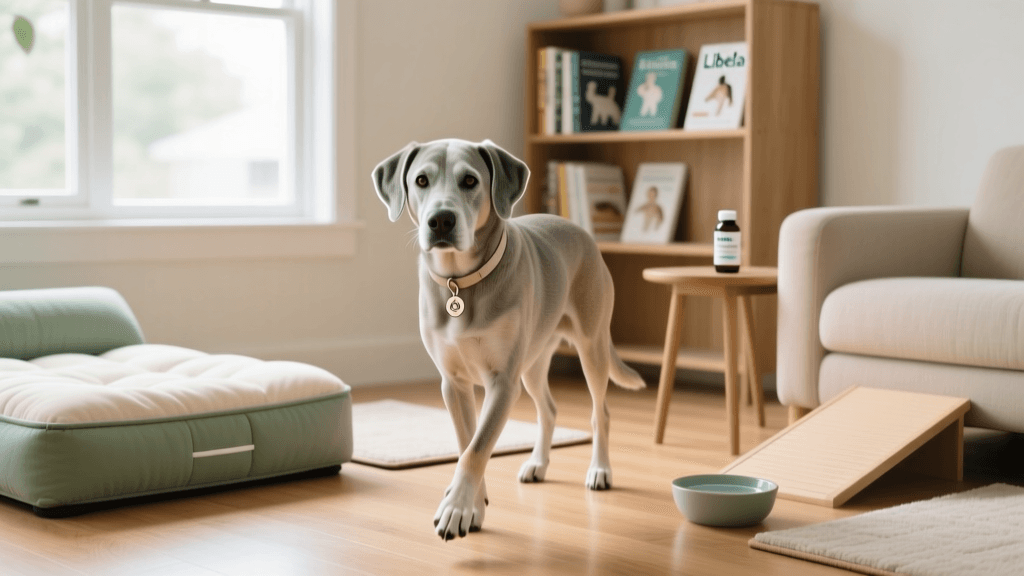
Librela (bedinvetmab) has become a cornerstone of OA management in 2026. Administered as a monthly subcutaneous injection by your veterinarian, Librela provides continuous pain relief without the systemic side effects associated with daily oral NSAIDs. According to data published on the official Librela website, dogs receiving this therapy show marked improvements in mobility, willingness to jump, and overall vitality within the first month of treatment.
While Librela addresses the pain signaling pathway, veterinarians often combine it with other modalities. The WSAVA Global Pain Council strongly advocates for a multimodal approach, noting that combining biologic pain relief with physical rehabilitation, weight management, and environmental modifications yields the highest success rates for senior dogs.
Designing an OA-Friendly Home Environment
Medication alone cannot solve the mechanical challenges a dog with OA faces at home. Slippery floors, high furniture, and steep stairs are daily obstacles that can trigger pain flare-ups or cause catastrophic injuries like cruciate ligament tears. Upgrading your home environment is a critical component of your dog's daily treatment plan.
1. Strategic Flooring Solutions
Hardwood, tile, and laminate floors are incredibly hazardous for arthritic dogs. The lack of traction forces them to engage stabilizing muscles constantly, leading to rapid fatigue and joint strain. In 2026, the most effective and affordable solution is the use of interlocking EVA foam tiles or low-pile, high-traction area rugs. Cover primary walkways and play areas with these materials to provide a forgiving, slip-resistant surface that cushions their joints with every step.
2. Orthopedic Bedding Upgrades
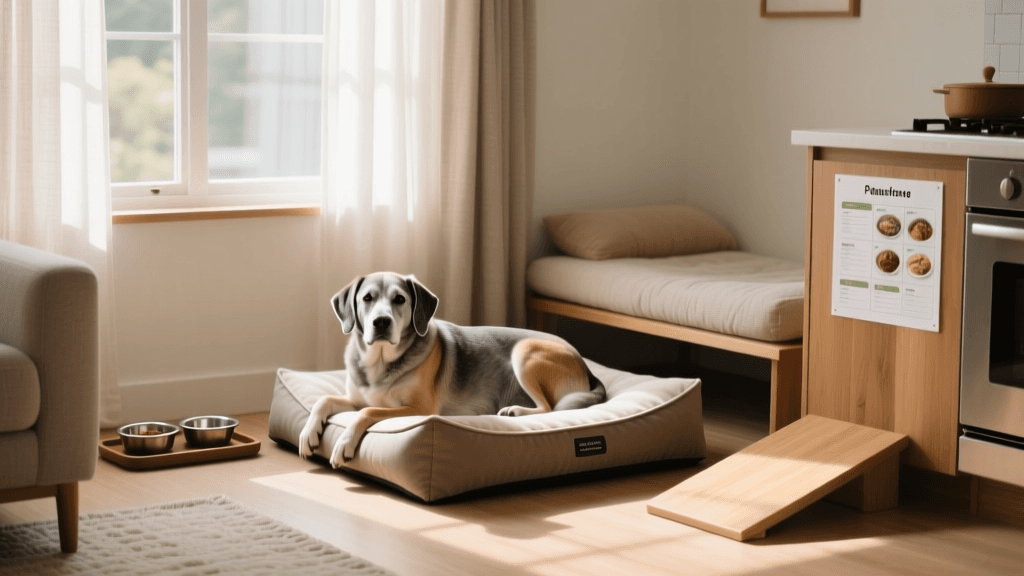
A standard stuffed dog bed offers zero therapeutic support for a dog with OA. You must invest in a high-density orthopedic mattress. The Big Barker 7-inch Orthopedic Dog Bed (2026 Edition) remains the gold standard, utilizing a proprietary foam blend that prevents the bed from flattening out over time. Priced around $250 to $350 depending on the size, it is an investment that prevents pressure sores and supports spinal alignment. Ensure the bed is placed in a draft-free area with easy access, avoiding corners where the dog must make sharp, painful turns to enter or exit.
3. Ramps and Accessibility
Jumping onto couches, beds, or into vehicles puts immense concussive force on compromised joints. Eliminate jumping entirely by deploying ramps or pet stairs. The PetSafe Happy Ride Folding Pet Ramp is highly recommended for its lightweight, bi-fold design and high-traction grit surface. For indoor furniture, consider the Solvit PupSTEP Plus pet stairs, which feature a gentle incline and side rails to provide psychological and physical security for hesitant dogs.
Structuring a Low-Impact Daily Routine
Consistency is the secret to managing canine OA. Erratic exercise—such as resting all week and then going on a vigorous weekend hike—causes severe inflammation. Instead, implement a structured, low-impact daily routine that keeps the joints lubricated and the muscles engaged without causing micro-trauma.
The American Kennel Club recommends 'sniffaris'—slow, mentally stimulating walks where the dog is allowed to sniff at their own pace. Sniffing lowers a dog's heart rate and provides immense mental enrichment, tiring them out just as effectively as a physical run, but without the joint impact.
| Time of Day | Activity | Purpose & OA Benefit |
|---|---|---|
| Morning (7:00 AM) | 5-Minute Gentle Massage & Stretching | Increases blood flow to stiff joints after a night of rest. |
| Mid-Morning (10:00 AM) | 20-Minute Sniffari Walk | Low-impact movement to maintain muscle mass and joint lubrication. |
| Afternoon (2:00 PM) | Hydrotherapy or Indoor Puzzle Games | Water buoyancy relieves joint pressure; puzzles provide mental fatigue. |
| Evening (6:00 PM) | 15-Minute Slow Leash Walk | Prevents evening stiffness before the overnight rest period. |
| Night (9:00 PM) | Heat Therapy on Hips/Spine | Relaxes tense compensatory muscles and promotes restful sleep. |
Nutrition and Joint Supplements in 2026
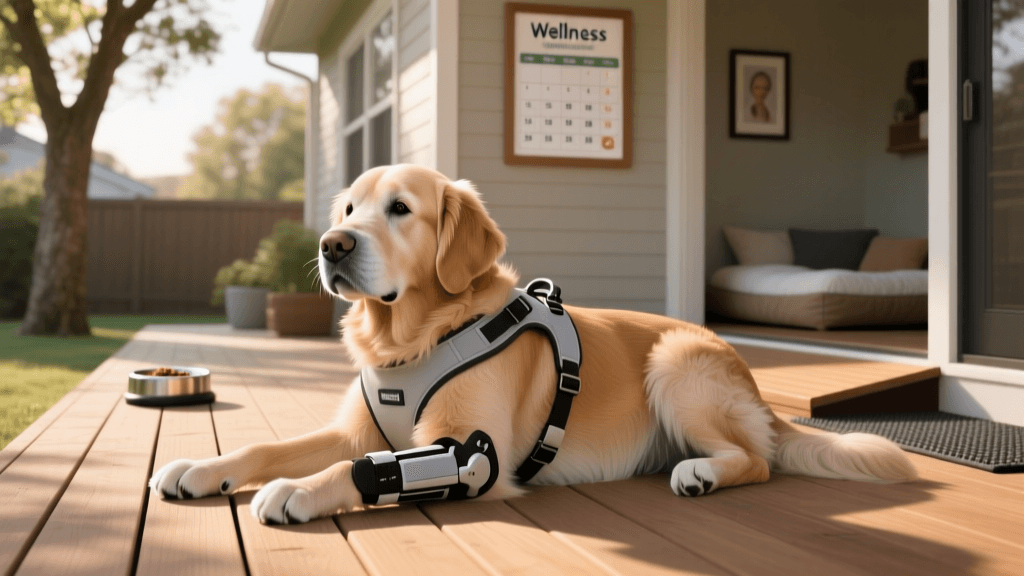
Weight management is arguably the most critical non-pharmacological treatment for canine OA. Every extra pound of body weight exerts roughly four pounds of additional pressure on the joints. Keeping your dog at a lean body condition score (BCS of 4 out of 9) is mandatory.
Beyond weight control, targeted joint supplements can help modulate inflammation and protect remaining cartilage. In 2026, veterinary nutritionists favor supplements with clinically proven ingredients over generic multivitamins. Look for products containing:
- Omega-3 Fatty Acids (EPA and DHA): Sourced from wild-caught fish oil or green-lipped mussels, high doses of EPA/DHA naturally inhibit inflammatory pathways. Aim for a combined EPA/DHA dose of at least 100 mg per kilogram of body weight daily.
- Undenatured Type II Collagen (UC-II): Unlike traditional glucosamine, UC-II works via oral tolerance to prevent the immune system from attacking joint cartilage. Dasuquin Advanced with EPI is a top-tier veterinary-recommended supplement that combines UC-II, ASU, and Boswellia serrata for comprehensive joint support.
- Green-Lipped Mussel Extract: Rich in unique glycosaminoglycans and ETA (eicosatetraenoic acid), this ingredient provides potent natural pain relief.
Monitoring Progress with Smart Technology
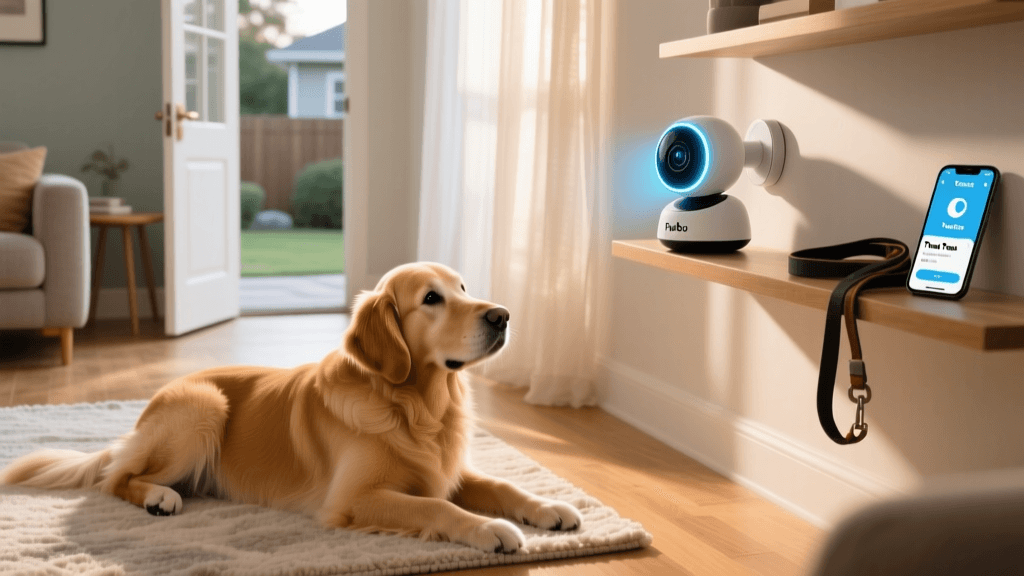
One of the greatest challenges in treating canine OA is that dogs are stoic; they often hide their pain until it becomes debilitating. In 2026, pet owners can leverage smart collar technology to monitor their dog's baseline activity, sleep quality, and scratching/restlessness metrics. Devices like the advanced PetPace 2.0 smart collar track vital signs and movement patterns, alerting you via a smartphone app if your dog's mobility decreases or if their resting heart rate elevates—both early indicators of an OA flare-up.
Conclusion
Managing canine osteoarthritis in 2026 requires a proactive, multifaceted strategy. By combining the targeted pain relief of monoclonal antibodies like Librela with rigorous weight management, strategic home modifications, and a consistent low-impact routine, you can drastically alter the trajectory of your dog's disease. OA is not a death sentence for an active life; it is simply a condition that requires us to be better, more observant, and more accommodating partners to our aging dogs. Consult your veterinarian to build a customized 2026 care plan that keeps your best friend moving comfortably for years to come.
priya-sutaria
All our authors care for dogs every day — read more of their work on the authors page.