Furbo 360 Camera Review 2026: Separation Anxiety Training
Discover how the Furbo 360 dog camera aids separation anxiety training in 2026. Learn step-by-step desensitization protocols and smart treat tossing tips.
Introduction to Canine Separation Anxiety in 2026
As remote work policies continue to evolve in 2026, many dog owners are facing a significant challenge: transitioning their pets to longer periods of alone time. Canine separation anxiety remains one of the most prevalent behavioral issues in modern households, characterized by destructive behavior, excessive vocalization, and inappropriate elimination when the dog is left unattended. According to the ASPCA, separation anxiety is triggered when a dog becomes overly attached to their guardian and experiences severe distress upon separation. Treating this condition requires patience, systematic desensitization, and the right technological tools to monitor progress safely.
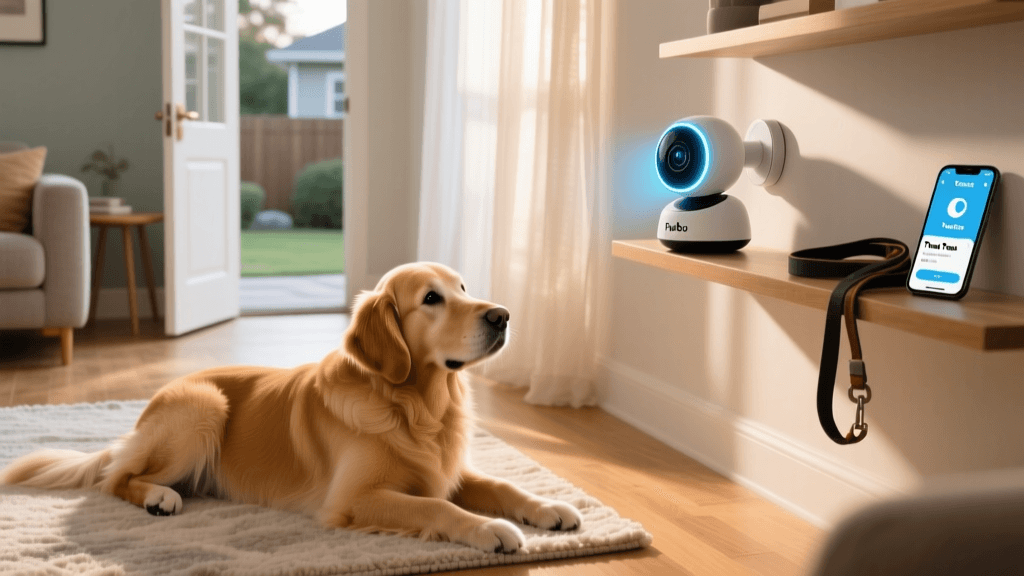
Enter the Furbo 360 Dog Camera. In 2026, this device has solidified its position as a premier tool for behaviorists and pet owners alike. Unlike static cameras, the Furbo 360 offers a rotating lens, auto-tracking capabilities, and a two-way audio system that allows owners to observe and interact with their dogs in real-time. But simply watching your dog panic on a screen is not a treatment plan. To truly leverage this technology, owners must pair the camera with a structured, science-based training protocol. In this comprehensive guide, we will explore how to use the Furbo 360 to implement a systematic desensitization program for separation anxiety.
Understanding Trigger Stacking and Pre-Departure Cues
Before diving into the camera protocol, it is crucial to understand the concept of "trigger stacking." Dogs do not just experience anxiety when the door closes; their stress hormones begin to spike during the pre-departure routine. Picking up your keys, putting on your shoes, or grabbing your coat are all environmental cues that signal impending isolation. The American Kennel Club (AKC) emphasizes that desensitization must begin with these micro-triggers before attempting actual departures.
The Furbo 360 is invaluable during this phase because its AI-driven bark and activity alerts (updated in the 2026 firmware) allow you to monitor your dog's baseline stress levels even when you are in another room. By observing your dog through the app, you can identify exactly which pre-departure cue causes the first spike in anxiety, such as panting, pacing, or whining.
Common Pre-Departure Triggers to Desensitize
- Key Handling: Picking up the car keys and walking to the kitchen instead of the door.
- Footwear: Putting on work boots or sneakers and then sitting down on the couch to watch television.
- Bag Packing: Loading your work bag or laptop and leaving it by the door while you continue your morning routine.
- Grooming Cues: Applying perfume, cologne, or makeup, which often immediately precedes leaving the house.
The Furbo 360 Systematic Desensitization Protocol
This protocol is designed to be executed over several weeks. The golden rule of separation anxiety training is to never push the dog past their anxiety threshold. If your dog panics, you have moved too quickly. The Furbo 360 allows you to watch for subtle signs of stress (lip licking, yawning, whale eye) via the 1080p HD feed, ensuring you return before the dog enters a state of panic.
Phase 1: Pre-Departure Desensitization (Days 1-7)
During the first week, you will not actually leave the house. Your goal is to break the associative bond between your departure cues and the act of leaving. Perform your pre-departure cues (keys, shoes, coat) and then immediately sit back down. Use the Furbo 360's treat-tossing feature to reward your dog for remaining calm on their designated "safe place" mat or bed. The camera's 360-degree rotation ensures that no matter where your dog retreats in the room, you can target the treat accurately. Tossing treats via the app also builds a positive conditioned emotional response (+CER) to the sound of the Furbo's treat mechanism, which will be vital in later phases.
Phase 2: Micro-Departures (Days 8-14)
Once your dog shows zero signs of stress during pre-departure cues, you can begin micro-departures. This involves stepping out the front door and immediately stepping back in.
Step-by-Step Execution:
1. Perform your cues.
2. Open the door, step out, and close the door.
3. Watch the Furbo 360 app on your phone while standing outside.
4. If your dog remains calm for 3 seconds, re-enter calmly.
5. Gradually increase the time outside: 5 seconds, 10 seconds, 30 seconds, 1 minute, up to 5 minutes.
Critical Note: Do not use the two-way audio to soothe a whining dog. Hearing your voice without your physical presence can increase frustration and anxiety. Only use the audio or treat toss when the dog is exhibiting calm, settled behavior.
Phase 3: Extended Absences and Enrichment (Days 15-30)
As you extend your absences to 15, 30, and eventually 60 minutes, you must provide appropriate environmental enrichment. The Fear Free Pets organization highly recommends utilizing long-lasting food puzzles to keep the canine brain engaged and promote the release of endorphins through licking and chewing. Before leaving, stuff a KONG Classic with frozen bone broth and peanut butter, or provide a Lickimat Soother. Use the Furbo 360 to monitor how long the enrichment lasts. If your dog ignores the food puzzle, it is a strong indicator that their anxiety threshold has been crossed, and you need to reduce the duration of your absence.
2026 Smart Camera Comparison for Anxiety Monitoring
While the Furbo 360 is our top recommendation for treat-based positive reinforcement, it is helpful to compare it against other leading 2026 models to understand the current market landscape.
| Feature | Furbo 360 (2026 Model) | Petcube Bites 2 Lite | Wyze Cam Pan v3 |
|---|---|---|---|
| Field of View | 360° Rotating | 160° Fixed Wide | 360° Pan/Tilt |
| Treat Tossing | Yes (Adjustable Distance) | Yes (Fixed Distance) | No |
| AI Anxiety Alerts | Yes (Vet-Approved AI) | Basic Sound/Motion | Basic Sound/Motion |
| Two-Way Audio | High-Fidelity | Standard | Standard |
| Subscription Cost | $6.99/month | $5.99/month | $2.99/month |
As the table illustrates, the Furbo 360 justifies its premium price point through its specialized AI alerts and adjustable treat tossing, both of which are critical for active behavioral modification rather than passive monitoring.
Complementary Calming Tools for 2026
Technology alone cannot cure separation anxiety. The most successful behavior modification plans combine camera monitoring with environmental and biological support. In 2026, veterinary behaviorists frequently recommend the following adjunct therapies:
- Adaptil Optimum Diffusers: These synthetic pheromone diffusers mimic the nursing pheromones of a mother dog, providing a subconscious sense of security. Place the diffuser in the room where your dog will be isolated, ensuring it is out of reach of chewing.
- Calming Audio Scapes: Classical music or specifically engineered bio-acoustic music (such as Through a Dog's Ear) can help mask outside neighborhood noises that might trigger reactive barking. Smart speakers can be scheduled via the Furbo app ecosystem to turn on automatically when you leave.
- Compression Garments: Products like the ThunderShirt apply gentle, constant pressure, which has been shown to reduce autonomic arousal in anxious dogs during alone time.
When to Consult a Veterinary Behaviorist
It is important to recognize the limitations of at-home training. If your dog engages in severe self-mutilation, breaks teeth on window frames or door crates, or exhibits elimination issues solely related to panic, you must seek professional help. A board-certified veterinary behaviorist can prescribe anti-anxiety medications (such as fluoxetine or clomipramine) to lower your dog's baseline arousal levels, making the systematic desensitization protocol actually possible. Medication does not replace training; it facilitates it by allowing the dog's brain to process new, positive associations without being hijacked by the amygdala's panic response.
Conclusion
Managing canine separation anxiety in 2026 requires a blend of empathy, scientific training methods, and smart technology. The Furbo 360 Dog Camera is not a magic cure, but when utilized as an observant eye and a positive reinforcement delivery system, it becomes an indispensable asset in your training arsenal. By respecting your dog's threshold, systematically desensitizing pre-departure cues, and providing robust environmental enrichment, you can help your canine companion build the confidence needed to thrive, even when home alone.
tom-renshaw
All our authors care for dogs every day — read more of their work on the authors page.