Senior Dog Care: How to Adjust Your Home and Routine
Discover practical senior dog care tips to adjust your home, daily routine, and diet for your aging pet. Ensure comfort and health in their golden years.
Understanding the Senior Life Stage
Watching your vibrant, energetic puppy grow into a distinguished, gray-muzzled senior is one of the most rewarding yet bittersweet experiences of dog ownership. As your dog enters their golden years, their physical and cognitive needs shift dramatically. Providing the best life stage care requires moving away from a 'one-size-fits-all' approach and tailoring your home environment, daily routines, and veterinary care to support an aging body.
But when exactly does a dog become a senior? According to the American Animal Hospital Association (AAHA), dogs are generally considered senior when they reach the last 25% of their expected lifespan. This means the timeline varies drastically by breed and size. A Great Dane may enter their senior years at just 5 or 6 years old, while a Chihuahua or Toy Poodle might not show signs of aging until they are 10 or 11. Recognizing this transition early is the first step in implementing proactive life stage care that preserves your dog's quality of life.
Essential Home Modifications for Aging Joints
Osteoarthritis and joint degeneration are among the most common issues facing senior dogs. Making strategic, relatively inexpensive modifications to your home can drastically reduce pain and prevent catastrophic falls.
Ramps and Stairs
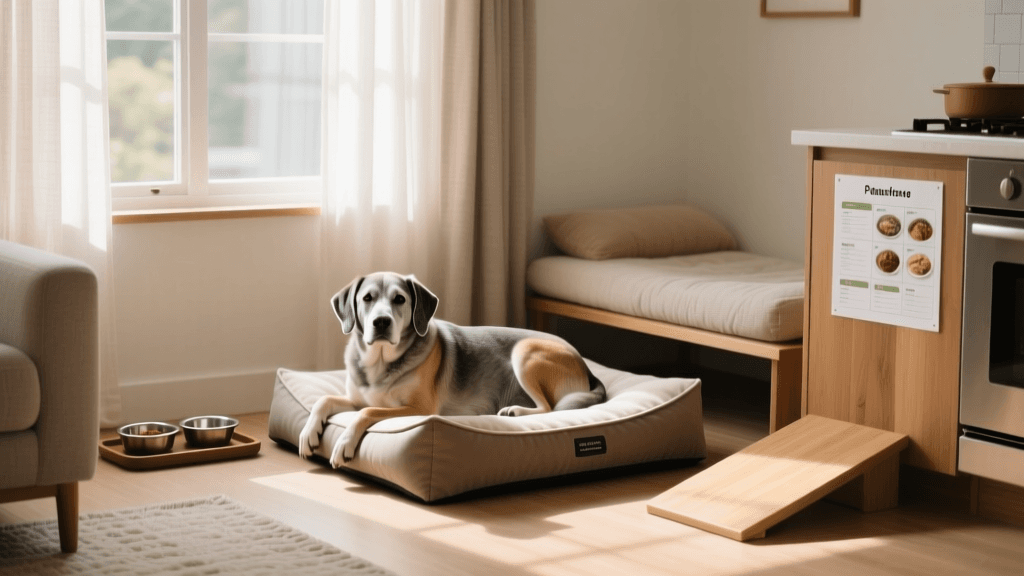
Jumping on and off furniture or into vehicles puts immense concussive force on aging joints. Invest in a high-quality ramp or pet stairs. The ideal incline for a dog ramp is between 18 and 25 degrees. The PetSafe Happy Ride Telescoping Pet Ramp (approximately $80-$100) is a top choice because it extends from 39 to 72 inches, allowing you to adjust the angle based on your vehicle's height. It supports up to 400 pounds and features a high-traction surface that prevents paw slipping.
Orthopedic Bedding
Standard poly-fill dog beds flatten quickly and offer zero joint support. Senior dogs require high-density orthopedic foam to distribute their weight evenly and relieve pressure points on hips and elbows. The Big Barker 7-inch Pillow Top Orthopedic Dog Bed (approximately $240-$300) is widely recommended by veterinarians. It uses a proprietary foam blend guaranteed not to flatten for 10 years. While it is a premium investment, the cost is easily offset by the potential reduction in veterinary pain management medications.
Flooring and Traction
Smooth surfaces like hardwood, tile, and laminate are incredibly dangerous for senior dogs with weakened hindquarters. A single slip can lead to a torn cruciate ligament or a hip fracture. Cover high-traffic areas and your dog's primary walking paths with non-slip rugs or interlocking EVA foam puzzle mats. Alternatively, you can apply non-slip paw grips, such as Musher's Secret Paw Wax or silicone paw covers like Pawz Dog Boots, to provide immediate traction on slick floors.
Adapting the Daily Routine and Exercise
While your senior dog may no longer be able to accompany you on a five-mile run, complete rest is equally detrimental. Muscle atrophy accelerates joint disease, so maintaining a modified exercise routine is vital.
The Power of the 'Sniffari'
Transition from long, brisk walks to shorter, more frequent outings focused on mental enrichment. Veterinary behaviorists highly recommend the 'Sniffari'—a leisurely walk where the dog is allowed to stop and sniff their environment for as long as they wish. According to the American Kennel Club (AKC), the mental processing required to decode scent trails is incredibly stimulating. A 20-minute Sniffari can tire out a senior dog just as effectively as a one-mile physical walk, keeping their brain sharp while sparing their joints.
Adjusting Potty Breaks
Aging kidneys and weakened bladder sphincters mean your dog may need more frequent bathroom breaks. If you are away at work, consider hiring a mid-day dog walker or installing a low-threshold dog door to prevent accidents and the anxiety associated with them.
Nutritional Shifts and Joint Support
A dog's metabolism slows down as they age, making them highly susceptible to obesity. Excess weight is the enemy of the senior dog, as it exacerbates arthritis and strains the cardiovascular system. You will likely need to reduce their daily caloric intake by 10% to 20% or transition to a specifically formulated senior diet that features high-quality, easily digestible proteins to maintain muscle mass without adding fat.
In addition to diet, targeted supplementation becomes a cornerstone of senior life stage care:
- Joint Supplements: Look for products containing Glucosamine, Chondroitin, and MSM. Nutramax Dasuquin Advanced Soft Chews (approx. $65 for 84 count) is a veterinary staple that includes ASU (Avocado/Soybean Unsaponifiables) to help prevent cartilage breakdown.
- Omega-3 Fatty Acids: Fish oils rich in EPA and DHA act as powerful natural anti-inflammatories. Brands like Nordic Naturals Omega-3 Pet provide liquid formulations that can be easily pumped over dry kibble.
- Cognitive Support: Supplements containing MCT oil or antioxidants (like Vitamins E and C) can help support brain health and delay the onset of Canine Cognitive Dysfunction (CCD).
Adult vs. Senior Dog Care Comparison Chart
Use the following table to benchmark your current care routine against the recommended standards for senior dogs.
| Care Aspect | Adult Dog (1-7 Years) | Senior Dog (7+ Years) |
|---|---|---|
| Veterinary Exams | Annual wellness visits | Bi-annual (every 6 months) visits |
| Exercise Routine | 30-60 mins of vigorous activity daily | Short, frequent walks & mental enrichment |
| Bedding | Standard poly-fill or elevated cots | 4+ inches of high-density orthopedic foam |
| Dietary Focus | Maintenance calories, standard protein | Reduced calories, joint support, high digestibility |
| Home Environment | Standard pet-proofing | Ramps, non-slip rugs, elevated bowls |
Proactive Veterinary Screenings
Because dogs age at an accelerated rate compared to humans, a lot can change in just six months. The American Veterinary Medical Association (AVMA) strongly recommends that senior dogs visit the veterinarian twice a year. During these visits, proactive bloodwork is essential to catch silent diseases before clinical symptoms appear.
Request a comprehensive senior blood panel that includes:
- Complete Blood Count (CBC) & Chemistry Panel: To evaluate liver, kidney, and pancreatic function, as well as blood sugar levels.
- SDMA Test: A biomarker that can detect kidney disease much earlier than traditional BUN and Creatinine tests.
- Thyroid Panel (T4): Hypothyroidism is common in older dogs and can cause lethargy, weight gain, and skin issues.
- Urinalysis: Crucial for detecting early signs of urinary tract infections, diabetes, and kidney concentrating ability.
Proactive screening allows your veterinarian to implement dietary changes or start medications when a disease is in its most manageable stages, ultimately extending your dog's lifespan and preserving their comfort.
Embracing the Golden Years
Transitioning your home and routine to accommodate a senior dog requires patience, observation, and a willingness to adapt. By investing in orthopedic support, modifying their exercise to prioritize mental stimulation, and committing to bi-annual veterinary screenings, you can ensure your loyal companion remains comfortable, dignified, and happy. The golden years may look different than the puppy days, but the bond you share will only continue to deepen with the right life stage care.
marcus-aldridge
All our authors care for dogs every day — read more of their work on the authors page.