Managing Canine OA in 2026: Librela and Home Mobility Setups
Discover the 2026 standard for canine OA treatment. Learn how to combine Librela injections with home mobility setups for a happier, pain-free senior dog.
Understanding Canine Osteoarthritis in 2026
Living with a senior dog or a canine companion suffering from osteoarthritis (OA) requires empathy, patience, and a proactive approach to their daily environment. As we move through 2026, the veterinary community has made remarkable strides in managing chronic joint pain, shifting away from relying solely on traditional NSAIDs toward targeted biologic therapies and comprehensive environmental modifications. Osteoarthritis is a degenerative joint disease that affects a significant portion of the aging dog population, leading to stiffness, reduced mobility, and a diminished quality of life. According to the American Kennel Club, OA is one of the most common chronic diseases seen in veterinary practice, impacting not just the joints but the dog's overall behavior and happiness. In 2026, the gold standard for managing this condition involves a dual approach: utilizing advanced anti-Nerve Growth Factor (anti-NGF) monoclonal antibody injections alongside strategic home mobility setups. This comprehensive guide will walk you through the latest medical treatments and practical home modifications to ensure your furry friend remains comfortable, active, and joyful in their golden years.
The 2026 Standard of Care: Librela (Bedinvetmab)
For years, veterinarians relied heavily on non-steroidal anti-inflammatory drugs (NSAIDs) to manage canine OA. While effective, long-term NSAID use can pose risks to a dog's gastrointestinal, renal, and hepatic systems, especially in senior pets. The introduction and widespread adoption of Librela (bedinvetmab) has fundamentally changed the OA treatment paradigm. Originally highlighted in the FDA's landmark approval of anti-NGF therapies, this monthly injectable monoclonal antibody specifically targets and neutralizes Nerve Growth Factor, a key protein involved in the transmission of pain signals in osteoarthritic joints.
By 2026, Librela has become a staple in veterinary clinics worldwide due to its exceptional safety profile and efficacy. Unlike daily pills, which can be difficult to administer and easy to forget, Librela is administered as a simple subcutaneous injection by your veterinarian once a month. This ensures 100% compliance and steady pain relief. Pet owners consistently report dramatic improvements in their dog's mobility, noting that pets who previously struggled to climb stairs or jump into the car are suddenly acting like puppies again. The cost of Librela in 2026 typically ranges from $75 to $150 per month, depending on the dog's weight and the specific veterinary clinic's pricing structure. While it is a premium treatment, the lack of required routine bloodwork—unlike what is mandated for long-term NSAID use—often balances out the annual healthcare costs.
Complementing Medical Treatment with Home Modifications
While Librela and other 2026 veterinary therapies are miraculous for pain management, they do not cure the underlying mechanical degradation of the joints. To truly optimize your dog's quality of life, you must adapt your living space to minimize joint strain. A pain-free dog might still suffer acute injuries if they slip on hardwood floors or attempt to navigate steep staircases. Environmental management is the crucial second pillar of modern OA care.
1. Upgrading Flooring for Maximum Traction
Slippery surfaces are the enemy of arthritic dogs. Hardwood, tile, and laminate floors can cause a dog's legs to splay out, leading to micro-traumas in the hips and shoulders, or even catastrophic tears to the cranial cruciate ligament (CCL). In 2026, the most effective solution is the strategic placement of high-traction area rugs and interlocking foam mats. Look for rugs with heavy-duty, non-slip rubber backing. Alternatively, apply paw-grip coatings or use specialized canine traction socks with silicone treads when your dog is navigating particularly slick areas of the house. Keeping your dog's paw fur trimmed and their nails filed short also significantly improves natural grip.
2. Implementing Ramps and Pet Stairs
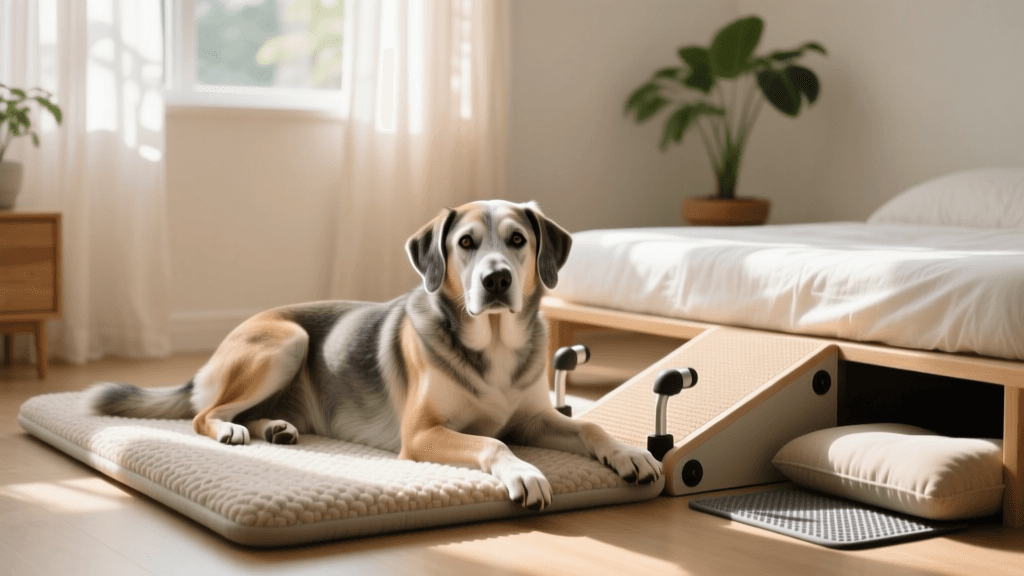
Jumping on and off furniture creates immense concussive force on compromised joints. To preserve your dog's remaining cartilage, eliminate the need for jumping entirely. Invest in high-quality, adjustable pet ramps for vehicles and sturdy, wide-base pet stairs for couches and beds. When selecting a ramp, ensure the incline is gentle; a steeper ramp requires more muscular exertion, which can still fatigue an arthritic dog. For beds, opt for stairs that feature a deep tread (at least 8 inches) and a non-slip surface. Training your dog to use these aids requires patience and high-value treats, but it is a vital investment in their long-term mobility.
Top Orthopedic Beds and Supportive Gear for 2026
An arthritic dog spends a significant amount of time resting, making their bed one of the most important purchases you will make. Standard poly-fill beds flatten out quickly and offer zero orthopedic support. In 2026, veterinary orthopedic specialists recommend beds constructed from high-density, medical-grade memory foam or therapeutic support foam. Brands like Big Barker and Furhaven have released updated 2026 models featuring cooling gel layers and waterproof, easy-to-wash covers.
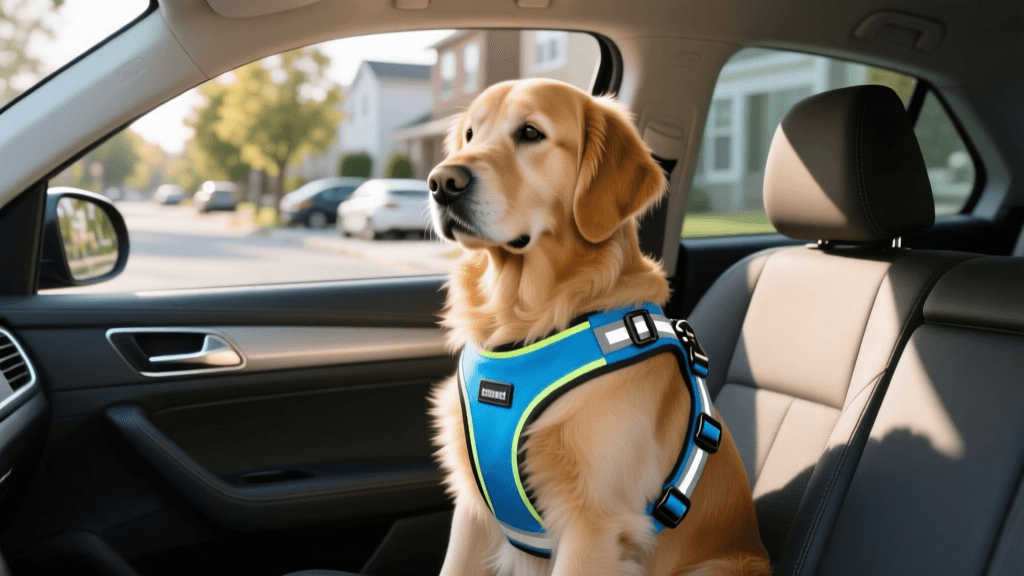
The ideal orthopedic bed should be at least 4 to 6 inches thick to prevent the dog's heavy joints from bottoming out and pressing against the hard floor. Additionally, consider beds with bolstered edges, which provide a sense of security and a comfortable place for your dog to rest their head, promoting better spinal alignment. For dogs with severe mobility issues, supportive lifting harnesses, such as the Help 'Em Up Harness, are invaluable. These harnesses feature ergonomic handles over the hips and shoulders, allowing you to safely assist your dog up stairs, into the car, or over slippery thresholds without risking injury to your own back.
Daily Routine: Exercise, Diet, and Mental Enrichment
Managing OA is not about stopping all activity; it is about modifying it. Consistent, low-impact exercise is essential to maintain muscle mass, which acts as a shock absorber for arthritic joints. Short, frequent leash walks on soft surfaces like grass or dirt trails are far superior to long, weekend warrior hikes. Swimming and underwater treadmill therapy are also premier 2026 rehabilitation options that provide cardiovascular and muscular benefits without joint loading.
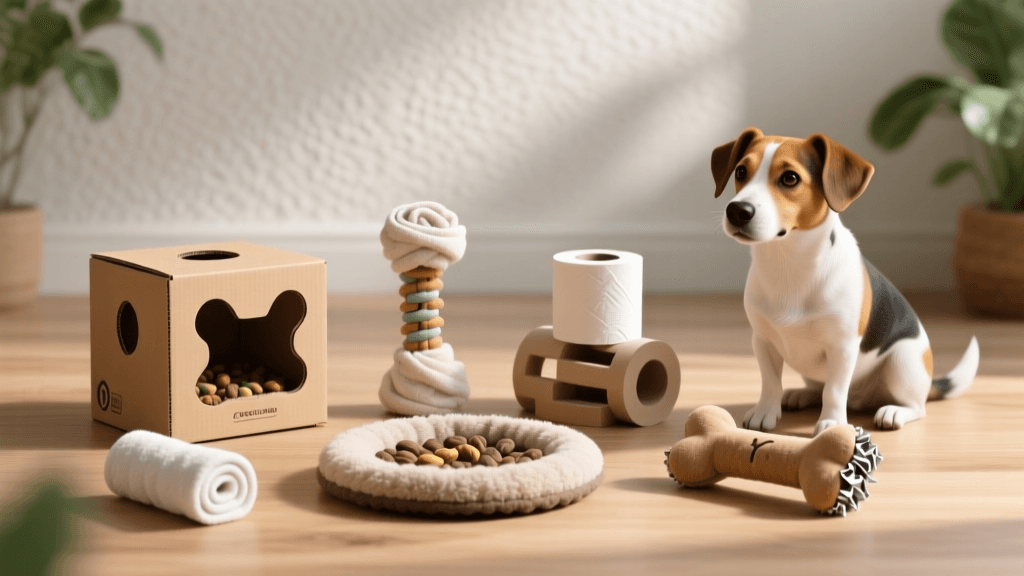
Diet plays an equally critical role. Maintaining a lean body condition is non-negotiable; even a few extra pounds can exponentially increase the stress on your dog's joints. Consult your veterinarian about prescription joint-support diets or adding high-quality Omega-3 fatty acid supplements (specifically EPA and DHA from marine sources) to their daily meals. Finally, do not neglect mental enrichment. If physical exercise is limited, use puzzle toys, snuffle mats, and scent-work games to keep your dog's mind sharp and prevent the depression that often accompanies chronic pain and reduced mobility.
Comparison Table: 2026 Canine OA Management Options
| Treatment / Tool | Primary Function | Estimated 2026 Cost | Frequency of Use |
|---|---|---|---|
| Librela (Bedinvetmab) | Blocks NGF pain signals | $75 - $150 / month | Monthly Vet Injection |
| NSAIDs (e.g., Carprofen) | Reduces inflammation | $40 - $90 / month | Daily Oral Medication |
| Orthopedic Memory Foam Bed | Joint support during rest | $150 - $350 (One-time) | Daily / Continuous |
| Adjustable Pet Ramp | Eliminates jumping strain | $80 - $200 (One-time) | As needed for cars/beds |
| Omega-3 Joint Supplement | Supports cartilage health | $25 - $50 / month | Daily with food |
Conclusion
Life with a dog suffering from osteoarthritis in 2026 is vastly different than it was even a decade ago. The advent of targeted biologic treatments like Librela, combined with a deeper understanding of environmental ergonomics, means that an OA diagnosis is no longer a reason to despair. By partnering closely with your veterinarian to establish a modern medical protocol and taking the time to dog-proof your home against slips, falls, and unnecessary jumps, you can provide your loyal companion with a vibrant, comfortable, and deeply fulfilling life. Remember, the goal is not just to add years to your dog's life, but to add life to their years.
anouk-beaumont
All our authors care for dogs every day — read more of their work on the authors page.