DIY Dog Enrichment Toys: Homemade Puzzles For Mental Stimulation
Discover 5 easy DIY dog enrichment toys to boost your pup's mental health. Learn how to make homemade puzzles, snuffle mats, and more on a budget.
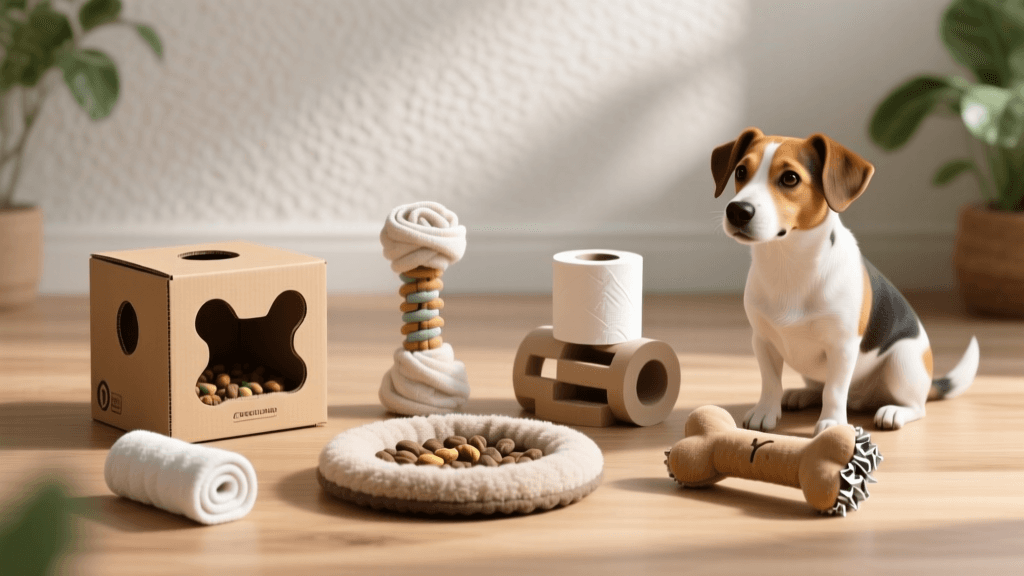
Life with a dog is one of the most rewarding experiences a person can have, but it also comes with the responsibility of keeping your canine companion physically and mentally healthy. While most dog owners prioritize daily walks and physical exercise, mental stimulation is just as crucial. A bored dog is often a destructive dog, leading to chewed furniture, excessive barking, and anxiety-driven behaviors. Fortunately, you do not need to spend a fortune on high-end pet store gadgets to keep your dog engaged. With a few household items and a bit of creativity, you can craft highly effective enrichment tools right at home.
Why Mental Enrichment Matters for Dogs
Mental enrichment involves providing activities that engage your dog's brain, encouraging problem-solving, foraging, and natural instinctual behaviors. According to the ASPCA, dogs require regular mental stimulation to prevent boredom and the behavioral issues that often stem from it. In the wild, canines spend up to 80 percent of their waking hours foraging and scavenging for food. When we serve our domestic dogs their meals in a bowl, they finish eating in seconds, leaving them with hours of unspent mental energy.
Engaging your dog's brain is incredibly tiring for them. In fact, many canine behaviorists note that fifteen minutes of intense scent work or puzzle-solving can be as physically exhausting for a dog as an hour-long walk. By incorporating homemade enrichment toys into your daily routine, you can improve your dog's focus, reduce anxiety, and deepen the bond you share.
5 Easy DIY Dog Enrichment Toys You Can Make Today
Below are five practical, budget-friendly DIY enrichment projects that cater to different canine instincts, from sniffing and licking to chewing and foraging.
1. The Classic Fleece Snuffle Mat
A snuffle mat mimics the experience of foraging for food in tall grass. It taps into your dog's powerful olfactory system, slowing down their eating and providing immense mental satisfaction.
Materials Needed:
- 1 rubber sink mat with holes (available at most hardware or dollar stores)
- 2 yards of anti-pill fleece fabric (in 2 or 3 different colors)
- Fabric scissors
Instructions:
- Cut the fleece into long strips, approximately 1 inch wide and 8 inches long. You will need roughly 200 to 300 strips depending on the size of your mat.
- Take one strip and thread it through a hole in the rubber mat, pulling it halfway through so you have two equal ends.
- Tie the ends together in a simple, tight overhand knot.
- Repeat this process until every hole in the mat is filled and the rubber base is completely hidden.
- Fluff the fleece strips and sprinkle your dog's dry kibble or small training treats deep into the fibers.
2. Frozen Broth and Peanut Butter Lick Mat
Licking is a naturally soothing behavior for dogs that releases endorphins and reduces stress. This DIY frozen treat is perfect for hot days or for keeping your dog occupied during bath time or nail trims.
Materials Needed:
- 1 silicone baking mat or a specialized pet lick mat
- 1 cup of low-sodium, onion-free chicken or beef broth
- 2 tablespoons of dog-safe peanut butter
- Optional: Plain Greek yogurt, mashed bananas, or blueberries
Instructions:
- Smear the peanut butter across the silicone mat, pressing it into the grooves or textured bumps.
- Add dollops of yogurt and mashed fruit, spreading them evenly.
- Slowly pour the low-sodium broth over the mat, ensuring it fills the remaining gaps.
- Place the mat flat in the freezer for at least 4 hours, or until completely solid.
Safety Warning: Always check the ingredient list on your peanut butter. The U.S. Food and Drug Administration (FDA) strictly warns pet owners about xylitol (sometimes listed as birch sugar), an artificial sweetener that is highly toxic and potentially fatal to dogs. Always use 100 percent pure, unsweetened peanut butter.
3. The Muffin Tin Shell Game
This is a fantastic introductory puzzle toy for dogs who are new to enrichment. It requires them to use their paws and noses to uncover hidden rewards.
Materials Needed:
- 1 standard 12-cup metal or silicone muffin tin
- 12 tennis balls or rubber balls (must be large enough that they cannot be swallowed)
- Strong-smelling, high-value dog treats
Instructions:
- Place a few treats in 3 or 4 of the empty muffin cups. Leave the other cups empty.
- Cover every single cup with a tennis ball, hiding the treats beneath them.
- Present the tin to your dog and encourage them to find the treats. They will have to nudge, paw, or pick up the balls with their mouths to access the food.
- As your dog gets better at the game, increase the number of cups with treats or use smaller, harder-to-grasp balls to increase the difficulty.
4. PVC Pipe Treat Dispenser
For dogs who love to roll and chase their toys, a homemade PVC treat dispenser is a durable, heavy-duty alternative to expensive store-bought wobble toys.
Materials Needed:
- 1 piece of 3-inch diameter PVC pipe (about 8 inches long)
- 2 PVC end caps (one glued permanently, one left removable for filling)
- Power drill with a 1-inch hole saw or spade bit
- Sandpaper
Instructions:
- Drill 3 or 4 holes randomly along the length of the PVC pipe. The holes must be slightly larger than your dog's kibble so the food can fall out, but not so large that treats pour out all at once.
- Use sandpaper to smooth out the edges of the drilled holes to prevent any sharp plastic burrs from scratching your dog's paws or mouth.
- Glue one PVC end cap securely to one side of the pipe using PVC cement. Allow it to cure fully according to the manufacturer's instructions.
- Fill the pipe with kibble through the open end, then press the second end cap on tightly (do not glue this one, as you will need to remove it to refill the toy).
- Let your dog roll the pipe across the floor to dispense their meal.
5. Cardboard Foraging Box
Dogs love to shred, dig, and explore. This messy but highly engaging activity is perfect for recycling your online shopping boxes and tapping into your dog's natural scavenging instincts.
Materials Needed:
- 1 large, sturdy cardboard box
- Various smaller cardboard boxes, toilet paper tubes, and egg cartons
- Crumpled, non-toxic packing paper or old towels
- Dry kibble or treats
Instructions:
- Place the smaller boxes, tubes, and crumpled paper inside the large box, creating a multi-layered obstacle course.
- Sprinkle kibble and treats throughout the layers, hiding some deep inside the toilet paper tubes and under the crumpled paper.
- Allow your dog to dig, sniff, and tear through the cardboard to find their rewards.
- Always supervise this activity to ensure your dog is spitting out the cardboard and not ingesting large pieces, which could cause intestinal blockages.
Cost Comparison: Store-Bought vs. DIY Enrichment Toys
One of the most significant advantages of homemade dog toys is the financial savings. Commercial puzzle toys and snuffle mats can carry a hefty premium. Below is a comparison of the estimated costs and time investment for DIY versus retail options.
| Enrichment Toy Type | Average Store-Bought Cost | Estimated DIY Cost | Time to Make |
|---|---|---|---|
| Fleece Snuffle Mat | $25.00 - $45.00 | $10.00 - $15.00 | 45 - 60 mins |
| Silicone Lick Mat | $12.00 - $20.00 | $5.00 (using baking mat) | 5 mins + freezing |
| Interactive Puzzle Board | $30.00 - $60.00 | $5.00 (Muffin Tin method) | 2 mins |
| Heavy Duty Treat Dispenser | $25.00 - $50.00 | $8.00 - $12.00 | 20 mins |
| Foraging / Digging Box | $35.00 - $70.00 | $0.00 (Recycled materials) | 5 mins |
By utilizing recycled materials and basic craft supplies, you can build an entire rotation of enrichment toys for the price of a single high-end commercial puzzle.
Safety Tips for Homemade Dog Toys
While DIY solutions are fantastic, safety must always remain your top priority. The Humane Society of the United States emphasizes that all enrichment activities should be tailored to your individual dog's temperament, size, and chewing style. Keep the following safety rules in mind:
- Supervise Playtime: Never leave your dog alone with a new homemade toy. Watch how they interact with it to ensure they are not breaking off and swallowing inedible parts like rubber matting, plastic, or cardboard.
- Size Appropriateness: Ensure that any balls, caps, or loose parts used in your puzzles are significantly larger than your dog's throat to prevent choking hazards. A standard tennis ball is safe for a Golden Retriever but could be a fatal choking risk for a Chihuahua.
- Check for Toxicity: When using household items, verify that they are free of toxic residues. Do not use cardboard boxes that previously held cleaning supplies, chemicals, or foods toxic to dogs (like grapes, raisins, or onions).
- Rotate the Toys: Dogs can become bored of the same puzzle. Keep a rotation of three to four different DIY toys and swap them out every few days to maintain the novelty and challenge.
Conclusion
Integrating DIY enrichment toys into your dog's daily routine is a simple, cost-effective way to dramatically improve their quality of life. By transforming mealtime into a foraging adventure and offering puzzles that challenge their intellect, you are honoring their natural canine instincts. Whether you spend an afternoon tying a fleece snuffle mat or simply freeze some broth in a silicone tray, your dog will appreciate the mental workout. Start crafting today, and watch your dog thrive as they sniff, lick, and solve their way to a happier, healthier life.
aaron-whyte
All our authors care for dogs every day — read more of their work on the authors page.