The Sniffari Trend: Guide to Dog Decompression Walks
Discover the viral Sniffari trend! Learn how dog decompression walks and enrichment tools lower cortisol and improve behavior.
The Viral 'Sniffari' Phenomenon: Rethinking the Daily Walk
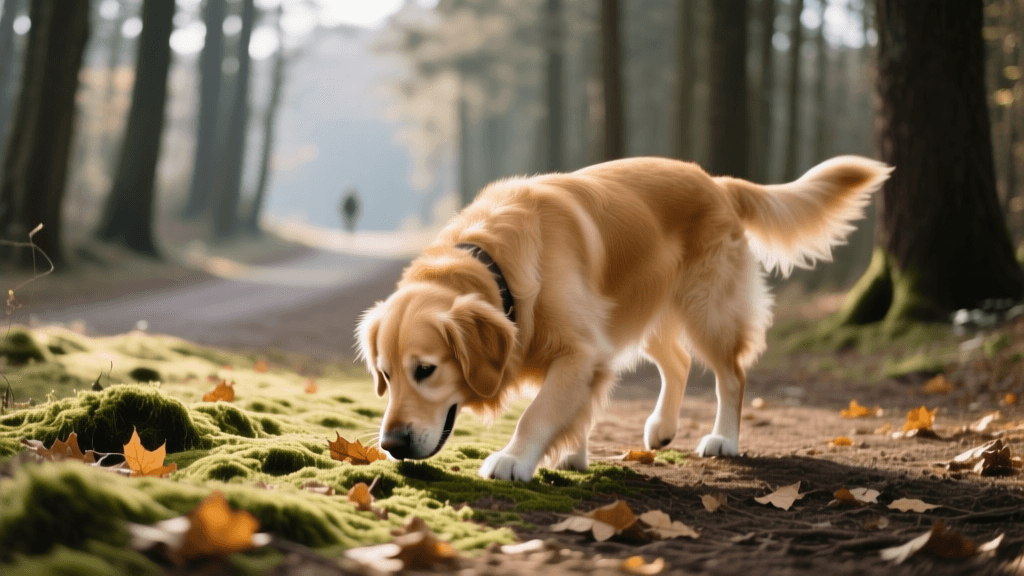
If you spend any time on DogTok or canine Instagram, you have likely encountered the term 'Sniffari.' This viral trend is completely reshaping how modern dog owners approach the daily walk. Traditionally, dog walking was viewed as a purely physical exercise—a brisk, heel-focused march around the block designed to burn off energy. However, certified behaviorists and veterinary professionals are now championing the 'decompression walk,' a slower, dog-led exploration that prioritizes mental stimulation over physical exhaustion.
A Sniffari is exactly what it sounds like: a safari for your dog's nose. Instead of pulling your dog away from every interesting bush, fire hydrant, and patch of grass, you allow them to dictate the pace and route. The goal is not to reach a destination or hit a step count, but to let your dog process the complex olfactory information left behind by other animals, changes in weather, and the local environment. For reactive, anxious, or high-energy dogs, this shift in routine is proving to be life-changing.
The Science Behind the Sniff
Why is the veterinary and behavioral community so excited about sniffing? The answer lies in canine neurology. A dog's olfactory lobe is proportionally 40 times larger than a human's, and they possess up to 300 million scent receptors (compared to our mere 6 million). When a dog sniffs, their brain is working incredibly hard to decode the chemical stories left in the environment.
According to the ASPCA's guide to dog enrichment, mental stimulation is just as critical as physical exercise for preventing behavioral issues. Studies in canine cognition have shown that 20 minutes of intense, uninterrupted sniffing can lower a dog's heart rate and provide the same level of mental fatigue as an hour of vigorous running. Furthermore, the act of sniffing releases dopamine—the brain's 'feel-good' neurotransmitter—which actively lowers cortisol (stress hormone) levels. For anxious or reactive dogs, a Sniffari acts as a natural decompression therapy, helping them return to a baseline state of calm.
Essential Gear for Decompression Walks
You cannot execute a proper Sniffari with a standard 4-foot leash and a neck collar. To give your dog the freedom to explore safely, you need specific, welfare-oriented gear:
- The Long Line (15 to 30 feet): A long line gives your dog the radius needed to investigate scents without feeling restricted. Biothane is the trending material of choice because it is waterproof, dirt-proof, and doesn't tangle or burn your hands like nylon. Cost: $25 - $45. (Recommended brands: High Tail Trails or Barkswag).
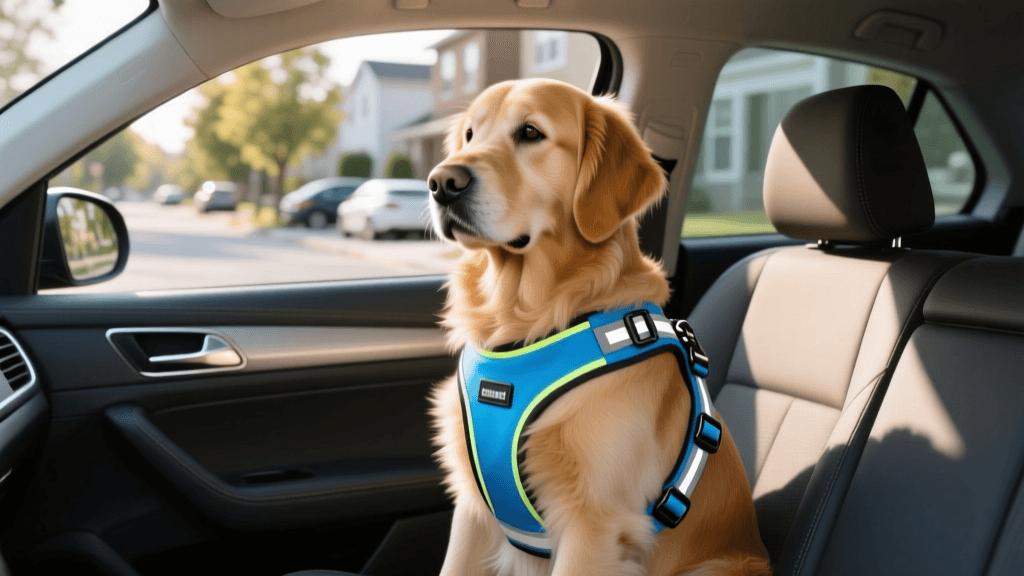
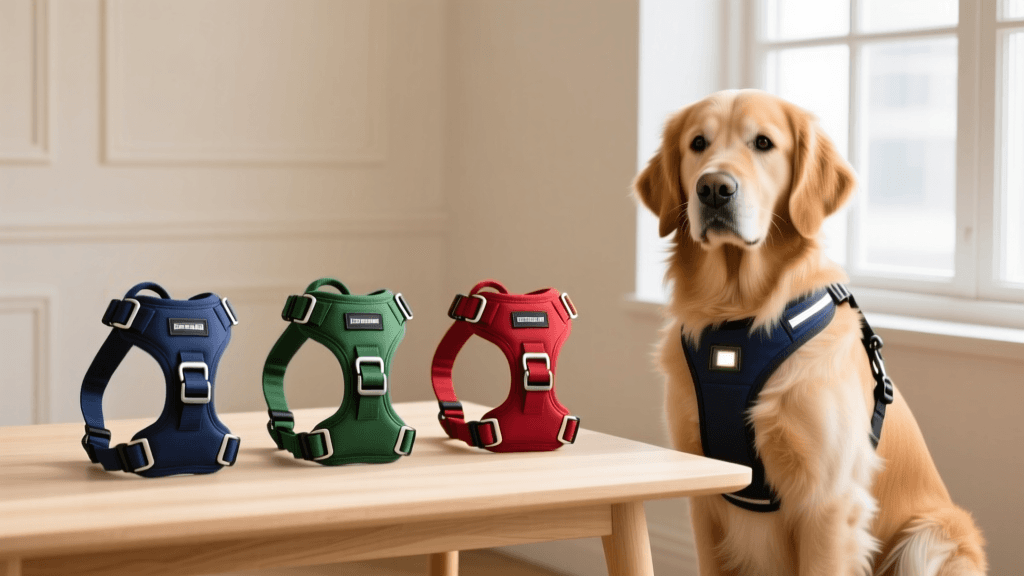
- Y-Front Harness: A harness with a Y-shaped front ensures that no pressure is placed on your dog's trachea or thyroid gland when they lean in to sniff. It also allows for full shoulder extension. Cost: $30 - $70. (Recommended brands: Rabbitgoo, Ruffwear Front Range, or Perfect Fit).
- Treat Pouch & High-Value Rewards: Sniffaris are excellent opportunities for 'scatter feeding' (tossing treats into the grass for your dog to forage). Bring a silicone treat pouch filled with freeze-dried liver or boiled chicken. Cost: $15 - $25.
How to Execute the Perfect Sniffari
Transitioning from a structured walk to a decompression walk requires patience, especially if your dog is used to pulling. Follow these actionable steps:
1. Choose the Right Location
Sidewalks and busy urban streets are not ideal for Sniffaris due to traffic hazards and limited natural scents. Seek out quiet fields, wooded trails, empty parks, or even a quiet suburban cul-de-sac. The environment should feel safe and low-traffic.
2. The 'Release' Cue
Start your walk with your normal leash manners. Once you reach the designated Sniffari zone, use a specific release cue like 'Go sniff!' or 'Free time!' Unclip the short leash and attach the long line. This verbal cue helps your dog understand that the rules of the walk have changed, and it is now time to decompress.
3. Follow, Don't Lead
Put your phone away. Let your dog choose the direction. If they want to spend four minutes sniffing a single oak tree, let them. Manage the long line by gathering loops in your hand to prevent tripping, but keep the line slack. A tight line creates tension and defeats the purpose of decompression.
4. Incorporate Scatter Feeding
Every few minutes, toss a handful of kibble or treats into the tall grass. This encourages the dog to use their nose to forage, deepening the enrichment experience and further lowering their heart rate.
Trending At-Home Enrichment Tools
The Sniffari trend has sparked a broader movement toward canine enrichment at home. When the weather is poor, or you need to keep your dog occupied while working from home, viral enrichment tools are the perfect alternative to outdoor sniffing. The American Kennel Club heavily recommends puzzle toys and foraging mats to prevent boredom-related destruction.
| Enrichment Tool | Average Cost | Prep Time | Primary Benefit & Best Use Case |
|---|---|---|---|
| Lick Mat (e.g., Hyper Pet IQ) | $10 - $15 | 5 mins (+ freezing) | Licking releases endorphins. Best for bath time, grooming, or anxiety-inducing events like thunderstorms. |
| Snuffle Mat (e.g., Paw5 Wooly) | $40 - $55 | 2 mins | Simulates foraging in grass. Best for slowing down fast eaters and replacing a standard food bowl. |
| Puzzle Toy (e.g., Nina Ottosson) | $15 - $30 | 3 mins | Requires problem-solving and physical manipulation. Best for mid-day mental fatigue while owners work. |
| Cardboard Shredding Box | Free (Recycled) | 5 mins | Taps into natural shredding instincts. Best for high-prey-drive dogs who destroy plush toys. |
Pro-Tip for Lick Mats: Smear the mat with plain pumpkin puree, xylitol-free peanut butter, or plain Greek yogurt. Sprinkle in some blueberries and kibble, then freeze it for 2 hours. The frozen texture increases the time your dog spends on the task from 5 minutes to over 20 minutes.
Building a Daily Enrichment Routine
Integrating decompression and enrichment into your daily schedule doesn't require hours of free time. Fear Free Pets advocates for 'micro-enrichment' sessions throughout the day to maintain a dog's emotional balance. Here is a sample routine for a working dog owner:
- Morning (7:00 AM): 20-minute outdoor Sniffari in a local field or quiet neighborhood. Allow the dog to dictate the pace. Serve breakfast via a Snuffle Mat upon returning home.
- Mid-Day (12:30 PM): Provide a frozen Lick Mat or a Level 2 Nina Ottosson puzzle toy filled with lunch kibble. This provides a mental workout and prevents mid-day barking or pacing.
- Evening (6:00 PM): 15-minute structured training session (practicing cues like 'place', 'stay', or new tricks) followed by a cardboard shredding box filled with a few high-value treats for wind-down play.
Final Thoughts on the Enrichment Movement
The Sniffari and canine enrichment trends are not just passing internet fads; they represent a fundamental shift toward empathetic, science-backed dog ownership. By trading the rigid, heel-focused march for a meandering, scent-driven exploration, you are honoring your dog's natural biology. You will likely find that a dog who is allowed to sniff and forage is a dog who is calmer, happier, and more connected to you. Grab a long line, head to the nearest patch of grass, and let your dog lead the way.
aaron-whyte
All our authors care for dogs every day — read more of their work on the authors page.