Canine Osteoarthritis Treatment 2026: Librela & Multi-Modal Care
Discover the latest 2026 canine osteoarthritis treatments. Learn how Librela, physical therapy, and joint supplements combine for optimal dog mobility.
Understanding Canine Osteoarthritis in 2026
Canine osteoarthritis (OA), also known as degenerative joint disease, is one of the most prevalent chronic conditions affecting our furry companions. Current veterinary estimates indicate that OA affects at least 20% of adult dogs and up to 80% of senior dogs. The condition is characterized by the progressive breakdown of articular cartilage, the formation of osteophytes (bone spurs), and chronic inflammation, leading to pain, stiffness, and a severely diminished quality of life.
Historically, veterinary medicine relied almost exclusively on non-steroidal anti-inflammatory drugs (NSAIDs) to manage OA pain. While NSAIDs remain useful, long-term use can pose risks to the gastrointestinal, hepatic, and renal systems, particularly in aging dogs. Fortunately, the standard of care has evolved significantly. As of 2026, the veterinary community embraces a multi-modal approach to canine osteoarthritis treatment, combining breakthrough biologic therapies, targeted physical rehabilitation, advanced nutraceuticals, and environmental modifications to preserve mobility and enhance wellbeing.
The Cornerstone of Modern Treatment: Librela (Bedinvetmab)
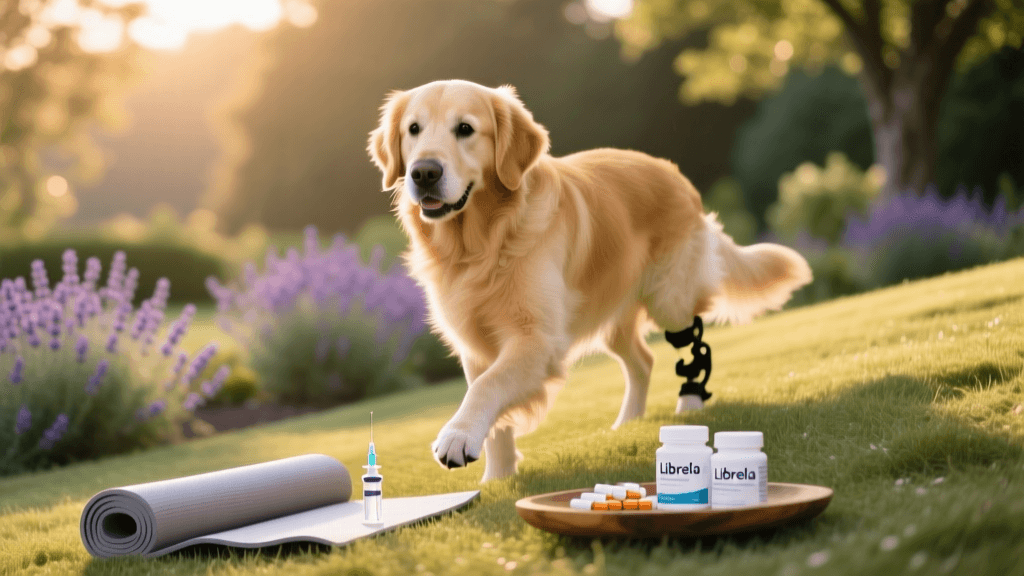
The most significant paradigm shift in canine OA management over the last few years has been the widespread adoption and long-term validation of Librela (bedinvetmab). Librela is a fully caninized monoclonal antibody that specifically targets and neutralizes Nerve Growth Factor (NGF). NGF is a protein that plays a critical role in the transmission of pain signals from the joints to the brain. By binding to NGF, Librela effectively blocks the pain signal at its source before it ever reaches the central nervous system.
Unlike traditional NSAIDs, which inhibit cyclooxygenase (COX) enzymes and can inadvertently compromise the protective mucosal lining of the stomach or reduce blood flow to the kidneys, Librela is metabolized via cellular degradation, much like the dog's own endogenous proteins. This means it bypasses the liver and kidneys, making it an exceptionally safe option for senior dogs or those with pre-existing conditions like chronic kidney disease (CKD).
According to Zoetis Petcare's official Librela resource, multi-year safety and efficacy data collected through 2025 and 2026 confirm that monthly subcutaneous injections provide sustained pain relief without the organ toxicity associated with chronic NSAID use. Most pet owners report a noticeable improvement in their dog's mobility, willingness to climb stairs, and overall zest for life within the first two to four weeks of starting the monthly injection protocol.
Building a Multi-Modal Osteoarthritis Management Plan
While Librela is a game-changer for pain management, treating canine OA requires a comprehensive, multi-modal strategy. Pain relief alone does not stop the mechanical degradation of the joint. To truly manage the disease in 2026, veterinarians recommend integrating the following pillars into your dog's care plan.
1. Strict Weight Management and Targeted Nutrition
Weight management is arguably the single most effective non-pharmacological intervention for canine OA. Excess body fat does not just add mechanical load to compromised joints; adipose tissue is metabolically active and secretes pro-inflammatory cytokines (adipokines) that exacerbate joint inflammation. Every extra pound of body weight places roughly four pounds of additional pressure on a dog's joints during movement.
Work with your veterinarian to determine your dog's ideal Body Condition Score (BCS) on a 9-point scale, aiming for a lean 4 or 5. For dogs requiring weight loss, prescription metabolic diets or carefully portioned fresh-food diets are recommended. Additionally, veterinary therapeutic diets formulated for joint health, such as Hill's Prescription Diet j/d or Royal Canin Mobility Support, contain clinically proven levels of joint-supporting nutrients and omega-3 fatty acids.
2. Targeted Physical Rehabilitation
Physical therapy is crucial for maintaining muscle mass, which acts as a shock absorber for arthritic joints. In 2026, canine rehabilitation centers offer advanced modalities:
- Hydrotherapy (Underwater Treadmill): The buoyancy of the water reduces joint loading while the viscosity provides gentle resistance to build muscle strength and improve range of motion.
- Class IV Cold Laser Therapy (Photobiomodulation): This non-invasive treatment uses specific wavelengths of light to penetrate tissues, stimulating cellular ATP production, reducing localized inflammation, and accelerating tissue repair.
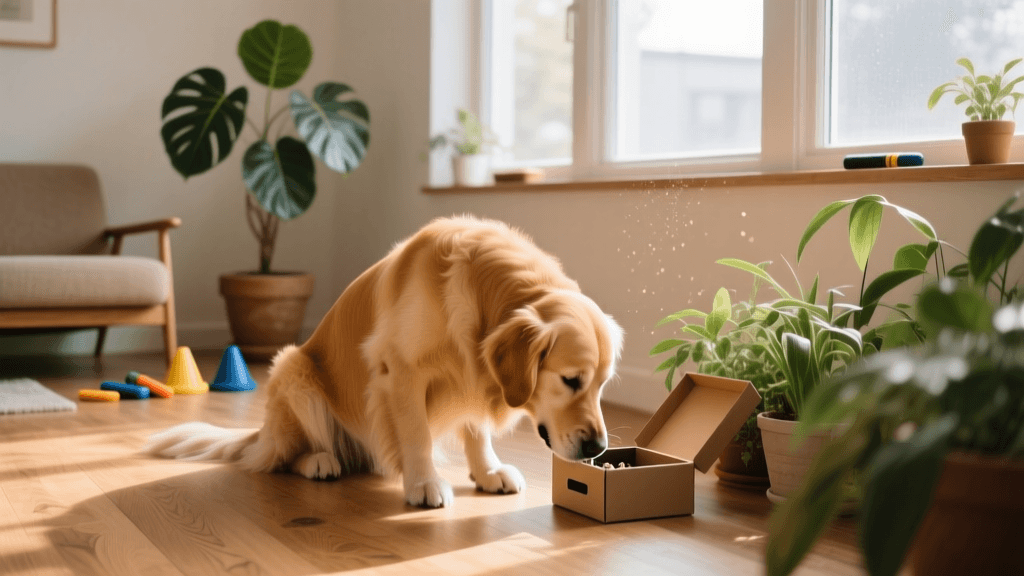
- Therapeutic Exercises: Certified canine rehabilitation therapists (CCRT) can teach you targeted exercises, such as cavaletti pole work and balance board training, to improve proprioception and core stability at home.
3. Next-Generation Nutraceuticals
The supplement market has matured, and veterinarians now recommend specific, clinically backed nutraceuticals rather than generic joint chews. When selecting a supplement, look for the National Animal Supplement Council (NASC) seal of quality. Key ingredients for 2026 include:
- Omega-3 Fatty Acids (EPA and DHA): High doses of marine-derived EPA (eicosapentaenoic acid) inhibit the enzymatic destruction of cartilage. The therapeutic dose is typically 75 to 100 mg of combined EPA/DHA per kilogram of body weight daily.
- Undenatured Type II Collagen (UC-II): Unlike traditional glucosamine and chondroitin which provide building blocks for cartilage, UC-II works via oral tolerance. It modulates the immune system to stop attacking the dog's own joint cartilage, significantly reducing inflammation.
- Green-Lipped Mussel (GLM): Sourced from New Zealand, GLM provides a unique profile of omega-3s, glycosaminoglycans, and antioxidants that synergistically support joint health.
4. Environmental Modifications
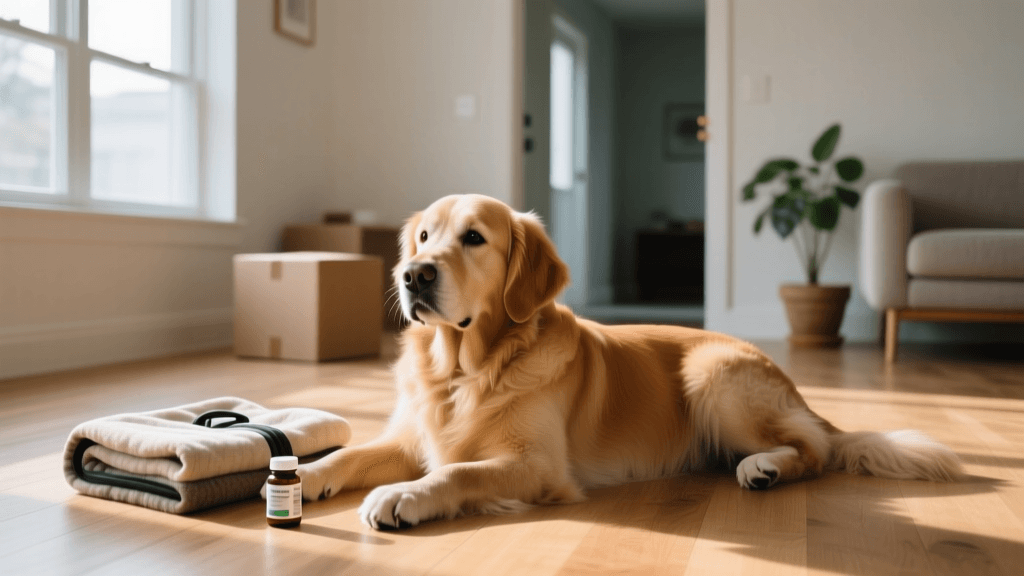
Adapting your home environment is essential to prevent micro-traumas that worsen OA. Place high-density orthopedic memory foam beds (at least 4 inches thick) in your dog's favorite resting spots to relieve pressure on their hips and elbows. Use ramps or pet stairs to help them access vehicles, couches, and beds. Finally, cover slippery hardwood or tile floors with non-slip rugs or yoga mats to provide secure traction, preventing the painful joint sprains that occur when a dog's legs splay out.
2026 Canine Osteoarthritis Treatment Comparison Chart
To help you understand the current landscape of OA treatments, below is a comparison of the most common therapies utilized by veterinarians today.
| Treatment Modality | Primary Mechanism | 2026 Estimated Monthly Cost | Best Use Case | Safety Profile & Considerations |
|---|---|---|---|---|
| Librela (Bedinvetmab) | Anti-NGF Monoclonal Antibody | $45 - $110 (Weight-dependent) | Long-term pain management, senior dogs, dogs with renal/hepatic issues | Excellent; bypasses liver/kidneys. Rare injection site reactions. |
| NSAIDs (e.g., Carprofen, Meloxicam) | COX Enzyme Inhibition | $30 - $80 | Acute flare-ups, dogs not responding fully to biologics | Requires regular bloodwork; risk of GI, renal, or hepatic toxicity. |
| Gabapentin / Amantadine | Neuropathic Pain Modulation | $15 - $40 | Adjunct therapy for severe, chronic, or neuropathic pain components | Can cause sedation or ataxia; requires careful dose titration. |
| Adequan (Polysulfated Glycosaminoglycan) | Disease-Modifying Osteoarthritis Drug (DMOAD) | $50 - $90 (Series based) | Early-stage OA to inhibit cartilage-degrading enzymes | Very safe; administered via intramuscular injection series. |
| Advanced Nutraceuticals (UC-II, EPA) | Immune modulation & Inflammation reduction | $25 - $60 | Preventative care, mild OA, or as an adjunct to pharmaceuticals | Extremely safe; minimal side effects. Takes 4-6 weeks for full effect. |
Aligning with Global Pain Management Guidelines
The multi-modal approach is not just a trend; it is the globally recognized standard of care. The WSAVA Global Pain Council strongly advocates for combining pharmacological interventions with physical and environmental modifications to achieve the best outcomes for companion animals. By attacking the disease from multiple angles—blocking pain signals, reducing mechanical stress, and modulating inflammation—veterinarians can offer dogs a significantly higher quality of life than was possible a decade ago.
Monitoring and Adjusting Your Dog's Care Plan
Osteoarthritis is a progressive disease, meaning your dog's treatment plan will need to evolve over time. In 2026, veterinarians frequently utilize the Liverpool Osteoarthritis in Dogs (LOAD) questionnaire. This is a validated, owner-completed assessment tool that tracks your dog's mobility during specific activities, such as walking, playing, and rising from rest. Completing a LOAD assessment every three months helps your veterinarian objectively measure the success of the current protocol and determine if adjustments, such as adding a neuropathic pain medication or increasing hydrotherapy sessions, are necessary.
Ultimately, managing canine osteoarthritis requires a dedicated partnership between you and your veterinary team. By leveraging modern biologic therapies like Librela, committing to strict weight management, and optimizing your dog's environment, you can ensure your beloved companion remains active, comfortable, and happy well into their golden years.
marcus-aldridge
All our authors care for dogs every day — read more of their work on the authors page.