Dog Gut Health and Anxiety Relief for a 2026 Cross-Country Move
Discover how to protect your dog's gut microbiome and manage anxiety during a 2026 cross-country move with expert-backed protocols and supplements.
Relocating across the country is a monumental life transition, not just for you, but for your canine companion. As remote work and lifestyle shifts continue to drive cross-country moves in 2026, veterinary professionals are seeing a sharp increase in relocation-induced canine stress. While most pet owners focus on the logistics of transporting their dog, the hidden physiological toll—specifically the impact on the gut-brain axis and cortisol levels—is often overlooked until the dog develops severe gastrointestinal distress or behavioral regression.
Protecting your dog's health during a major life transition requires a proactive, science-backed approach. By understanding how environmental stressors disrupt the canine microbiome and implementing a targeted pre-move protocol, you can ensure your dog arrives at your new home physically healthy and mentally balanced.
The Gut-Brain Axis: Why Relocation Wrecks Canine Digestion
In recent years, veterinary science has heavily emphasized the gut-brain axis in dogs. The enteric nervous system, often referred to as the 'second brain,' is in constant communication with the central nervous system via the vagus nerve. When your dog experiences the chaos of packing, unfamiliar transit, and a new environment, their body releases a surge of cortisol and adrenaline.
This chronic stress response directly alters the composition of the gut microbiome, leading to a condition known as dysbiosis. Beneficial bacteria populations plummet, while opportunistic pathogens thrive. The result is often stress-induced colitis, characterized by diarrhea, vomiting, and a compromised immune system. According to behavioral health resources from the American Kennel Club (AKC), untreated anxiety in dogs can manifest physically, making gut support just as critical as behavioral training during a move.
The 4-Week Pre-Move Microbiome Protocol
To build resilience against relocation stress, you must fortify your dog's digestive tract before the first moving box is even packed. Starting four weeks prior to your departure date, implement the following protocol.
Step 1: Introduce Targeted Probiotics
Not all probiotics are created equal. For stress-induced dysbiosis, you need specific, clinically proven strains. In 2026, veterinary nutritionists continue to recommend Enterococcus faecium SF68 (found in Purina Pro Plan Veterinary Diets FortiFlora) and Bifidobacterium animalis AHC7 (found in Nutramax Proviable-DC). Begin administering the recommended daily dose four weeks out to allow the beneficial bacteria to colonize the intestinal lining and stabilize the gut environment before stress levels peak.
Step 2: Incorporate Prebiotic Fiber
Probiotics need fuel to survive and multiply. Introduce a soluble, fermentable fiber source such as pumpkin puree (100% pure pumpkin, not pie filling) or a dedicated prebiotic supplement containing fructooligosaccharides (FOS) and mannanoligosaccharides (MOS). Start with one teaspoon per 10 pounds of body weight mixed into their morning meal. This feeds the good bacteria and helps firm up stools, providing a buffer against stress-induced diarrhea.
Step 3: Maintain Strict Dietary Consistency
A life transition is the absolute worst time to experiment with new dog foods, novel proteins, or raw diets. Keep your dog on their current, well-tolerated kibble or canned diet. If you plan to switch their food for the new home, wait until at least three weeks after you have fully settled into your new environment.
Transit Day: Managing Cortisol and Motion Sickness
The day of the move is a sensory overload. The combination of physical movement and emotional stress can trigger severe motion sickness and panic. To mitigate this, utilize a multi-modal calming approach.
- Pheromone Therapy: Fit your dog with an Adaptil Calm Collar at least 48 hours before departure. The synthetic dog-appeasing pheromone (DAP) mimics the comforting signals of a nursing mother, helping to lower baseline anxiety in the car or cargo hold.
- Nutraceutical Calming Chews: Administer a high-quality calming chew containing L-theanine (an amino acid that promotes alpha brain waves) and L-tryptophan 90 minutes before loading the car. For a 50-pound dog, a minimum of 200mg of L-theanine is generally recommended by veterinary behaviorists.
- Fasting and Hydration: Withhold solid food for 6 to 8 hours before transit to prevent nausea and vomiting. However, ensure continuous access to water. Bring a gallon of tap water from your current home; the familiar mineral taste can be subtly comforting and encourages hydration in a new environment.
Comparison Chart: 2026 Top Stress-Relief and Gut-Support Supplements
When preparing for a cross-country move, selecting the right combination of supplements is vital. Below is a comparison of the most effective, vet-recommended categories available in 2026.
| Supplement Category | Key Active Ingredients | Primary Benefit During a Move | When to Start |
|---|---|---|---|
| Targeted Probiotics | E. faecium SF68, B. animalis AHC7 | Prevents stress-colitis and maintains stool quality | 4 Weeks Pre-Move |
| Amino Acid Calmatives | L-Theanine, L-Tryptophan, Colostrum | Reduces acute panic, pacing, and vocalization | 2 Weeks Pre-Move (Daily) + Transit Day |
| Synthetic Pheromones | Dog-Appeasing Pheromone (DAP) | Provides a continuous background sense of security | 48 Hours Pre-Transit |
| Prebiotic Soluble Fiber | FOS, MOS, Pure Pumpkin | Fuels good bacteria, bulks stool, prevents diarrhea | 2 Weeks Pre-Move |
The First 72 Hours: Decompression in the New Environment
Arriving at your new home is not the finish line; it is the beginning of the decompression phase. The ASPCA emphasizes that pets need time to adjust to new sights, sounds, and smells. Rushing this process can lead to long-term behavioral issues and prolonged gastrointestinal upset.
Establish a 'Safe Room'
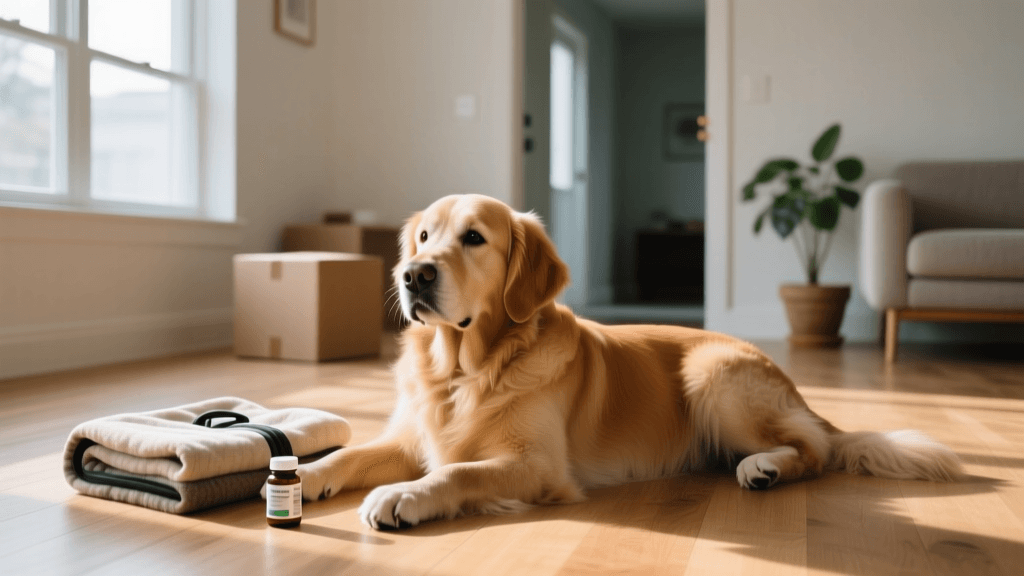
Before you bring your dog inside, set up a single, quiet room (like a spare bedroom or a large bathroom) with their familiar bed, unwashed blankets, and water bowl. The scent of their old home on unwashed items provides immense psychological comfort. Keep them confined to this space while the moving crew brings in furniture, preventing them from bolting out an open door or being stepped on.
Stick to the Old Schedule
Dogs thrive on predictability. If your dog was used to a 6:30 AM walk and a 5:30 PM dinner in your old house, replicate that exact schedule in the new one, adjusting for time zones if necessary. Routine signals to the brain that the environment is safe, which in turn lowers cortisol and allows the gut microbiome to stabilize.
Utilize White Noise
New neighborhoods mean new noises: different traffic patterns, unfamiliar wildlife, and new neighbors. Use a white noise machine or a fan in your dog's safe room to drown out sudden, startling sounds that could trigger anxiety spikes during the night.
When to Seek Professional Veterinary Behaviorist Help
While mild stress and a brief bout of soft stools are normal during a cross-country move, certain red flags indicate that your dog is failing to cope with the transition. According to guidelines from the American Veterinary Medical Association (AVMA), you should contact a local veterinarian or a certified veterinary behaviorist immediately if you observe the following:
- Refusal to Eat or Drink: If your dog has not eaten for 48 hours or shows signs of dehydration (tacky gums, loss of skin elasticity).
- Severe Gastrointestinal Distress: Diarrhea containing frank blood, mucous, or accompanied by repeated vomiting.
- Destructive or Aggressive Behavior: Incessant pacing, destructive chewing of walls or doors, or uncharacteristic aggression when approached.
- Compulsive Behaviors: Excessive licking of the paws or flanks to the point of hair loss or skin breakdown (lick granulomas).
'A successful life transition with a dog isn't just about getting them from Point A to Point B. It's about managing their internal physiological landscape so they have the resilience to embrace their new home.' — 2026 Consensus on Canine Relocation Stress
By prioritizing your dog's gut health and proactively managing their anxiety, you transform a potentially traumatic cross-country move into a manageable life transition. With the right 2026 protocols, targeted supplements, and a patient decompression strategy, your dog will be ready to explore their new backyard with confidence and a healthy digestive system.
marcus-aldridge
All our authors care for dogs every day — read more of their work on the authors page.