Managing Canine Osteoarthritis in 2026: Librela & Home Ramps
Discover how to manage canine osteoarthritis in 2026 using Librela injections and orthopedic ramps to keep your senior dog mobile, comfortable, and happy.
The Reality of Canine Osteoarthritis in 2026
Sharing your life with a senior dog is a profound privilege, but it often comes with the heartbreak of watching your once-boundless companion struggle with basic mobility. Canine osteoarthritis (OA), or degenerative joint disease, is a progressive condition that affects the cartilage and surrounding structures of the joints. According to the American Kennel Club (AKC), osteoarthritis is the most common joint disease in dogs, affecting an estimated 80% of dogs over the age of eight. As we navigate 2026, the landscape of canine pain management and home accessibility has evolved dramatically, offering pet parents more effective, targeted, and holistic ways to maintain their dog's quality of life.
Living with an arthritic dog requires a fundamental shift in your daily routine and home environment. It is no longer just about managing pain; it is about proactively designing a lifestyle that minimizes joint stress while maximizing comfort and joy. In this comprehensive guide, we will explore the gold-standard biologic treatments available in 2026, specifically Librela, and how to pair them with strategic home modifications like orthopedic ramps to create a sanctuary for your aging dog.
The Game Changer: Librela (Bedinvetmab) Injections
For decades, the cornerstone of osteoarthritis management relied heavily on Non-Steroidal Anti-Inflammatory Drugs (NSAIDs). While effective, NSAIDs can pose risks to the liver, kidneys, and gastrointestinal tract, especially in senior dogs with pre-existing conditions. The introduction and subsequent widespread stabilization of Librela (bedinvetmab) has fundamentally shifted the 2026 standard of care for canine OA.
How Librela Works
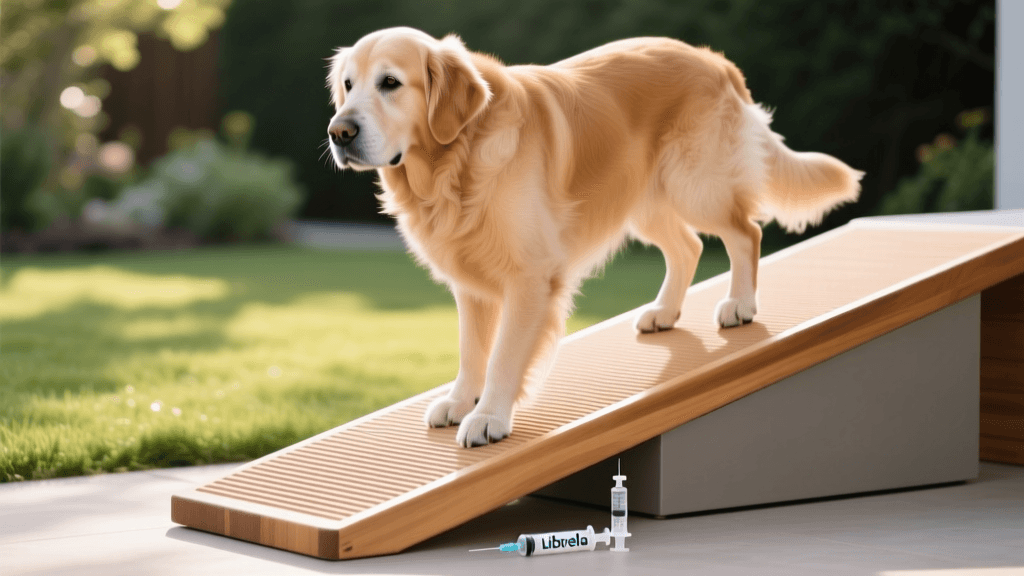
Librela is a monoclonal antibody (mAb) that specifically targets and neutralizes Nerve Growth Factor (NGF). NGF is a protein that becomes elevated in arthritic joints and plays a primary role in transmitting pain signals to the brain. By binding to NGF, Librela effectively blocks the pain signal at the source before it ever reaches the central nervous system. Because it is a protein-based biologic rather than a chemical drug, it is metabolized via cellular degradation, meaning it bypasses the liver and kidneys entirely.
2026 Availability, Administration, and Cost
Following the supply chain bottlenecks of the early 2020s, veterinary clinics in 2026 have largely stabilized their inventory of Librela. The treatment is administered as a simple subcutaneous injection by your veterinarian once a month.
- Dosage: Based on the dog's weight, ranging from small breeds to giant breeds.
- 2026 Average Cost: Expect to pay between $150 and $275 per monthly injection, depending on your dog's weight tier and regional veterinary pricing.
- Onset of Action: While some dogs show improvement within days, it typically takes two to three monthly loading doses to achieve peak efficacy and noticeable mobility restoration.
Modifying Your Home: Orthopedic Ramps and Traction
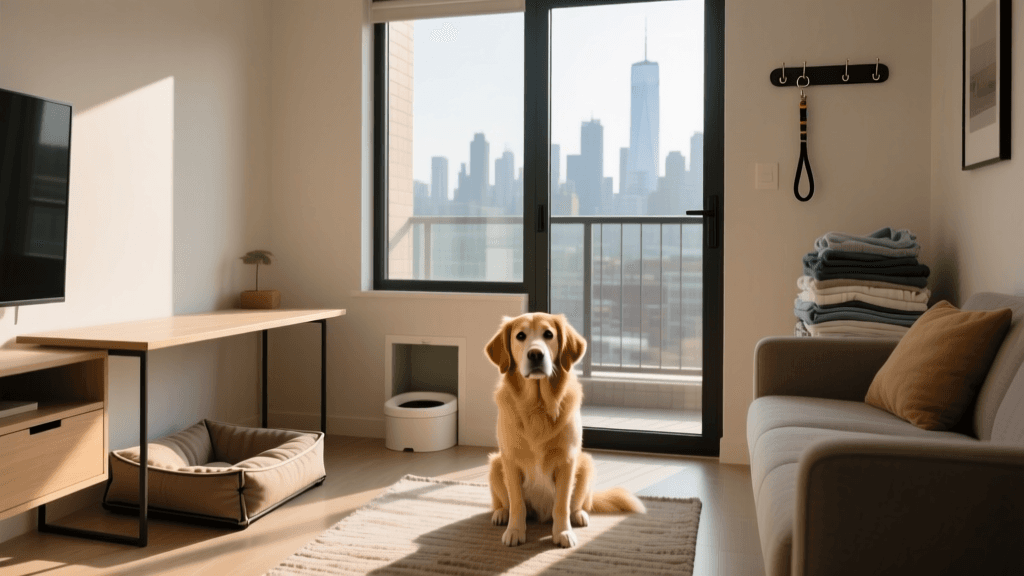
Medication is only half the battle. The physical environment of your home dictates how much mechanical stress your dog's joints endure daily. Jumping on and off furniture or navigating slippery hardwood floors can cause micro-traumas that exacerbate OA inflammation. Implementing orthopedic ramps and traction solutions is a non-negotiable aspect of 2026 canine home care.
The Mathematics of Dog Ramps
Not all ramps are created equal. A ramp that is too steep will cause your dog to hesitate, slip, or put excessive strain on their hindquarters. Veterinary physical therapists recommend a 1:4 slope ratio for senior or arthritic dogs. This means for every 1 inch of vertical rise, you need 4 inches of ramp length.
- Sofa (24 inches high): Requires a minimum 96-inch (8-foot) ramp.
- Bed (30 inches high): Requires a minimum 120-inch (10-foot) ramp.
- SUV Hatchback (36 inches high): Requires a minimum 144-inch (12-foot) ramp or a specialized multi-fold telescoping ramp.
Top Ramp Recommendations for 2026
When selecting a ramp, prioritize surface traction and structural rigidity. The Pet Gear Tri-Fold Ramp remains a top choice for vehicles due to its reflective edging and high-traction grip tape. For indoor furniture, the Solvit Wood Pet Ramp offers a sturdy, aesthetically pleasing option with a ridged carpet surface that provides excellent paw grip without being abrasive to sensitive paw pads.
Flooring and Traction
Hardwood, tile, and laminate floors are the enemies of arthritic dogs. When a dog's paws slip, their adductor muscles spasm to prevent a fall, causing severe secondary muscle pain. Cover high-traffic pathways with interlocking foam mats or low-pile runner rugs secured with non-slip rug tape. For targeted paw grip, veterinary-approved products like PawFriction (a safe, non-toxic paw coating) or ToeGrips (silicone bands placed on the claws) can provide immediate traction without the need for bulky dog boots.
Daily Routine Adjustments for Arthritic Dogs
The AAHA Pain Management Guidelines emphasize that 'motion is lotion' for arthritic joints. Complete rest leads to muscle atrophy and joint stiffness, while overexertion leads to inflammatory flare-ups. The goal in 2026 is structured, low-impact movement.
The 'Sniffari' and Decompression Walks
Replace long, brisk neighborhood walks with 'Sniffaris'—short, 15-minute outings where the dog sets the pace and is allowed to sniff extensively. Mental enrichment through scent work tires a dog out just as effectively as physical exercise, without the repetitive joint impact. Use a front-clip harness to distribute pressure evenly across the chest rather than the neck and spine.
Warm-Up and Cool-Down Therapies
Before morning walks, spend five minutes gently massaging your dog's major muscle groups (shoulders, glutes, and thighs) to increase blood flow. After exercise, apply a warm compress to stiff joints for 10 minutes to soothe muscle tension. Ensure your dog sleeps on a high-density orthopedic memory foam bed, such as the Big Barker, which prevents their joints from bottoming out against the hard floor during the night.
Comparison Table: 2026 Osteoarthritis Treatment Options
Understanding how Librela fits into the broader pharmacological landscape helps you have informed discussions with your veterinarian. Below is a comparison of the most common OA treatments utilized in 2026.
| Treatment Type | Mechanism of Action | Administration | 2026 Avg Monthly Cost | Best For |
|---|---|---|---|---|
| Librela (Bedinvetmab) | Monoclonal antibody targeting NGF to block pain signals. | Veterinary subcutaneous injection (once monthly). | $150 - $275 | Dogs with renal/hepatic issues; long-term baseline pain control. |
| NSAIDs (e.g., Carprofen, Meloxicam) | Inhibits COX enzymes to reduce joint inflammation and pain. | Daily oral chew or liquid. | $40 - $90 | Acute flare-ups; dogs needing active inflammation reduction. |
| Gabapentin | Binds to calcium channels in the CNS to reduce neuropathic pain. | Oral capsule (2 to 3 times daily). | $20 - $50 | Dogs with secondary nerve pain or spinal issues (e.g., IVDD). |
| Adequan Injections | Polysulfated glycosaminoglycan (PSGAG) that supports cartilage health. | IM injection (loading dose, then monthly). | $60 - $120 | Early-stage OA; joint structure preservation. |
Nutrition, Weight Management, and Supplements
No treatment plan is complete without addressing the physical load placed on the joints. The ASPCA highlights that weight management is the single most effective non-pharmacological intervention for canine osteoarthritis. An arthritic dog should be kept at a lean Body Condition Score (BCS) of 4 out of 9, where the ribs are easily felt without a thick fat covering, and an abdominal tuck is clearly visible.
Targeted Joint Supplements
In 2026, veterinary nutritionists recommend moving beyond generic glucosamine chews and focusing on high-concentration Omega-3 fatty acids, specifically EPA and DHA derived from wild-caught fish oil or green-lipped mussel extract. These fatty acids actively disrupt the inflammatory cascade within the joint capsule. Look for supplements that provide a combined EPA/DHA dose of at least 1,000 mg per 20 lbs of body weight daily, and always store liquid oils in the refrigerator to prevent oxidation.
Conclusion: Embracing the Golden Years
Living with a dog suffering from osteoarthritis requires patience, observation, and a willingness to adapt your shared environment. By leveraging advanced biologic therapies like Librela to manage pain at the neurological level, and pairing them with meticulous home modifications like properly sloped orthopedic ramps and traction mats, you can dramatically alter the trajectory of your dog's senior years. The goal in 2026 is not just to add years to your dog's life, but to add vibrant, comfortable, and mobile life to their years. Consult with your veterinarian to build a customized, multimodal pain management plan, and transform your home into a safe haven where your best friend can continue to thrive.
beth-carrasco
All our authors care for dogs every day — read more of their work on the authors page.