Dog Exercise Myths Debunked: Facts on Daily Routines
Discover the truth behind common dog exercise myths. Learn factual daily routine tips, backyard play facts, and actionable walking advice for your pup.
Introduction: Navigating the Noise in Dog Care
As devoted dog owners, we want the absolute best for our furry companions. We scour the internet for advice on nutrition, training, and daily routines. However, the pet care space is flooded with outdated information, well-meaning but incorrect anecdotes, and outright myths. When it comes to daily routines and exercise, these misconceptions can lead to behavioral issues, obesity, or unnecessary stress for your dog. At Paws-Tales, we believe in evidence-based care. In this comprehensive guide, we are separating fact from fiction. We will debunk five of the most pervasive myths about dog exercise and daily routines, providing you with actionable, science-backed advice to optimize your life with your dog.
Myth 1: A Fenced Backyard Replaces the Need for Daily Walks
The Myth: If you have a securely fenced yard, your dog can just run around outside whenever they want, eliminating the need for structured daily walks.
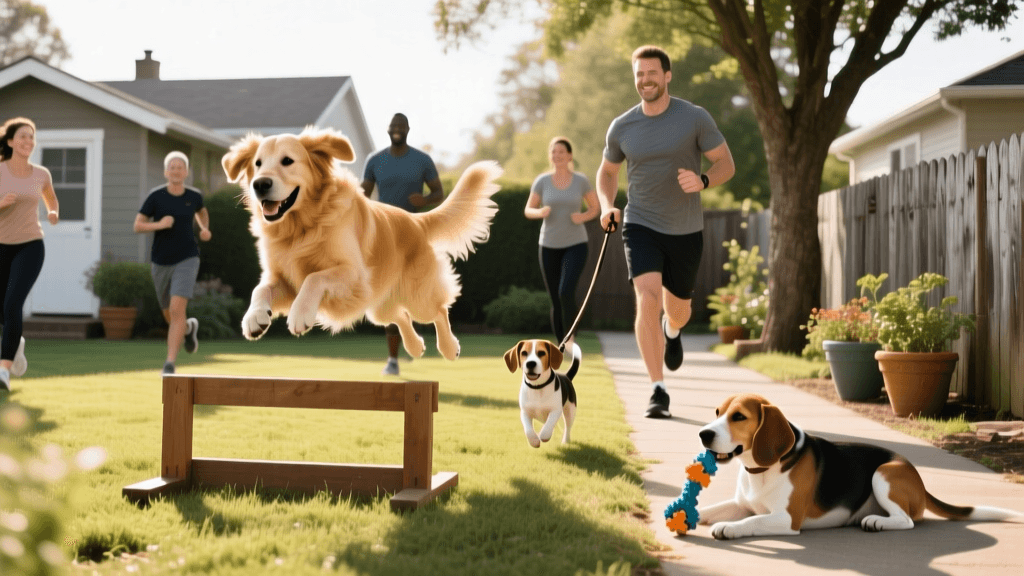
The Fact: To a dog, a backyard is essentially a large, familiar room. While it is a great place for bathroom breaks and a quick game of fetch, it does not provide the mental stimulation or the varied physical exertion that a walk offers. Dogs do not typically 'exercise themselves' in a yard; instead, they often engage in perimeter patrolling or simply lie down once they have sniffed their usual spots.
According to the Humane Society of the United States, walking provides crucial mental enrichment through new sights, sounds, and, most importantly, smells. A highly recommended routine adjustment is the 'Sniffari' walk. Instead of forcing your dog to heel at a brisk pace for 30 minutes, dedicate 15 to 20 minutes to letting them lead the way and sniff as much as they want. Canine behaviorists note that 15 minutes of intense sniffing can tire a dog out as much as an hour of physical walking, due to the heavy cognitive processing required to decode scent markers.
Actionable Advice for Backyard Owners
- Morning Routine: Take a 20-minute structured walk around the neighborhood before work to provide mental enrichment.
- Afternoon Yard Time: Use the backyard for a 10-minute high-intensity game of fetch using a Chuckit! Ultra Ball (approx. $12) or a flirt pole (approx. $25) to burn off physical energy.
- Evening Routine: End the day with a slow, decompression 'Sniffari' walk to help your dog wind down for sleep.
Myth 2: All Dogs Need at Least an Hour of Vigorous Exercise Daily
The Myth: Every single dog, regardless of breed or age, requires a minimum of 60 minutes of intense, sweat-inducing exercise every day to be happy and healthy.
The Fact: Exercise requirements are incredibly diverse and depend heavily on breed, age, size, and underlying health conditions. While a Border Collie might become destructive without 90 minutes of vigorous activity, a French Bulldog could suffer from heatstroke or respiratory distress if forced into the same routine. The American Kennel Club emphasizes that tailoring exercise to your specific dog's genetic makeup and physical limitations is vital for their long-term well-being.
Brachycephalic (flat-faced) breeds, giant breeds, and toy breeds have vastly different thresholds compared to working or sporting breeds. Over-exercising a growing puppy can also cause irreversible damage to their developing growth plates.
Breed-Specific Exercise Guidelines
Below is a structured comparison chart to help you gauge the baseline daily exercise needs for different canine profiles. Remember, these are averages and should be adjusted based on your individual dog's health.
| Breed Profile | Example Breeds | Daily Exercise Need | Recommended Activity Type |
|---|---|---|---|
| Working / Herding | Border Collie, German Shepherd, Husky | 90 - 120+ minutes | Agility, advanced fetch, hiking, structured running |
| Sporting / Gun Dogs | Golden Retriever, Labrador, Pointer | 60 - 90 minutes | Swimming, long brisk walks, retrieving games |
| Terriers | Jack Russell, Rat Terrier, Bull Terrier | 45 - 60 minutes | Earth dog trials, flirt pole, interactive play |
| Toy / Companion | Pug, Cavalier King Charles, Shih Tzu | 30 - 45 minutes | Leisurely neighborhood strolls, indoor play |
| Brachycephalic / Giant | French Bulldog, Great Dane, Mastiff | 20 - 40 minutes | Short, slow walks (avoiding heat), gentle sniffing |
Myth 3: Physical Exhaustion is More Important Than Mental Stimulation
The Myth: A tired dog is a good dog, and the only way to achieve this is through relentless physical exercise like running or endless games of fetch.
The Fact: While physical health is crucial, cognitive fatigue is equally, if not more, important for behavioral stability. A dog that is only physically exercised without mental challenges can become an 'endurance athlete' who requires more and more physical exertion just to settle down, yet remains mentally anxious and hyperactive. Mental stimulation builds neural pathways, reduces stress, and satisfies natural foraging instincts.
Actionable Routine Additions:
- Ditch the Food Bowl: Stop feeding your dog from a standard stainless steel bowl. Instead, use their daily kibble ration for training sessions or scatter it in the grass for them to forage.
- Invest in Puzzle Toys: The Outward Hound Nina Ottosson Dog Brick Puzzle (approx. $20-$30) is an excellent entry-level cognitive challenge. For heavy chewers, the classic Kong ($15-$20) stuffed with frozen plain yogurt and pumpkin puree provides 30 minutes of focused licking and problem-solving.
- Snuffle Mats: A high-quality snuffle mat ($25-$40) mimics the act of foraging in deep grass. Hiding high-value treats like freeze-dried minnows or small pieces of boiled chicken breast in the mat can keep a dog engaged for 15 minutes, burning mental energy efficiently.
Myth 4: Senior Dogs Should Rest and Avoid Exercise
The Myth: Once a dog reaches their senior years (typically 7+ years, depending on size), they should be allowed to sleep all day and skip walks to 'save their joints'.
The Fact: While it is true that senior dogs cannot handle the same intensity or duration of exercise they did in their youth, completely removing exercise leads to rapid muscle atrophy, weight gain, and severe joint stiffness. Consistent, low-impact movement is essential to maintain mobility, manage arthritis, and keep their cognitive functions sharp. The Kennel Club advises that older dogs benefit greatly from shorter, more frequent walks rather than one long, exhausting trek.
Optimizing the Senior Dog Routine
- Frequency over Duration: Swap one 45-minute walk for three 15-minute gentle strolls spread throughout the day.
- Surface Matters: Avoid walking on hard concrete or slippery indoor floors. Stick to grass, dirt trails, or use non-slip dog socks indoors to protect aging hips.
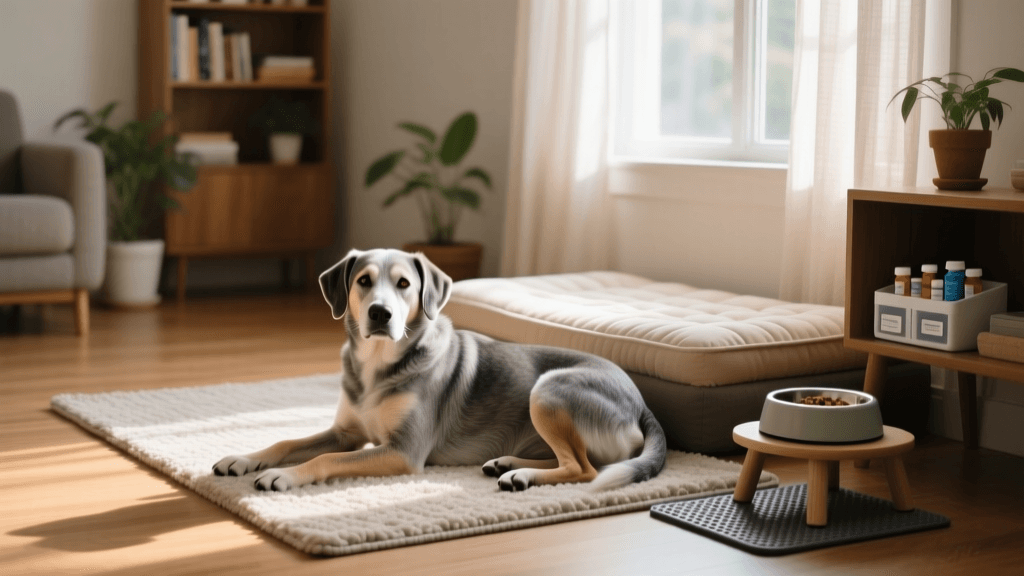
- Supplementation and Comfort: Consult your veterinarian about adding a joint supplement containing glucosamine, chondroitin, and MSM (such as Dasuquin or Cosequin, costing roughly $30-$60 for a supply). Additionally, invest in a high-density orthopedic memory foam bed ($80-$150) to support their joints during rest periods.
Myth 5: Good Recall Means Your Dog is Safe Off-Leash Anywhere
The Myth: If your dog has a reliable recall command at home or in the local park, it is safe to let them off-leash in unfenced, wild, or high-traffic areas.
The Fact: Prey drive and environmental distractions can instantly override years of obedience training. A sudden squirrel, a deer, or even a distant dog can trigger an instinctual chase response where your dog literally cannot hear your commands. Furthermore, off-leash dogs in unapproved areas pose severe risks to local wildlife, livestock, and reactive dogs on leashes, not to mention the danger of traffic or hidden hazards like discarded food or toxic plants.
Safe Alternatives for Off-Leash Freedom:
- Use a Long-Line: A 15-foot to 30-foot biothane long-line ($25-$45) gives your dog the illusion of freedom and allows them to run and sniff while keeping you in ultimate control. Biothane is preferred over nylon as it does not absorb mud or water and is easy to wipe clean.
- GPS Tracking Collars: If you are hiking in approved off-leash areas, equip your dog with a GPS tracker. Devices like the Fi Series 3 or Whistle Go Secure (approx. $100-$150 upfront, plus a $5-$10 monthly subscription) provide real-time location tracking and escape alerts directly to your smartphone.
- Rent Private Spaces: Utilize apps like Sniffspot to rent fully fenced, private backyards by the hour (typically $10-$20 per hour). This provides a 100% safe environment for your dog to run freely without the risks associated with public, unfenced spaces.
Conclusion: Building a Fact-Based Routine
Life with your dog is incredibly rewarding, but it requires a commitment to understanding their true biological and psychological needs. By debunking these common myths, you can transition away from outdated practices and build a daily routine that genuinely supports your dog's physical health and mental well-being. Remember that a fenced yard is a supplement, not a substitute, for a good walk. Recognize that mental stimulation is just as tiring as physical exercise, and understand that exercise must be tailored to your dog's specific breed profile and life stage. By incorporating structured sniffing, puzzle feeders, and safe, controlled freedom, you will not only have a better-behaved dog but a much happier and healthier companion for years to come.
tom-renshaw
All our authors care for dogs every day — read more of their work on the authors page.