Librela for Canine OA in 2026: Home Care & Mobility Guide
Discover how to manage canine osteoarthritis in 2026 using Librela injections, targeted home modifications, and daily routines to keep your senior dog mobile.
The 2026 Landscape of Canine Osteoarthritis Treatment
Osteoarthritis (OA) is a progressive, degenerative joint disease that affects a significant portion of the senior dog population. As our canine companions age, the cartilage that cushions their joints wears down, leading to inflammation, chronic pain, and a noticeable decrease in mobility. For years, managing this condition relied heavily on daily oral NSAIDs (non-steroidal anti-inflammatory drugs) and weight management. However, the veterinary landscape in 2026 has shifted dramatically. Today, the gold standard for canine OA treatment involves a multimodal approach, spearheaded by anti-NGF (Nerve Growth Factor) monoclonal antibody therapies like Librela, combined with strategic home modifications and targeted lifestyle adjustments.
According to the American Kennel Club (AKC), early intervention and consistent environmental management are critical to preserving a dog's quality of life. In this comprehensive guide, we will explore how to integrate modern 2026 OA treatments into your daily routine, optimize your home environment for an arthritic dog, and ensure your furry friend remains comfortable and active in their golden years.
How Librela (Bedinvetmab) is Changing OA Management
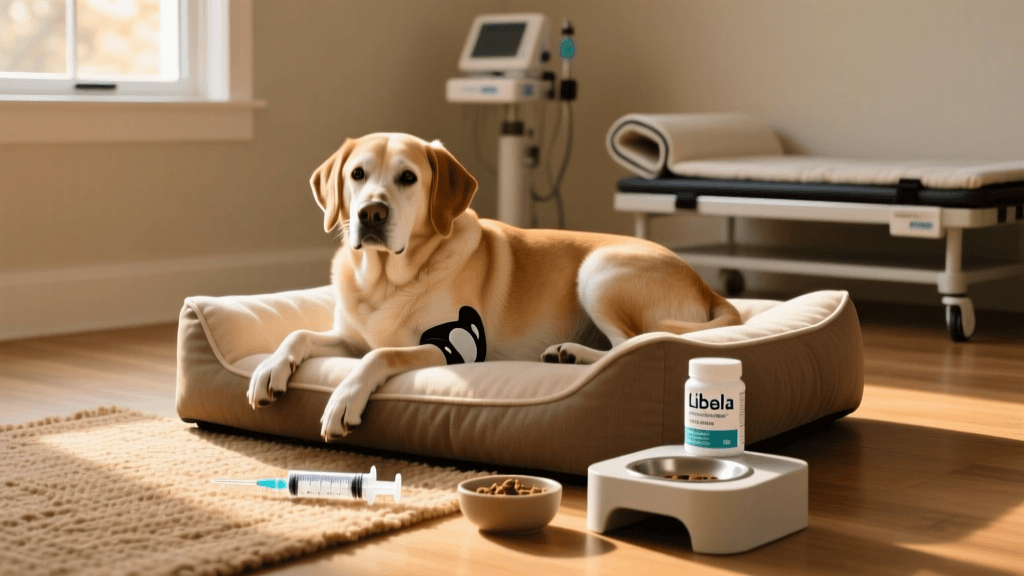
Librela (bedinvetmab) has revolutionized canine pain management. Unlike traditional NSAIDs that target inflammation pathways and can sometimes cause gastrointestinal or renal side effects with long-term use, Librela is a monoclonal antibody that specifically targets and neutralizes Nerve Growth Factor (NGF). NGF is a key protein involved in the transmission of pain signals in arthritic joints. By binding to NGF, Librela effectively blocks the pain signal from reaching the brain.
Administered as a once-monthly subcutaneous injection by your veterinarian, Librela offers a highly convenient and effective solution for chronic OA pain. As of 2026, the cost of Librela typically ranges from $90 to $140 per monthly dose, depending on your dog's weight tier and regional veterinary pricing. Because it is not metabolized by the liver or kidneys in the same way oral medications are, it is exceptionally safe for senior dogs with underlying organ sensitivities. The WSAVA Global Pain Council Guidelines strongly advocate for the use of anti-NGF therapies as a foundational pillar in chronic osteoarthritis management, noting the profound improvements in canine mobility and owner-reported quality of life.
2026 Canine OA Treatment Comparison Chart
While Librela is a standout therapy, veterinarians often use a multimodal approach. Below is a comparison of the most common OA treatments utilized in 2026:
| Treatment Type | Brand Name (Active Ingredient) | Administration | Primary Mechanism | 2026 Estimated Monthly Cost |
|---|---|---|---|---|
| Anti-NGF Antibody | Librela (Bedinvetmab) | Monthly Vet Injection | Blocks NGF pain signaling | $90 - $140 |
| NSAID | Galliprant (Grapiprant) | Daily Oral Chew | Targets EP4 prostaglandin receptor | $60 - $120 |
| Traditional NSAID | Rimadyl (Carprofen) | Daily Oral Chew | Inhibits COX enzymes | $40 - $90 |
| Neuropathic Pain Modulator | Gabapentin | 2-3x Daily Oral Capsule | Calms nerve hyperexcitability | $20 - $50 |
Note: Always consult your veterinarian before combining medications. In 2026, combining Librela with Gabapentin for breakthrough nerve pain is a common and safe protocol, whereas combining two different NSAIDs is strictly contraindicated.
Essential Home Modifications for the Arthritic Dog
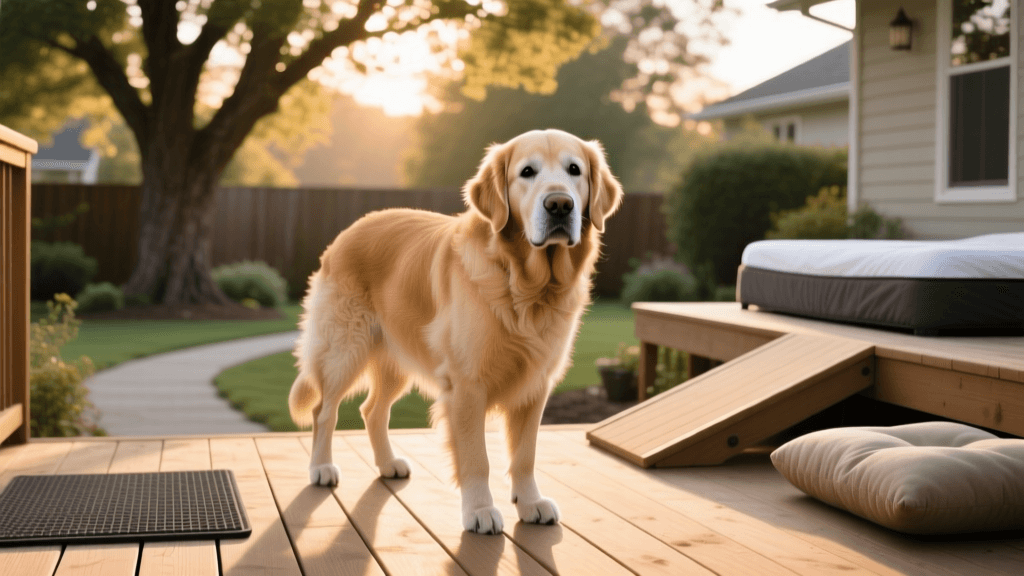
Medical management is only half the battle. The Merck Veterinary Manual emphasizes that environmental modification is crucial to prevent micro-traumas to compromised joints. Adapting your home in 2026 is easier and more affordable than ever with specialized pet gear.
1. Traction and Flooring Solutions
Slippery hardwood, tile, and laminate floors are the enemy of arthritic dogs. When a dog's paws slip, their adductor and abductor muscles spasm to catch their balance, placing immense torque on the hips, knees, and spine. Cover high-traffic areas with rubber-backed runners or interlocking foam tiles. The Gorilla Grip Interlocking Foam Tiles are an excellent 2026 choice; they provide a high-friction surface, are waterproof, and offer a slight cushion that absorbs joint impact. Ensure all area rugs have heavy-duty non-slip pads underneath them.
2. Ramps and Stairs for Furniture and Vehicles
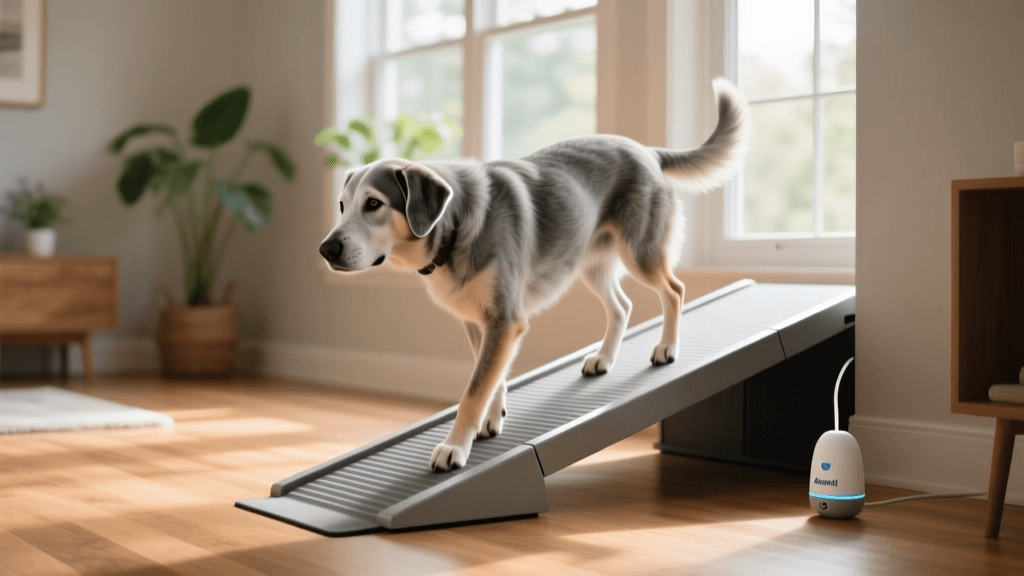
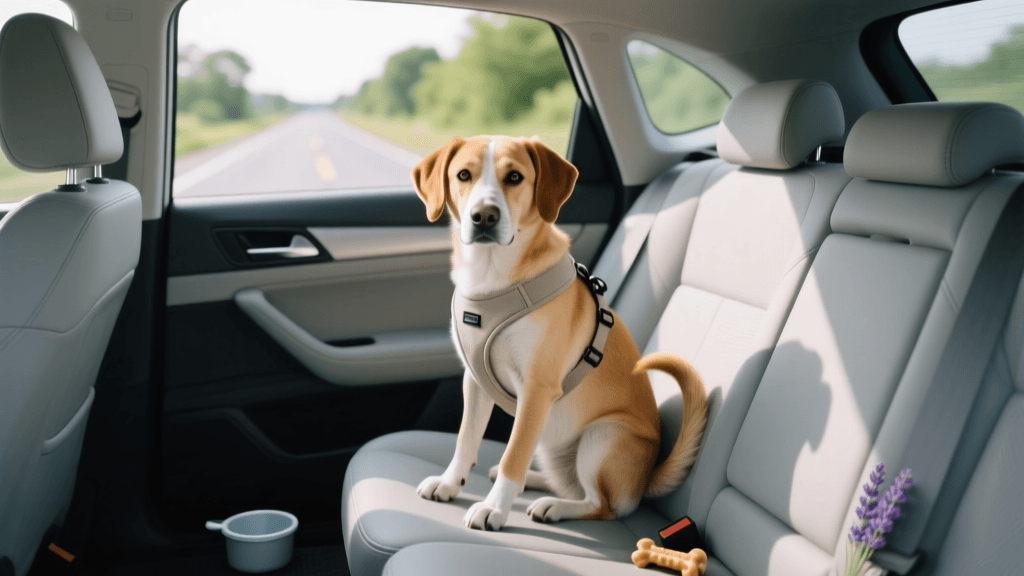
Jumping into an SUV or onto a bed generates an impact force equivalent to several times your dog's body weight. Eliminate jumping entirely. For vehicles, use a ramp with a gentle incline. The ideal slope for an OA dog is 18 degrees or less. If your SUV bed is 30 inches high, you need a ramp that is at least 90 inches long. The PetSafe Happy Ride Extra Long Telescoping Pet Ramp extends up to 87 inches and features a high-traction grit surface, making it a top recommendation for large breeds this year. For indoor furniture, opt for pet stairs with deep, wide treads and a gradual rise, such as the Pet Gear Easy Step II.
3. Orthopedic Sleeping Solutions
A standard plush dog bed will compress under a dog's weight, leaving their joints resting directly on the hard floor. Invest in a true orthopedic bed made from high-density therapeutic foam. The Big Barker 7-inch Orthopedic Dog Bed remains the premier choice in 2026. Its proprietary open-cell foam design prevents pancaking and distributes weight evenly, reducing pressure points on the hips and elbows. Position the bed in a warm, draft-free corner of the house, as cold temperatures can exacerbate joint stiffness.
Adjusting Your Daily Routine and Exercise
Exercise is vital for maintaining muscle mass, which acts as the primary shock absorber for arthritic joints. However, the type of exercise must change. High-impact activities like chasing tennis balls, jumping for frisbees, or running alongside bicycles should be retired.
- The 'Sniffari' Walk: Replace long, fast-paced walks with shorter, mentally stimulating 'sniffaris'. A 15-minute walk where your dog is allowed to stop and sniff every bush provides immense mental enrichment and burns energy without the repetitive joint impact of a 45-minute power walk.
- Hydrotherapy: Canine hydrotherapy, particularly underwater treadmill sessions, is a cornerstone of 2026 OA rehabilitation. The buoyancy of the water unloads the joints while the resistance builds muscle. Expect to pay between $65 and $95 per session at a certified canine rehabilitation center.
- Daily Massage and PROM: Learn basic canine massage and Passive Range of Motion (PROM) exercises. Gently bicycling your dog's hind legs while they lie on their side helps maintain joint capsule flexibility and stimulates synovial fluid production, which lubricates the joints.
'The goal of exercising an arthritic dog is consistency, not intensity. Multiple short, low-impact movements throughout the day are vastly superior to one long, exhausting hike on the weekend.' — 2026 Canine Rehabilitation Consensus Statement
Nutrition and Joint Supplements in 2026
Weight management is the single most effective non-pharmaceutical intervention for canine OA. Every extra pound of body fat places exponential stress on compromised joints. Work with your vet to calculate your dog's ideal resting energy requirement (RER) and measure their food precisely using a digital kitchen scale, rather than a plastic scoop.
Beyond weight control, targeted nutraceuticals can provide synergistic benefits alongside Librela:
- Omega-3 Fatty Acids (EPA/DHA): High doses of marine-derived Omega-3s act as natural anti-inflammatories. The target therapeutic dose for OA is 50-100 mg of combined EPA/DHA per kilogram of body weight. Nordic Naturals Omega-3 Pet is a highly purified, triglyceride-form oil that ensures maximum absorption.
- Advanced Joint Supplements: Look for supplements containing Epiitalis (a proprietary plant oil extract shown to promote cartilage health) alongside glucosamine and chondroitin. Dasuquin Advanced with Epiitalis is widely recommended by veterinary orthopedic specialists for its multi-targeted approach to joint matrix protection.
- Green Lipped Mussel (GLM): GLM extract is rich in ETA (eicosatetraenoic acid), a rare omega-3 that specifically inhibits the lipoxygenase inflammatory pathway. Adding a high-quality GLM powder to your dog's daily meals can help reduce morning stiffness.
Conclusion
Living with a dog suffering from osteoarthritis requires patience, observation, and a willingness to adapt. The veterinary advancements of 2026, particularly the widespread adoption of Librela, have transformed OA from a debilitating sentence into a manageable condition. By combining cutting-edge monthly injections with thoughtful home modifications—like high-traction flooring and proper orthopedic support—and adjusting your daily exercise routines, you can ensure your senior dog continues to enjoy a vibrant, comfortable, and pain-free life. Always maintain an open dialogue with your veterinary team to tailor this multimodal approach to your dog's unique needs.
jonas-cole
All our authors care for dogs every day — read more of their work on the authors page.