Step-by-Step Guide to Stress-Free Car Rides With Your Dog
Learn how to train your dog to ride calmly in the car with this step-by-step guide. Discover gear, timelines, and treats for stress-free travel.
The Importance of Car Training for Dogs
Whether you are heading to the veterinarian, embarking on a cross-country road trip, or simply running errands, car travel is an unavoidable part of life with your dog. However, for many dogs, the car is a source of immense stress, triggering panting, drooling, whining, and even motion sickness. According to the VCA Animal Hospitals, motion sickness in dogs is often linked to the vestibular system in their inner ear, which is not fully developed in puppies but can persist into adulthood if associated with negative experiences like vet visits.
Training your dog to ride calmly in the car is not just about preserving your vehicle's upholstery; it is a critical safety measure. An unrestrained dog can become a dangerous projectile during a sudden stop. The Center for Pet Safety emphasizes that using certified crash-tested restraints is essential for protecting both your pet and human passengers. This step-by-step guide will walk you through the exact process of transforming your dog's car anxiety into calm, confident travel.
Step 1: Invest in the Right Safety Gear
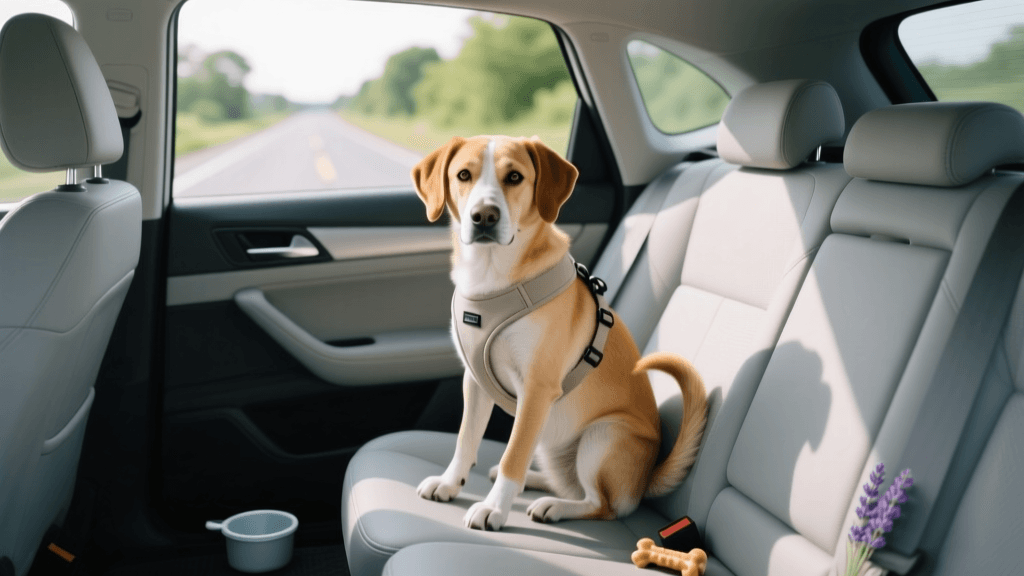
Before you begin training, you need to set up the car environment for success and safety. Never allow your dog to ride in the front seat or roam freely in the vehicle. Choose one of the following restraint methods based on your dog's size and your vehicle type:
Crash-Tested Harnesses
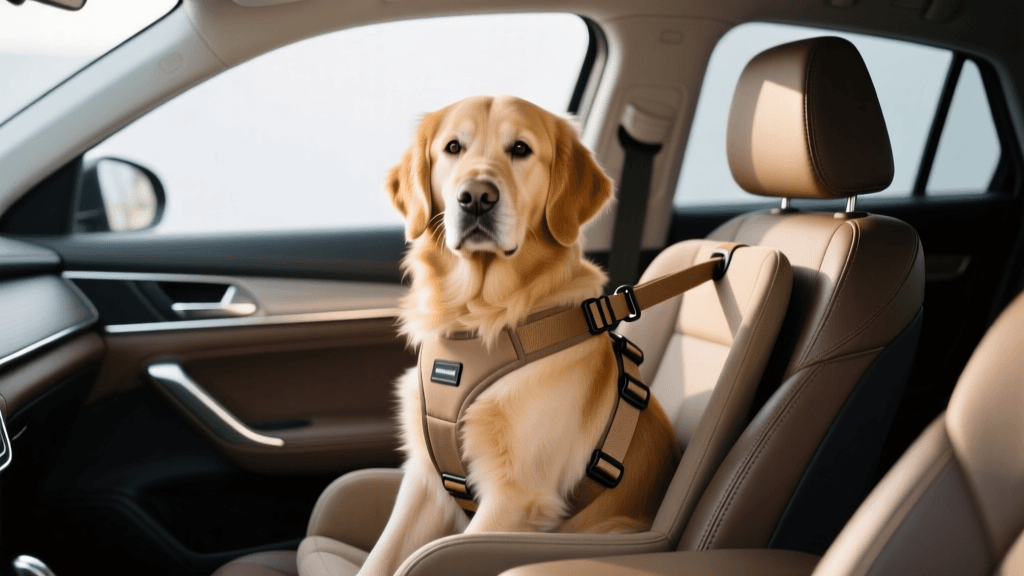
For medium to large dogs, a crash-tested harness that tethers to the vehicle's seatbelt is ideal. Look for products certified by the Center for Pet Safety.
- Top Pick: Sleepypod Clickit Sport (Approx. $90 - $110)
- Alternative: Kurgo Tru-Fit Smart Harness with Crash Tested Seat Belt Tether (Approx. $80)
- Measurement Tip: Always measure your dog's chest girth at the widest part of the ribcage. A loose harness will fail in a crash, while a tight one will chafe during long rides.
Crash-Tested Crates
For smaller dogs, or owners of SUVs and hatchbacks, a secured crate is the safest option. The crate must be strapped down or anchored to prevent sliding.
- Top Pick: Gunner G1 Kennel (Approx. $500 - $700)
- Budget Alternative: Dakota 283 Framed Door Kennel (Approx. $150 - $200)
Calming Accessories
- Adaptil Calm On-the-Go Collar or Spray: (Approx. $25) Uses synthetic dog-appeasing pheromones to reduce environmental stress.
- Kong Classic Toy: (Approx. $15) Stuff with frozen peanut butter and plain yogurt to provide a long-lasting, soothing distraction.
Step 2: The Step-by-Step Desensitization Plan
Do not rush this process. If your dog shows signs of stress (lip licking, yawning, trembling, whale eye), you have moved too fast. Take a step back to the previous phase. Keep training sessions short—about 5 to 10 minutes, twice a day.
| Phase | Goal | Timeline | Action Steps | Reward Strategy |
|---|---|---|---|---|
| 1. Introduction | Create a positive association with the car's interior. | 3 to 7 Days | Park the car in the driveway with the engine OFF and doors OPEN. Toss high-value treats onto the backseat or into the crate. Let the dog enter and exit freely on their own terms. Do not close the doors yet. | Boiled chicken, hot dog pieces, or Zuke's Mini Naturals. |
| 2. Settling In | Encourage voluntary relaxation inside the vehicle. | 5 to 10 Days | Once the dog jumps in willingly, begin feeding them their regular meals inside the car with the engine off. Introduce a specific "settle" mat. Close the doors for 10 seconds, then open them, gradually increasing the time the doors are shut. | Regular meals, frozen Kong toy. |
| 3. Engine On | Desensitize the dog to the sound and vibration of the engine. | 3 to 5 Days | With the dog secured in their harness or crate, turn the engine ON but do not put the car in gear. Sit in the driver's seat and offer calm praise. Turn the engine off after 2 minutes. Repeat until the dog remains relaxed. | Licking mat with plain pumpkin puree, verbal praise. |
| 4. Short Drives | Acclimate the vestibular system to movement. | 1 to 2 Weeks | Drive to the end of the street and back. Keep the radio off or play classical music at a low volume. Ensure smooth acceleration and braking. Gradually increase the drive to 5 minutes, then 15 minutes over several days. | Chewable calming treats given 30 mins before the drive. |
| 5. Destination Rewards | Break the "Car = Vet" association. | Ongoing | Drive to highly rewarding locations: a favorite hiking trail, the park, or a drive-thru for a puppuccino. Avoid using the car exclusively for vet visits or grooming appointments during the training period. | Playtime, sniffaris, verbal affection. |
Step 3: Managing Motion Sickness and Anxiety
Even with excellent behavioral training, some dogs suffer from physiological motion sickness. The vestibular system, which controls balance, sends conflicting signals to the brain when the eyes see a stationary car interior while the body feels movement.
Dietary Adjustments
According to veterinary experts at VCA Animal Hospitals, withholding food for 2 to 3 hours before travel can significantly reduce the likelihood of nausea and vomiting. However, ensure your dog has access to water. For long road trips, feed a light, easily digestible meal the night before and offer small amounts of bland food (like boiled chicken and white rice) during rest stops.
Environmental Controls
- Temperature: Keep the car cool (around 68°F to 70°F). Overheating exacerbates nausea.
- Airflow: Crack the windows slightly to allow fresh air to circulate and to help equalize air pressure, which can soothe the inner ear. However, never allow your dog to hang their head out of a moving window, as this risks eye injuries from debris and respiratory issues.
- Visual Barriers: For crate-trained dogs, draping a light, breathable blanket over the crate can block out the rushing scenery that triggers visual overstimulation and dizziness.
When to Consult Your Veterinarian
If behavioral desensitization and environmental tweaks fail, consult your veterinarian. They may prescribe anti-nausea medications such as Maropitant (Cerenia), which is highly effective for canine motion sickness, or anti-anxiety medications like Trazodone or Gabapentin to be used specifically for travel days. Never administer human motion sickness medications like Dramamine without explicit veterinary guidance, as dosages and formulations can be toxic to dogs.
Step 4: Establishing a Pre-Travel Routine
Dogs thrive on predictability. Establishing a consistent pre-travel routine helps signal to your dog what is expected and reduces anticipatory anxiety.
- Exercise First: A tired dog is a calm dog. Engage in 20 to 30 minutes of vigorous exercise (fetch, jogging, or a structured sniffari) before the trip to burn off excess adrenaline.
- Potty Break: Always allow your dog to empty their bladder and bowels immediately before getting into the car.
- Calm Energy: Dogs mirror our emotions. If you are rushing, stressed, or using a high-pitched, anxious voice, your dog will interpret the car as a threatening environment. Move slowly, speak in a low, soothing register, and project confidence.
- Secure and Settle: Buckle your dog into their harness or place them in their crate. Provide their designated travel toy or chew, start the engine, and allow a moment of stillness before putting the car in drive.
Conclusion: Patience Yields a Lifetime of Adventures
Training your dog to ride calmly in the car is an investment that pays dividends for their entire life. By prioritizing safety with crash-tested gear, respecting your dog's emotional threshold through gradual desensitization, and addressing physiological needs like motion sickness, you can transform the car from a chamber of terror into a gateway for adventure. Remember that setbacks are normal; if your dog has a bad day or regresses, simply return to Step 1 and rebuild their confidence. With patience, consistency, and high-value rewards, your dog will soon be the perfect co-pilot, ready to hit the open road with a wagging tail.
tom-renshaw
All our authors care for dogs every day — read more of their work on the authors page.