Canine OA Treatment 2026: Librela & Home Care Guide
Discover the latest 2026 canine OA treatments, including Librela injections, home modifications, and physical therapy routines to keep your senior dog mobile.
Understanding Canine Osteoarthritis in 2026
Osteoarthritis (OA) is a progressive, degenerative joint disease that affects a significant portion of the canine population. According to recent veterinary data, over 80% of senior dogs experience some degree of OA-related pain, which can severely impact their daily routines, mobility, and overall quality of life. As we navigate 2026, the veterinary consensus has shifted dramatically away from relying solely on traditional painkillers. Today, managing canine OA requires a comprehensive, multimodal approach that combines targeted biologic therapies with strategic home modifications and daily physical therapy.
Living with an arthritic dog means adapting your shared environment and daily schedule to accommodate their changing needs. From the moment they wake up on their orthopedic bed to the time they navigate the stairs for an evening potty break, every aspect of their day must be optimized for joint preservation and pain reduction. This guide explores the most effective 2026 treatments and practical home care routines to keep your senior dog comfortable, active, and happy.
The Game Changer: Anti-NGF Monoclonal Antibodies
For decades, Non-Steroidal Anti-Inflammatory Drugs (NSAIDs) were the frontline defense against canine OA. While effective, long-term NSAID use can pose risks to a senior dog's liver and kidneys. In 2026, the gold standard for moderate to severe canine OA involves the use of monoclonal antibodies, specifically bedinvetmab, marketed as Librela.
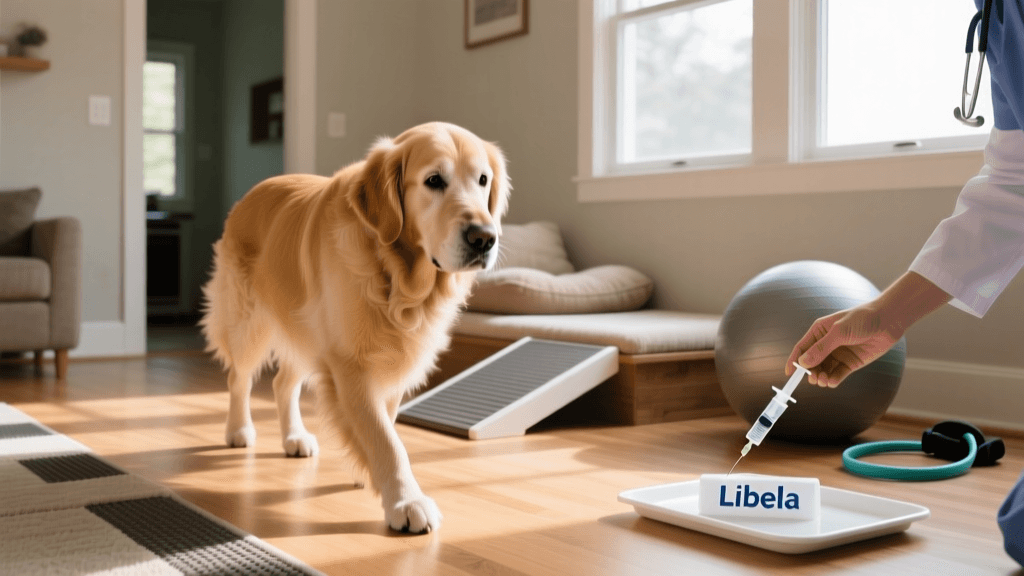
Librela works by targeting and neutralizing Nerve Growth Factor (NGF), a protein that plays a critical role in the transmission of pain signals. By binding to NGF, Librela stops the pain signal from reaching the brain, providing profound relief without the systemic organ risks associated with traditional NSAIDs. As detailed on the official Librela clinical portal, this therapy is administered as a simple monthly subcutaneous injection by your veterinarian, making it incredibly convenient for busy pet owners while ensuring consistent, round-the-clock pain management.
Comparing 2026 Canine OA Treatment Options
While Librela has revolutionized OA care, it is often used in conjunction with other therapies depending on the dog's specific health profile. Below is a comparison of the most common OA treatments utilized in 2026 veterinary practice.
| Treatment | Type | Administration | Estimated 2026 Cost | Best For |
|---|---|---|---|---|
| Librela (Bedinvetmab) | Monoclonal Antibody | Monthly Vet Injection | $75 - $130 | Moderate/Severe OA, NSAID-intolerant dogs |
| Carprofen / Meloxicam | NSAID | Daily Oral Pill/Liquid | $30 - $60 | Mild/Moderate OA, dogs with healthy organs |
| Adequan | Polysulfated Glycosaminoglycan | IM Injection Series | $50 - $80 | Early-stage OA, cartilage support |
| Omega-3 / UC-II | Nutraceutical | Daily Oral Supplement | $25 - $50 | Preventative care, mild joint stiffness |
The American Veterinary Medical Association (AVMA) emphasizes that combining these medical treatments with environmental and lifestyle modifications yields the best long-term outcomes for arthritic pets.
Essential Home Modifications for Arthritic Dogs
Medical management is only half the battle. Adapting your home environment is crucial for preventing slips, falls, and unnecessary joint strain. In 2026, smart home setups and specialized pet gear make it easier than ever to create an arthritis-friendly sanctuary.
1. Upgrading to High-Density Orthopedic Beds
Standard plush dog beds offer zero support for compromised joints. Invest in a high-density memory foam bed that is at least 4 inches thick. Brands like Big Barker and K&H Pet Products offer orthopedic beds with therapeutic foam that prevents the dog's heavy joints from bottoming out against the hard floor. For dogs that suffer from inflammation-induced heat, look for beds featuring a cooling gel top layer to soothe aching hips and elbows.
2. Traction and Flooring Solutions
Hardwood and tile floors are the enemy of arthritic dogs. A single slip can exacerbate joint damage or cause a cruciate ligament tear. Cover high-traffic areas with non-slip, low-pile area rugs. For dogs that struggle to stand up from a lying position, consider using canine toe grips (such as Dr. Buzby's ToeGrips) which slide onto the toenails to provide immediate traction on smooth surfaces without the mess of paw waxes.
3. Ramps and Stairs
Jumping onto couches, beds, or into the back of an SUV places immense concussive force on the front shoulders and spine. Utilize pet ramps with a gentle incline (ideally 18 to 20 degrees for large breeds). Ensure the ramp surface is covered in high-traction ribbed carpet or rubber. For indoor furniture, sturdy, wide-profile pet stairs with a 6-inch rise per step are highly recommended.
Daily Physical Therapy and Exercise Routines
Exercise remains vital for maintaining muscle mass, which acts as a shock absorber for arthritic joints. However, the type of exercise must be carefully controlled. High-impact activities like fetching tennis balls or jumping frisbees should be strictly avoided.
Controlled Leash Walks
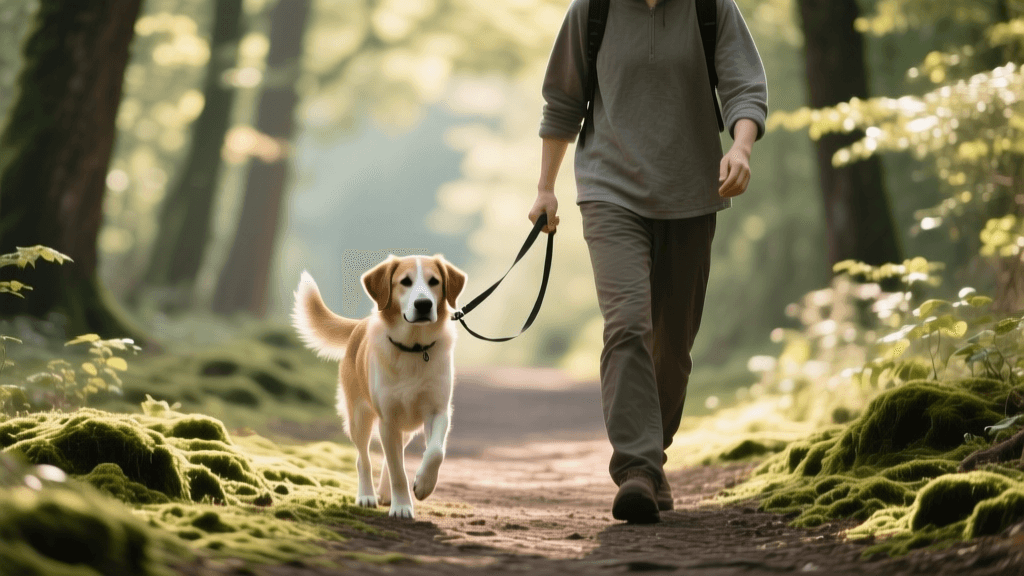
Replace off-leash park runs with structured, on-leash walks. Keep the pace steady and avoid sudden stops or sharp turns. Walking on soft, even surfaces like grass or dirt trails is much gentler on the joints than pounding the pavement. Use a front-clip harness to distribute pressure evenly across the chest rather than straining the neck and spine.
Sit-to-Stand Exercises
This simple physical therapy exercise builds hind-end strength. Have your dog sit squarely, then use a high-value treat to lure them into a standing position. Hold for two seconds, then ask them to sit again. Repeat this 5 to 10 times per session, twice a day. This mimics the mechanics of a squat and strengthens the quadriceps and gluteal muscles that support the hips and knees.
Passive Range of Motion (PROM)
For senior dogs with severe stiffness, PROM exercises help maintain joint flexibility. While your dog is lying on their side in a relaxed state, gently cup the knee and slowly flex and extend the leg in a natural bicycling motion. Never force a joint past its natural resistance. The Cornell University Veterinary Pain Management team notes that gentle, consistent PROM therapy helps circulate synovial fluid, which lubricates the joint and nourishes the cartilage.
Nutritional Support and Weight Management
Carrying excess body weight is the single most detrimental factor for a dog with OA. Every extra pound places exponential stress on compromised joints. In 2026, veterinary nutritionists strongly advocate for maintaining a lean body condition score (BCS of 4 out of 9) for all arthritic dogs. This may require transitioning to a prescription joint-support diet that is lower in calories but fortified with joint-building nutrients.
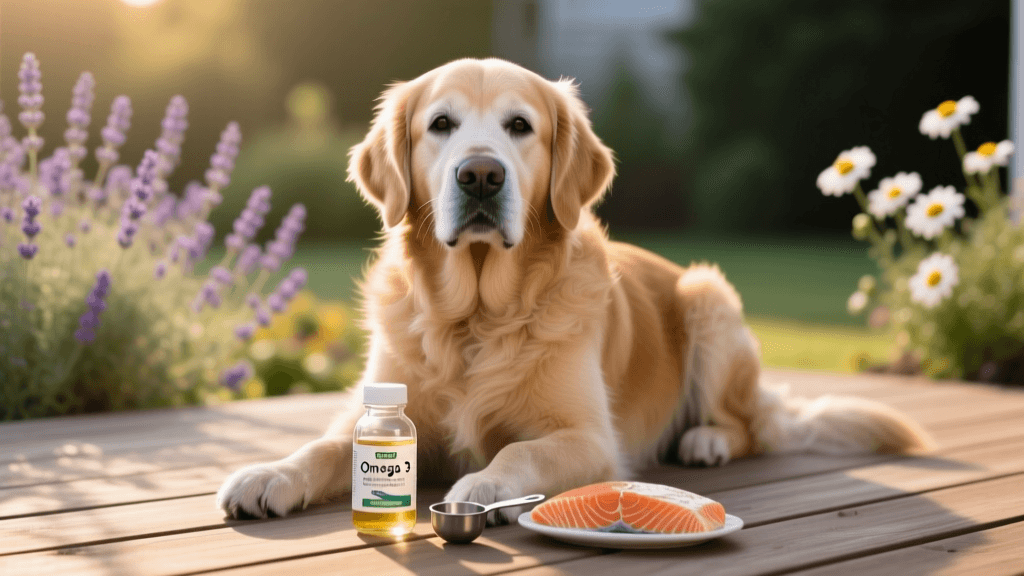
Supplementation is equally critical. High concentrations of EPA and DHA (Omega-3 fatty acids derived from wild-caught fish oil) have been clinically proven to reduce joint inflammation. Additionally, undenatured type II collagen (UC-II) supplements work via oral tolerance to prevent the immune system from attacking joint cartilage, offering a powerful adjunct to daily pain management.
Monitoring Progress with Smart Technology
One of the greatest challenges of canine OA is that dogs are stoic and often hide their pain until it becomes severe. In 2026, pet owners can leverage smart collar technology (such as Fi or Whistle) to track their dog's daily activity levels, sleep quality, and scratch/rest metrics. A sudden drop in daily step count or an increase in restless nighttime waking can serve as an early warning system that your dog's OA is flaring up, allowing you to consult your veterinarian and adjust their treatment plan before their quality of life significantly declines.
'Osteoarthritis is not just a disease of aging; it is a progressive condition that requires lifelong, multimodal management to preserve your dog's joy and mobility.'
By combining cutting-edge biologic treatments like Librela with thoughtful home modifications, targeted physical therapy, and strict weight management, you can ensure your senior dog continues to thrive. Life with an arthritic dog requires patience and adaptation, but the reward of seeing them walk comfortably and enjoy their golden years is immeasurable.
hannah-wickes
All our authors care for dogs every day — read more of their work on the authors page.