Leash Training FAQs: How to Stop Your Dog From Pulling
Discover answers to Google's most-asked leash training questions. Learn how to stop your dog from pulling with expert tips, gear guides, and timelines.
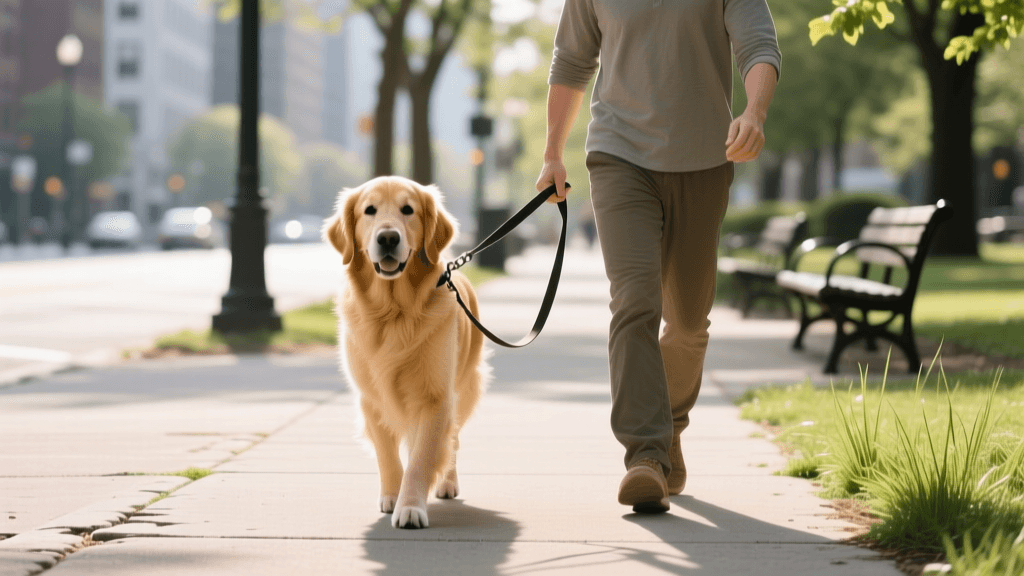
If you have ever returned from a dog walk with a sore shoulder and a tangled leash, you are not alone. A quick search on Google reveals that millions of dog owners are desperately typing queries like "how to stop dog from pulling on leash" and "best harness for dogs that pull." Leash pulling is arguably the most common behavioral issue faced by pet parents, but it is also one of the most fixable with the right behavioral conditioning techniques. In this comprehensive guide, we are answering Google’s most-asked questions about leash training, providing you with actionable timelines, specific gear recommendations, and step-by-step obedience training protocols.
Why Does My Dog Pull on the Leash?
To solve the problem, we first must understand the root cause. Dogs do not pull on the leash to be defiant or dominant. According to the ASPCA, dogs pull primarily because of the "oppositional reflex" and a fundamental difference in walking speeds.
When a dog feels tension on the leash, their natural instinct is to pull against it. Furthermore, the average human walks at a leisurely pace of 2 to 3 miles per hour, while a dog’s natural trot is closer to 3 to 4 miles per hour. Add in the overwhelming sensory input of neighborhood scents, squirrels, and other dogs, and your pup is essentially a sports car stuck behind a tractor. They pull because it works; pulling gets them to the sniffing spot faster.
How Long Does It Take to Leash Train a Dog?
This is one of the most frequent "People Also Ask" questions on Google. The honest answer is that it depends on the dog's age, breed drive, and reinforcement history. If a dog has been successfully pulling you down the street for three years, that behavior has been rewarded thousands of times.
General Timeline Expectations
- Puppies (8 to 16 weeks): 2 to 4 weeks of consistent, short (5-minute) daily sessions. Puppies have no bad habits yet, making them fast learners.
- Adolescent Dogs (6 to 18 months): 4 to 8 weeks. Hormonal changes and high distractibility require immense patience and high-value treats.
- Adult Rescues (1 to 7 years): 6 to 12 weeks. You are actively counter-conditioning years of learned behavior. Consistency is your greatest tool.
Expect to spend about 10 to 15 minutes per day dedicated solely to loose leash training, separate from your regular "exercise" walks.
What Is the Best Harness to Stop Pulling?
Gear alone will not train your dog, but the right equipment makes the process significantly easier. The Humane Society of the United States recommends avoiding aversive tools like prong collars, choke chains, or shock collars, as these can cause physical injury and increase fear-based reactivity. Instead, opt for humane, force-free management tools.
Leash Training Gear Comparison Chart
| Equipment Type | Recommended Brand Example | Estimated Cost | How It Works | Best For |
|---|---|---|---|---|
| Front-Clip Harness | Rabbitgoo No-Pull Dog Harness | $20 - $28 | The leash attaches to a ring on the chest. When the dog pulls, the tension gently redirects their momentum back toward you. | Strong pullers, medium to large breeds. |
| Head Halter | Petsafe Gentle Leader | $15 - $20 | Loops around the snout and neck. Where the nose goes, the body follows. Provides maximum steering control. | Giant breeds, severe pullers, reactive dogs. |
| Back-Clip Harness | Kurgo Tru Fit Harness | $25 - $35 | Leash attaches on the back. Distributes weight evenly but can actually encourage pulling (like a sled dog). | Small dogs, brachycephalic breeds, car travel. |
| Standard Flat Collar | Blueberry Pet Nylon Collar | $10 - $15 | Sits around the neck. Offers zero pulling deterrence and can damage the trachea if the dog lunges. | Holding ID tags only; not recommended for active training. |
How Do I Actually Train the "Loose Leash" Walk?
The American Kennel Club (AKC) emphasizes that loose leash walking is all about making the area right next to your leg the most rewarding place in the world. Here is a proven, three-step behavioral conditioning protocol.
Step 1: The "Be a Tree" Method (Red Light, Green Light)
Every time the leash goes tight, stop walking immediately. Stand completely still like a tree. Do not yank the leash back, and do not say a word. Wait for your dog to voluntarily release the tension by turning their head or taking a step back toward you. The exact millisecond the leash forms a "J" shape (loose), mark the behavior with a cheerful "Yes!" and resume walking. This teaches the dog that tension equals zero forward movement, while a loose leash equals progress.
Step 2: Lure and Reward the "Sweet Spot"
Define the "sweet spot" as the area within a two-foot radius of your left leg. You must pay the dog for staying in this zone. Use high-value, low-calorie training treats. A fantastic, budget-friendly option is Zuke’s Mini Naturals (roughly $8 for a 16oz bag). They are only 3 calories per treat, meaning you can dispense 10 to 15 treats on a short walk without ruining your dog's diet. Hold a treat near your left knee and reward every 3 to 5 steps your dog takes in the sweet spot without pulling.
Step 3: The 180-Degree Turn
If your dog surges ahead and ignores the "Be a Tree" rule, cheerfully say "Let's go!", pivot 180 degrees, and walk in the opposite direction. When the dog catches up to your side, reward heavily. This conditions the dog to pay attention to your body language and movement, realizing that ignoring you results in moving away from their desired destination.
At What Age Should I Start Leash Training?
Google users often ask if puppies are too young for leash training. You can begin introducing a harness and leash indoors as early as 8 weeks of age. Keep the initial sessions to just 2 or 3 minutes in your living room or backyard. Let the puppy drag a lightweight leash (under strict supervision) to get used to the feeling of weight on their collar or harness. However, formal outdoor loose leash walking should wait until your puppy has completed their core vaccination series (usually around 16 weeks) to protect them from diseases like Parvovirus. Until then, carry them outside or use a stroller for socialization exposure.
Troubleshooting: What If My Dog Barks and Lunges?
If your dog is pulling because they are leash-reactive (barking and lunging at other dogs or people), standard loose leash walking exercises will not work in close proximity to their triggers. Reactivity is rooted in fear or frustration, not just poor manners. In these cases, you must practice "threshold training." Identify the distance at which your dog notices a trigger but does not react (e.g., 50 feet away). Feed high-value treats like boiled chicken or freeze-dried liver at that distance. Slowly decrease the distance over weeks of conditioning. If your dog reacts, you are too close; increase the distance immediately.
Final Thoughts on Patience and Consistency
Leash training is not a quick fix; it is a fundamental shift in how you and your dog communicate. By answering the questions you've been frantically Googling and applying these structured, force-free methods, you will transform your daily walks from a stressful chore into a bonding experience. Invest in a front-clip harness, stock up on low-calorie treats, and commit to just 10 minutes of focused practice a day. Your shoulders—and your dog—will thank you.
beth-carrasco
All our authors care for dogs every day — read more of their work on the authors page.