Best Smart Training Collars for Dog Recall & Boundaries
Discover the best smart and GPS training collars for dog recall and boundary training. Compare top brands, features, and costs in our expert buyer's guide.
Introduction to Smart Training Collars
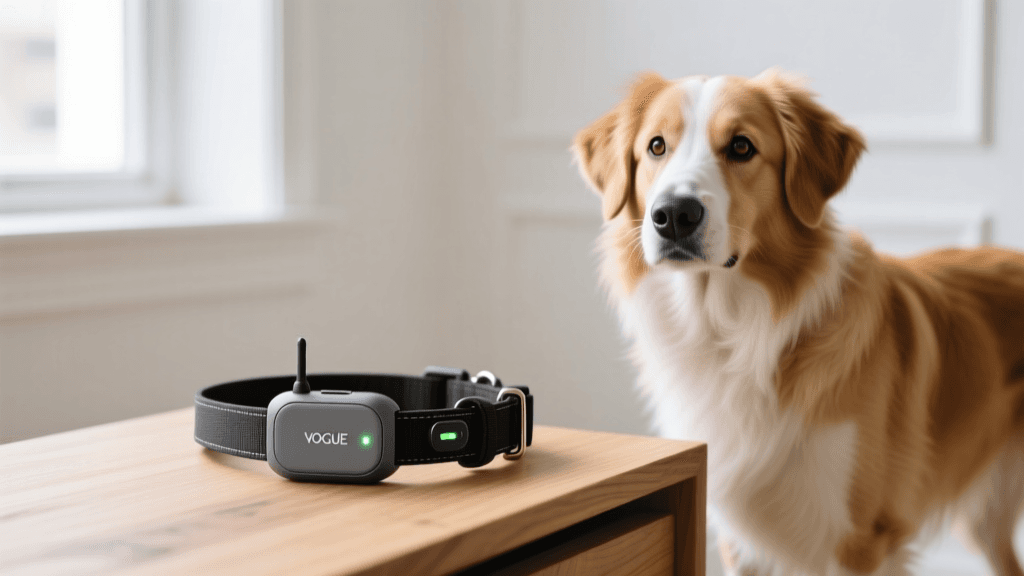
Training a reliable recall and establishing invisible boundaries are two of the most challenging aspects of dog ownership. Traditional methods require long lines, endless treats, and constant supervision. Today, smart training collars and GPS geofencing devices offer a technological bridge between freedom and safety. However, with prices ranging from $200 to over $1,000, choosing the right device requires careful consideration of your dog's temperament, your property's layout, and your training philosophy. In this comprehensive buyer's guide, we review the top smart training collars on the market, breaking down their features, costs, and effectiveness for behavioral conditioning.
How Smart Collars Aid in Behavioral Conditioning
Smart collars utilize a combination of GPS satellites, cellular networks, and sensory feedback (tone, vibration, and static stimulation) to condition your dog. According to the principles of operant conditioning, timing is everything. When your dog approaches a designated boundary, the collar emits a warning tone. If they proceed, a vibration or static correction follows. The goal is not to punish, but to create a clear, consistent association between the boundary line and the warning cue. The American Veterinary Society of Animal Behavior emphasizes that any aversive tool must be used with precise timing and paired with positive reinforcement to prevent fear and anxiety. Modern smart collars allow you to customize the intensity of the feedback, ensuring you use the minimum effective level for your specific dog.
Top 3 Smart Training Collars Reviewed
1. SpotOn GPS Fence & Tracking Collar
Best For: Large properties and tech-savvy owners who want to avoid monthly subscription fees for fencing.
Price: ~$995 (Optional cellular subscription for tracking alerts)
The SpotOn collar is the gold standard for GPS boundary training. Unlike traditional wireless fences that rely on a central transmitter, SpotOn uses a network of 30 GPS and GNSS satellites to map your property. You simply walk the perimeter with the collar to set the fence. It allows for overlapping fences, exclusion zones (like keeping your dog out of the garden), and multi-acre coverage. The training feedback includes tone, vibration, and optional static stimulation. While the upfront cost is steep, the lack of a mandatory subscription for the fencing feature makes it cost-effective over time.
2. Halo Collar 3
Best For: Owners who want a structured, guided training program alongside GPS fencing.
Price: ~$599 + $99/year subscription
Developed in collaboration with renowned dog behaviorist Cesar Millan, the Halo Collar 3 uses RTK (Real-Time Kinematic) GPS for pinpoint accuracy, reducing the "drift" common in older GPS models. The collar provides a progressive feedback system: a warning whistle, a "tap" (vibration), and a static prompt. The accompanying app features a comprehensive 21-day training program that teaches both the owner and the dog how to understand the collar's cues. The mandatory subscription covers cellular connectivity and app access, which is a drawback for budget-conscious buyers, but the structured training modules are invaluable for novice owners.
3. Dogtra EDGE RT
Best For: Active hunters and hikers who need reliable recall training and GPS tracking without boundary fencing.
Price: ~$279 (No subscription required)
While not a geofencing boundary collar, the Dogtra EDGE RT is a premier smart e-collar and GPS tracker hybrid. It features a 4-mile range, GPS tracking via a handheld remote (no smartphone or cell network required), and highly adjustable vibration and static stimulation. This is ideal for rigorous recall training in dense woods or open fields where cellular GPS boundaries fail. The vibration feature (Nick and Constant) is excellent for deaf dogs or silent recall conditioning.
Comparison Chart: Top Smart Training Collars
| Feature | SpotOn GPS | Halo Collar 3 | Dogtra EDGE RT |
|---|---|---|---|
| Primary Use | GPS Boundary & Tracking | GPS Boundary & Training | Recall Training & Tracking |
| Upfront Cost | $995 | $599 | $279 |
| Subscription | Optional (for alerts) | Required ($99/yr) | None |
| Feedback Types | Tone, Vibration, Static | Tone, Vibration, Static | Vibration, Static, Pager |
| Battery Life | 22 hours | 20 hours | 2 hours (continuous) |
Step-by-Step Guide to Boundary Training with a Smart Collar
Purchasing a high-tech collar is only the first step. Proper behavioral conditioning requires a structured approach. The American Kennel Club stresses that recall and boundary training should always be rooted in positive reinforcement before introducing electronic cues.
- Week 1: Flag Recognition and Tone Association. Place visual boundary flags along your property line. Walk your dog on a leash along the perimeter. When the collar emits the warning tone, gently guide your dog back to the safe zone and immediately reward them with a high-value treat. Do not use static stimulation during this phase.
- Week 2: Introducing Vibration. Continue walking the perimeter on a long line. Allow your dog to cross the tone zone into the vibration zone. The moment they feel the vibration, call them back, praise them, and offer a treat. The goal is for the dog to learn that retreating turns off the sensation.
- Week 3: Distraction Proofing. Introduce mild distractions, such as a favorite toy placed just outside the boundary. Keep your dog on a long line for safety. If they ignore the tone and vibration, the collar will deliver the lowest level of static stimulation. Guide them back and reward heavily.
- Week 4: Off-Leash Supervision. Remove the long line but stay outside with your dog. Supervise closely to ensure they respect the invisible fence. Gradually remove the visual flags over the next month as your dog memorizes the boundary.
Expert Tips for Safe and Effective Use
- The Two-Finger Rule: Ensure the collar's contact points touch the skin without causing irritation. You should be able to slide two fingers snugly between the strap and your dog's neck.
- Time Limits: Never leave a training collar on your dog for more than 10 to 12 hours a day to prevent pressure necrosis (collar sores), a safety guideline supported by the Humane Society of the United States.
- Avoid "Correction Junkies": Do not use the collar to punish unwanted behaviors like barking or digging. Smart collars are strictly for boundary containment and recall conditioning. Misuse can lead to severe behavioral fallout and anxiety.
- Regular Maintenance: Clean the contact points weekly with rubbing alcohol to prevent skin infections, and check the battery health regularly to ensure the GPS doesn't fail while your dog is outside.
Final Verdict
Investing in a smart training collar can dramatically improve your dog's safety and your peace of mind. For large, complex properties where cellular subscriptions are a nuisance, the SpotOn GPS is an unmatched, albeit expensive, investment. If you need a guided, app-based training curriculum to build confidence and obedience, the Halo Collar 3 offers the best holistic approach. Finally, for rugged outdoor recall training far beyond the reach of cell towers, the Dogtra EDGE RT remains the undisputed champion of reliability. Whichever you choose, remember that technology is merely a tool; consistent, compassionate, and positive training is the true key to a well-behaved companion.
robin-maitland
All our authors care for dogs every day — read more of their work on the authors page.