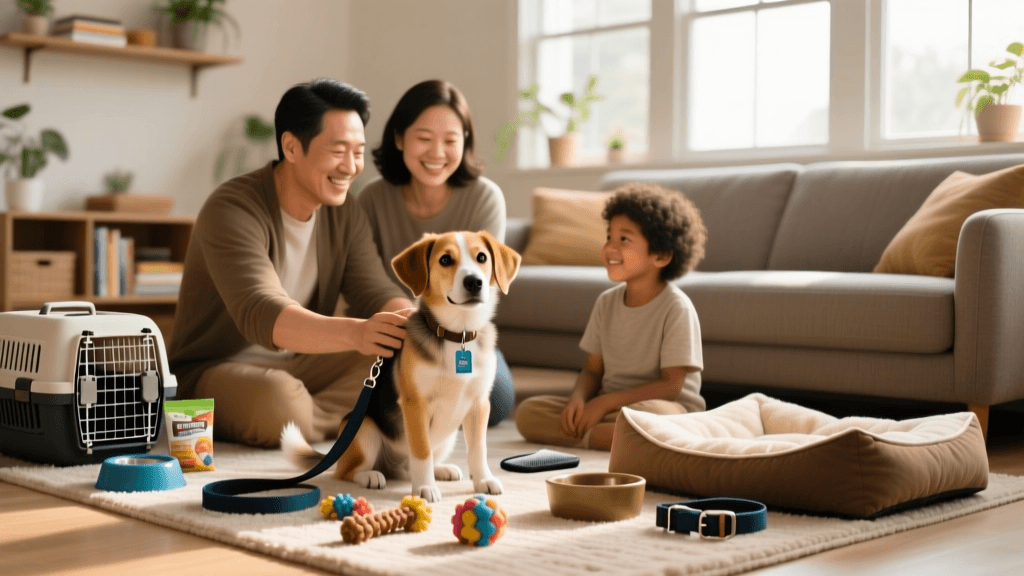
Diagnosing Household Dog Hazards: Puppy-Proofing Solutions
Discover how to diagnose hidden household hazards and implement puppy-proofing solutions to keep your new dog safe and prevent costly emergency vet visits.
The Hidden Dangers of a New Puppy
Bringing a new dog into your home is an exhilarating milestone, but it often comes with a harsh reality check: our human environments are inherently hazardous to canines. According to the ASPCA Animal Poison Control Center, tens of thousands of pets are exposed to toxic substances every year, with a significant percentage of these incidents occurring right inside the home. From swallowed socks that cause intestinal blockages to sugar-free gums containing xylitol that trigger rapid hypoglycemia, the modern household is a minefield for an inquisitive puppy.
Approaching puppy-proofing from a 'Problem Diagnosis and Solutions' perspective allows new owners to move beyond generic advice. Instead of simply being told to 'put things away,' you must learn to diagnose the environmental triggers that lead to destructive chewing and accidental ingestion, and then prescribe targeted, actionable solutions. This guide will walk you through a comprehensive room-by-room diagnostic process to secure your home, protect your new dog, and save yourself from exorbitant emergency veterinary bills.
Diagnosing the Root Cause: Why Dogs Chew and Ingest
Before implementing solutions, we must diagnose the behavior. Puppies and adult dogs explore the world primarily through their mouths. The American Kennel Club (AKC) notes that chewing is a natural, instinctual behavior driven by several factors:
- Teething Pain: Puppies lose their baby teeth between 12 and 16 weeks of age, with adult teeth fully emerging by 6 months. Chewing relieves gum inflammation.
- Scavenging Instincts: Dogs are opportunistic foragers. If a trash can smells like food, their brain registers it as a resource, not a hazard.
- Boredom and Anxiety: Under-stimulated dogs will manufacture their own entertainment, often resulting in the destruction of baseboards, furniture, or shoes.
By understanding the 'why,' you can differentiate between a behavioral issue that requires training and an environmental flaw that requires physical management.
Room-by-Room Hazard Diagnosis and Solutions
The Kitchen: Toxins, Trash, and Human Food
Symptom: Shredded garbage bags, ingestion of chicken bones, or licking up spilled artificial sweeteners.
Diagnosis: The kitchen is the highest-risk zone for dietary indiscretion and toxicity. Open-top trash cans rely on the dog's obedience rather than environmental management. Furthermore, dropped foods like grapes, raisins, onions, and anything containing xylitol (often found in peanut butter and sugar-free baked goods) can cause acute kidney failure or fatal liver damage.
Solution: Upgrade to a heavy-duty, locking trash can. The simplehuman 13-Gallon Locking Trash Can (approx. $80-$120) features a physical latch that prevents paw-swiping. For lower cabinets housing cleaning supplies or hazardous foods, install magnetic childproof locks (approx. $15 for a multi-pack). Always store human foods on high shelves or inside the pantry, and immediately sweep the floor after meal prep.
The Living Room: Cords, Botanical Dangers, and Decor
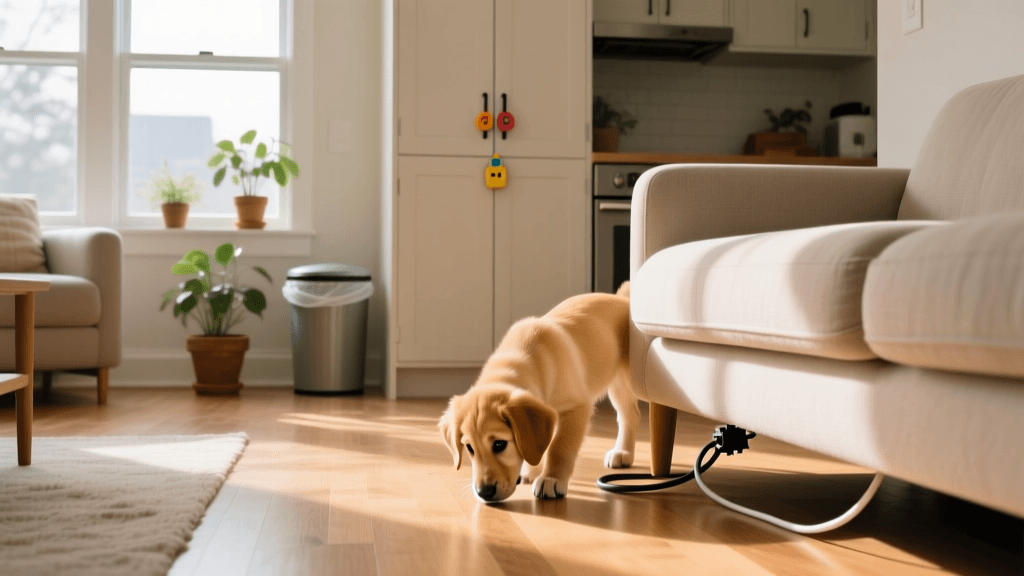
Symptom: Frayed electronics cables, chewed furniture legs, and digging in indoor plant soil.
Diagnosis: Living rooms are filled with low-hanging wires that look remarkably like chew toys to a teething puppy. Additionally, many popular houseplants—such as the Sago Palm, Peace Lily, and Pothos—are highly toxic to dogs. The Pet Poison Helpline frequently fields calls regarding sago palm ingestion, which carries a high mortality rate due to severe hepatotoxicity.
Solution: Bundle and conceal all electrical cords using split-loom tubing or neoprene cable management sleeves (e.g., JOTO Cable Sleeves, approx. $15). Apply a bitter-tasting deterrent like Grannick's Bitter Apple Spray (approx. $8-$12) to furniture legs and baseboards; reapply every 24 hours during the first two weeks to break the chewing habit. Relocate all toxic houseplants to hanging planters or rooms completely blocked off by baby gates.
The Bathroom and Laundry Room: Medications and Chemicals
Symptom: Punctured pill bottles, ingestion of laundry detergent pods, or drinking from the toilet.
Diagnosis: Dogs are highly attracted to the sweet coatings on human medications (like ibuprofen or antidepressants) and the bright colors of laundry pods. Furthermore, toilet bowl cleaners often contain corrosive chemicals like bleach or hydrochloric acid.
Solution: Treat the bathroom like a pharmacy. All medications must be stored in high, closed cabinets—never left on the nightstand or bathroom counter. Install a toilet lid lock (approx. $10) or simply enforce a strict 'doors closed' policy for bathrooms and laundry rooms. Use pet-safe, non-toxic cleaning alternatives like Seventh Generation or Method products for floor mopping.
The Yard and Exterior: Fencing Gaps and Mulch
Symptom: Escaping under the fence, digging up landscaping, or chewing on decorative rocks.
Diagnosis: Standard privacy fences often have gaps at the bottom that a small or medium-sized puppy can easily squeeze through. Additionally, cocoa bean mulch contains theobromine (the same toxic compound found in chocolate), and decorative river rocks can cause severe gastrointestinal blockages if swallowed.
Solution: Line the base of your fence with 19-gauge, 1/2-inch mesh hardware cloth. Bury it 12 inches deep and bend the bottom 6 inches outward into the yard in an 'L' shape to prevent digging escapes. Replace cocoa bean mulch with pet-safe alternatives like cedar or pine bark, and remove any loose landscaping rocks smaller than a tennis ball.
The Ultimate Puppy-Proofing Diagnostic Table
Use this quick-reference diagnostic chart to identify common household hazards and implement immediate solutions.
| Environmental Hazard | Canine Risk / Symptom | Prescribed Solution | Estimated Cost |
|---|---|---|---|
| Open Trash Cans | Foreign body ingestion, bone splinters | Locking, weighted trash can | $80 - $120 |
| Exposed Power Cords | Electrocution, oral burns | Split-loom tubing / Cable sleeves | $12 - $20 |
| Houseplants (e.g., Lilies) | Renal failure, neurotoxicity | Hanging planters or room isolation | $15 - $30 |
| Human Medications | NSAID toxicity, organ failure | High cabinets, magnetic locks | $15 - $25 |
| Cocoa Bean Mulch | Theobromine poisoning | Replace with untreated cedar bark | $4 - $6 per bag |
| Fence Gaps & Digging | Escapes, traffic accidents | 1/2-inch hardware cloth (buried) | $30 - $50 |
Essential Management Tools: The Crate and Gates
When you cannot actively supervise your new dog, environmental management must take over. The two most critical tools for this are pressure-mounted baby gates and a properly sized crate.
Diagnosing Crate Size: A crate that is too large allows a puppy to eliminate in one corner and sleep in the other, defeating housetraining. A crate that is too small causes joint stress and anxiety. The correct measurement is the length of your dog from the tip of their nose to the base of their tail, plus 4 inches. For growing puppies, purchase a wire crate (like the MidWest Homes for Pets iCrate, approx. $40-$70) that includes a movable divider panel. Adjust the divider every few weeks to match your dog's growth.
Strategic Gate Placement: Use hardware-mounted gates at the top of staircases to prevent catastrophic falls, especially for long-backed breeds like Dachshunds or Corgis. Use pressure-mounted gates for doorways to restrict access to high-risk rooms like the kitchen or home office.
When Management Fails: Behavioral Solutions
Physical puppy-proofing is only half the equation. If you diagnose that your dog is destroying safe items (like their own beds or approved toys) out of boredom, the solution is behavioral enrichment.
'A tired dog is a good dog. If your puppy is turning to destructive chewing despite a puppy-proofed home, you must diagnose a deficit in physical exercise or mental stimulation. Puzzle feeders, snuffle mats, and frozen Kongs stuffed with dog-safe peanut butter can occupy a chewing instinct safely for hours.'
Implement a daily routine that includes at least 30 minutes of structured leash walking and 15 minutes of active training. Mental fatigue tires a puppy out faster than physical exercise alone, drastically reducing the urge to seek out household hazards.
Final Thoughts on Canine Safety
Getting a dog requires a fundamental shift in how you view your living space. By adopting a diagnostic approach to puppy-proofing, you transition from reacting to emergency vet visits to proactively engineering a safe environment. Assess your home through the eyes of a curious, teething scavenger, invest in the right physical barriers, and utilize the solutions outlined above. Your diligence during the first few weeks of ownership will lay the foundation for a safe, happy, and thriving life with your new canine companion.
marcus-aldridge
All our authors care for dogs every day — read more of their work on the authors page.