Labrador vs Golden Retriever: The Ultimate Family Dog Guide
Compare Labrador and Golden Retrievers to find your perfect family dog. Explore temperament, grooming, health, and training differences in our guide.

Introduction: The Ultimate Retriever Dilemma
Choosing between a Labrador Retriever and a Golden Retriever is arguably the most common dilemma for prospective dog owners seeking the perfect family companion. Year after year, these two breeds dominate the top spots in popularity rankings, and for good reason. Both are exceptionally intelligent, deeply affectionate, and famously patient with children. However, while they may look similar in their puppyhood and share a common classification as sporting dogs, distinct differences in their energy levels, grooming needs, and health profiles exist. If you are in the process of selecting a new dog, understanding these nuances is critical to ensuring a harmonious match with your lifestyle. In this comprehensive guide, we will break down the physical, behavioral, and financial aspects of both breeds to help you make an informed, lifelong commitment.
Breed Origins and Historical Purpose
Understanding a dog's history provides profound insight into its modern-day behavior. The Labrador Retriever, despite its name, actually originated in Newfoundland, Canada, in the 1800s. They were bred as 'St. John's dogs' to help fishermen haul nets, fetch ropes, and retrieve fish from the frigid North Atlantic. This history endowed the Lab with a highly water-resistant coat, an otter-like tail, and an endless, boisterous drive to work and retrieve. You can read more about their working heritage in the American Kennel Club's Labrador Retriever breed standard.
Conversely, the Golden Retriever was developed in the Scottish Highlands during the mid-19th century by Lord Tweedmouth. The goal was to create a dog capable of retrieving waterfowl and game over rugged, marshy terrain. This required a softer mouth, a slightly more methodical pace, and a keen desire to please its handler. The Golden's origins as a hunting companion in varied terrains resulted in a dog that is athletic yet possesses a slightly more sensitive and gentle disposition compared to the hard-driving Lab.
Physical Characteristics: A Side-by-Side Comparison
While both are large, athletic dogs, their physical builds and coat types require different considerations for your home environment. Below is a structured comparison of their core physical metrics.
| Feature | Labrador Retriever | Golden Retriever |
|---|---|---|
| Average Weight (Male) | 65 - 80 lbs | 65 - 75 lbs |
| Average Weight (Female) | 55 - 70 lbs | 55 - 65 lbs |
| Height at Shoulder | 21.5 - 24.5 inches | 21.5 - 24 inches |
| Coat Type | Short, dense, double coat | Medium-long, wavy, feathered double coat |
| Shedding Level | High (Seasonal blowouts) | High (Continuous and seasonal) |
| Color Variations | Black, Yellow, Chocolate | Light golden to dark golden |
| Average Lifespan | 11 - 13 years | 10 - 12 years |
The most notable physical difference lies in the coat. The Labrador's short, dense coat is designed to repel water and ice, making them relatively low-maintenance in terms of brushing, though they shed profusely. The Golden's longer, feathered coat is beautiful but prone to matting and picking up outdoor debris like burrs and mud, requiring more frequent grooming.
Temperament and Family Dynamics
Both breeds are renowned for their family-friendly temperaments, but their 'flavor' of friendliness differs. According to the American Kennel Club's Golden Retriever profile, Goldens are known for their eager-to-please, gentle, and highly empathetic nature. They tend to be slightly more sensitive to their owner's emotions and the general atmosphere of the household. If there is tension or loud arguing in the home, a Golden may become stressed or withdrawn.
Labradors, on the other hand, are famously resilient, outgoing, and boisterous. They are the life of the party and tend to shake off minor stressors quickly. A Lab will happily greet a stranger with the same enthusiasm they show their primary caregiver. For families with very young, rambunctious toddlers, a Labrador's sturdy build and forgiving nature can be an asset, though their clumsy puppy phase (which can last up to three years) might accidentally knock over small children. Goldens mature slightly faster emotionally, often settling into a calm, observant household presence by age two.
Exercise, Training, and Mental Stimulation
Do not let the Golden Retriever's gentle demeanor fool you; both breeds are high-energy sporting dogs that require a minimum of 60 to 90 minutes of vigorous exercise daily. A simple 20-minute walk around the block will not suffice and will inevitably lead to destructive behaviors like chewing furniture or excessive barking.
Training Timelines and Methods
- The Socialization Window (8 to 14 weeks): Both breeds require extensive exposure to new surfaces, sounds, and people during this critical period to prevent fear-based reactivity.
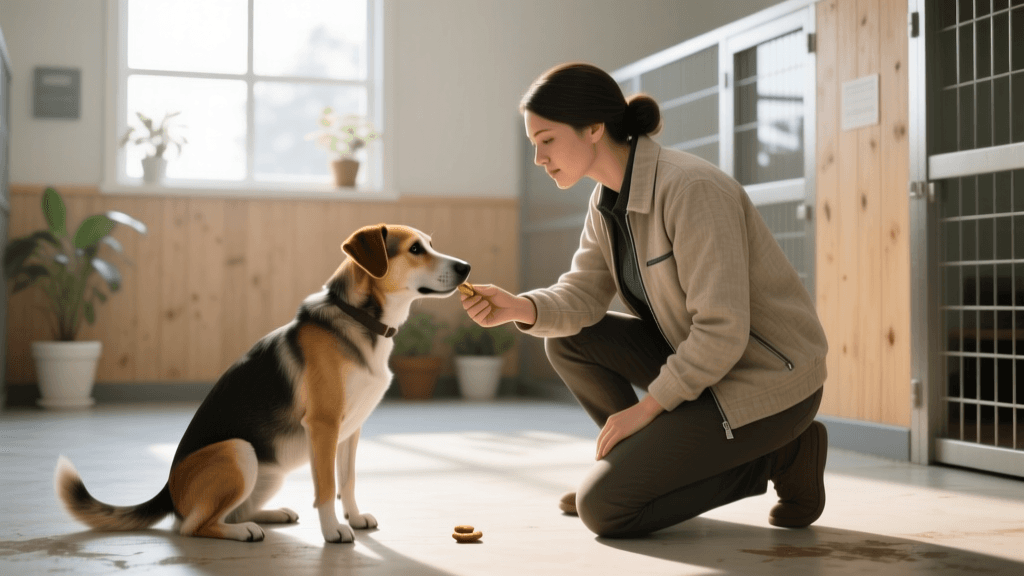
- Obedience Training: Utilize positive reinforcement methods. Both breeds are highly food-motivated, making treats an excellent tool for recall training.
- Mental Stimulation: Physical exercise is only half the equation. Incorporate puzzle toys like the Kong Classic or Outward Hound Nina Ottosson puzzles to tire out their active brains.
Because of their retrieving heritage, games of fetch, frisbee, and swimming are ideal. If you live near a lake or have access to a dog-friendly beach, both breeds will thrive, though the Labrador's otter tail gives them a slight edge in aquatic maneuverability.
Grooming Requirements and Maintenance Costs
Grooming is where the daily reality of owning these breeds diverges significantly. While both possess a double coat that sheds heavily, the Golden Retriever demands a more rigorous grooming schedule.
- Labrador Grooming: Requires brushing 2 to 3 times a week with a rubber curry brush or a bristle brush to remove loose hair and distribute natural oils. Baths are needed every 6 to 8 weeks, or as needed if they swim in murky water.
- Golden Retriever Grooming: Requires brushing every other day, if not daily, using an undercoat rake and a slicker brush. The feathering on their ears, legs, and tail is highly susceptible to painful matting. Professional grooming sessions every 8 to 10 weeks for sanitary trims and ear cleaning are highly recommended, adding roughly $50 to $80 per session to your budget.
For both breeds, investing in a high-quality deshedding tool, such as the FURminator, during their bi-annual seasonal coat 'blowouts' in the spring and fall is essential to save your home's upholstery.
Health Profiles and Lifespan Expectancy
Both breeds are generally robust, but they share predispositions to certain genetic conditions, particularly orthopedic issues. Hip and elbow dysplasia are prevalent in both, making it imperative to purchase puppies only from breeders who conduct and publish Orthopedic Foundation for Animals (OFA) health clearances for the parents.
However, the Golden Retriever faces a well-documented and heartbreaking susceptibility to cancer. According to the Golden Retriever Club of America's health resources, hemangiosarcoma and lymphosarcoma are leading causes of mortality in the breed, which slightly depresses their average lifespan compared to the Lab. Goldens are also prone to skin allergies and ear infections due to their heavy, floppy ears trapping moisture. Labradors are notoriously prone to obesity if their diet is not strictly managed, as they possess a genetic mutation that affects their satiety, making them feel constantly hungry.
Financial Considerations: What to Budget
Bringing either of these large breeds into your home requires a significant financial commitment. Prospective owners should prepare for the following estimated costs:
- Initial Purchase/Adoption: $1,500 to $3,000 from a reputable, health-testing breeder. Adoption fees from breed-specific rescues typically range from $300 to $600.
- High-Quality Food: $600 to $900 annually for premium large-breed kibble or a balanced raw diet.
- Preventative Medications: $200 to $300 yearly for heartworm, flea, and tick preventatives.
- Pet Insurance: $50 to $90 per month, which is highly recommended given the potential for orthopedic surgeries or cancer treatments later in life.
Final Verdict: Which Breed Fits Your Lifestyle?
The choice between a Labrador and a Golden Retriever ultimately comes down to your household's rhythm and your willingness to manage grooming. If you lead a highly active, outdoorsy lifestyle, don't mind a bit of mud, and prefer a dog with a resilient, goofy, and hard-driving personality, the Labrador Retriever is your ideal match. They are the ultimate adventure buddies who will bounce back from any misadventure with a wagging tail.
Conversely, if you prefer a slightly more tranquil home environment, have the time to commit to daily brushing and regular professional grooming, and desire a deeply empathetic, gentle companion who is highly attuned to your emotions, the Golden Retriever will steal your heart. Both breeds will reward your careful selection with a decade or more of unwavering loyalty, joy, and unconditional love.
tom-renshaw
All our authors care for dogs every day — read more of their work on the authors page.