Best Puppy Starter Kits and Essential First-Day Gear
Discover the best puppy starter kits and essential first-day gear. Our buyer's guide covers crates, bowls, and toys for new dog owners.
Welcome Home: The Ultimate Puppy Gear Buyer's Guide
Bringing a new puppy home is one of the most exciting milestones in life, but it also comes with a daunting shopping list. Walking into a pet supply store or browsing online retailers can easily lead to sensory overload and unnecessary spending. According to the American Kennel Club (AKC), new owners often fall into the trap of buying gimmicky products while overlooking the high-quality essentials that actually make the transition easier for both the dog and the owner.
Building the right puppy starter kit is about investing in safety, durability, and training efficacy. This comprehensive buyer's guide breaks down the exact gear you need for your puppy's first day, what to avoid, and how to budget for the items that truly matter.
The 5 Essential Categories for Your Puppy Starter Kit
1. Crates and Confinement Gear
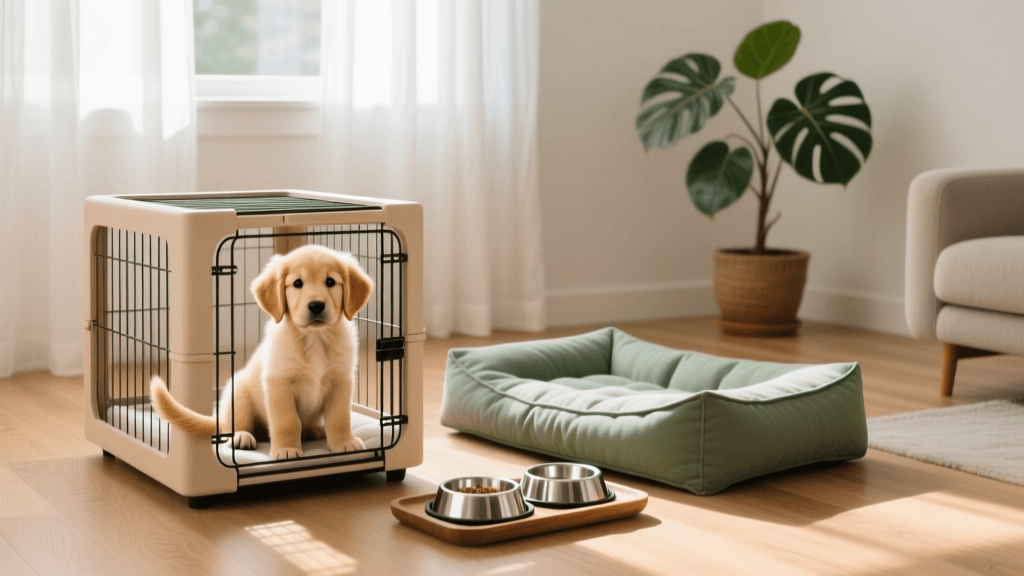
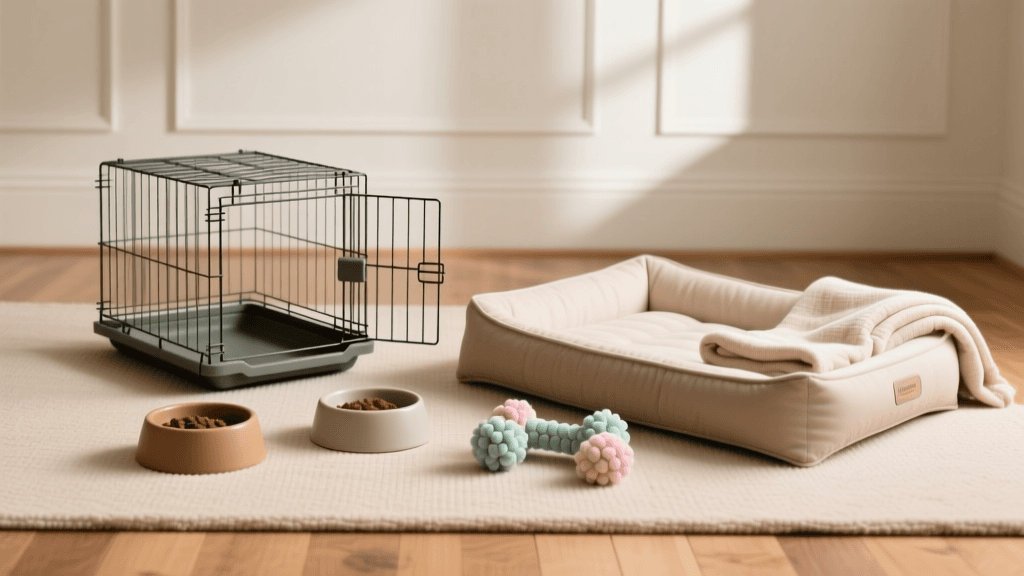
A crate is not just a bed; it is a vital tool for potty training, travel, and creating a safe den environment. The Humane Society of the United States emphasizes that dogs are naturally den-dwelling animals, and a properly introduced crate provides them with a secure sanctuary. When selecting a wire crate, look for one with an adjustable divider panel. This allows you to buy a crate sized for your dog's adult dimensions (e.g., a 36-inch crate for a Labrador Retriever or a 24-inch crate for a French Bulldog) while restricting the space to a smaller area while they are a puppy. This prevents them from soiling one end of the crate and sleeping in the other, which is a common hurdle in housebreaking.
Buyer's Recommendation: The MidWest Homes for Pets iCrate is widely considered the gold standard for first-time owners. It features heavy-duty slide-bolt latches, rounded corners to protect your floors, and a composite plastic pan that is easy to remove and clean. Expect to spend between $50 and $90 depending on the size.
2. Food and Water Bowls
Stainless steel bowls are the absolute best choice for puppy feeding. Unlike plastic bowls, which can harbor bacteria in microscopic scratches and cause canine acne or contact dermatitis on your puppy's sensitive snout, stainless steel is non-porous, rust-resistant, and incredibly easy to sanitize in the dishwasher. Brands like Frisco and Petmate offer heavy-bottomed stainless steel bowls with non-slip rubber rings that prevent tipping and sliding across hard floors. If your puppy tends to inhale their food, consider investing in an Outward Hound Fun Feeder slow-bowl to prevent bloat and improve digestion. Expect to spend between $10 and $20 for a high-quality set.
3. Harnesses and Leashes
For walking gear, skip the traditional neck collar for your first few months. Puppies have delicate tracheas, and a sudden lunge at a squirrel can cause serious neck injuries. Instead, invest in a front-clip or dual-clip harness. The Rabbitgoo No-Pull Dog Harness is a favorite among professional trainers because it distributes pressure evenly across the chest and shoulders, discouraging pulling without causing harm. Pair this with a standard 6-foot nylon or leather leash. Avoid retractable leashes entirely; they offer poor control, can cause severe friction burns to your hands, and inadvertently teach your puppy that pulling results in more freedom.
4. Enzymatic Cleaners
Accidents will happen, and standard household cleaners simply will not cut it. You must invest in a high-quality enzymatic cleaner like Nature's Miracle or Rocco & Roxie Professional Strength Stain & Odor Eliminator. These cleaners use natural bio-enzymes to break down the uric acid crystals found in dog urine. If you use an ammonia-based household cleaner, it will actually smell like urine to your puppy's highly sensitive nose, encouraging them to mark the exact same spot again. A 32-ounce bottle typically costs around $12 to $15 and is an absolute non-negotiable for your starter kit.
5. Teething and Interactive Toys
Puppies explore the world with their mouths, and between 12 and 16 weeks of age, they will begin teething. Providing appropriate chewing outlets is critical to saving your baseboards and favorite shoes. The KONG Classic Puppy Toy (the pink or blue rubber version) is designed specifically for developing teeth and jaws. You can stuff it with puppy-safe peanut butter or plain yogurt and freeze it to provide hours of soothing, mentally stimulating entertainment. Additionally, consider purchasing a variety of textured chew toys, such as Nylabone Puppy Chew keys, to massage their sore gums.
Comparison Chart: Best Puppy Crates for First-Time Owners
Choosing the right confinement method depends on your lifestyle, your puppy's breed, and your home layout. Use the table below to compare the most common crate types on the market.
| Crate Type | Best For | Pros | Cons | Average Cost |
|---|---|---|---|---|
| Wire Crate | Growing Puppies, Home Training | Durable, Foldable, Includes Divider Panel | Heavy, Can Be Noisy, Less Den-Like | $50 - $90 |
| Soft-Sided | Travel, Small Breeds, Car Rides | Lightweight, Portable, Easy to Store | Easily Chewed, Difficult to Clean Accidents | $30 - $60 |
| Plastic (Airline) | Frequent Flyers, Den Lovers | Cozy, Airline Approved, Draft-Proof | Poor Ventilation, Bulky, Hard to Wash | $40 - $100 |
| Furniture Style | Living Rooms, Aesthetics | Looks Like Furniture, Sturdy Wood Build | Expensive, Not Chew-Proof, Very Heavy | $150 - $350 |
Pre-Assembled Puppy Starter Kits: Are They Worth the Money?
Many big-box pet stores and online retailers offer pre-assembled puppy starter kits. These bundles typically include a wire crate, a plastic food bowl, a basic nylon leash, a collar, and a small bag of treats, often priced between $60 and $120. While the convenience is appealing, these kits are rarely the best financial or qualitative choice for a first-time owner. The included bowls are often lightweight plastic, the leashes lack sturdy hardware, and the crates may feature thin wire gauges that bend easily under pressure.
Instead of buying a generic bundle, allocate that same $100 budget toward purchasing individual, high-quality items tailored to your specific breed's size and chewing habits. For example, a heavy chewer will destroy a kit's included plush toys in minutes, whereas investing in a solid rubber KONG and a durable hemp leash will provide months of reliable use. Build your own kit to ensure every dollar is spent on gear that will actually survive the puppy phase.
Common Puppy Gear Mistakes to Avoid
- Retractable Leashes: As mentioned, these teach pulling and offer zero emergency control. Stick to a fixed 6-foot leash.
- Plastic Bowls: These scratch easily, harbor bacteria, and can cause allergic reactions or chin acne on sensitive puppy skin.
- Cheap Rawhide Chews: Traditional rawhide is heavily processed, difficult to digest, and poses a massive choking and intestinal blockage hazard. Opt for digestible alternatives like bully sticks, yak cheese chews, or solid rubber toys.
- Beds That Are Too Fluffy: It is tempting to buy a plush, overstuffed dog bed that looks like a miniature sofa. However, puppies are notorious for digging, nesting, and ultimately chewing through soft fabrics. Ingesting poly-fill stuffing can lead to life-threatening intestinal blockages requiring emergency surgery. For the first six months, opt for a durable, chew-resistant cot-style bed (like the Coolaroo Elevated Pet Bed) or simply use a washable fleece blanket folded over a crate mat. Wait until your puppy has outgrown the destructive chewing phase before investing in luxury orthopedic beds.
Puppy-Proofing: Safety Gear You Didn't Know You Needed
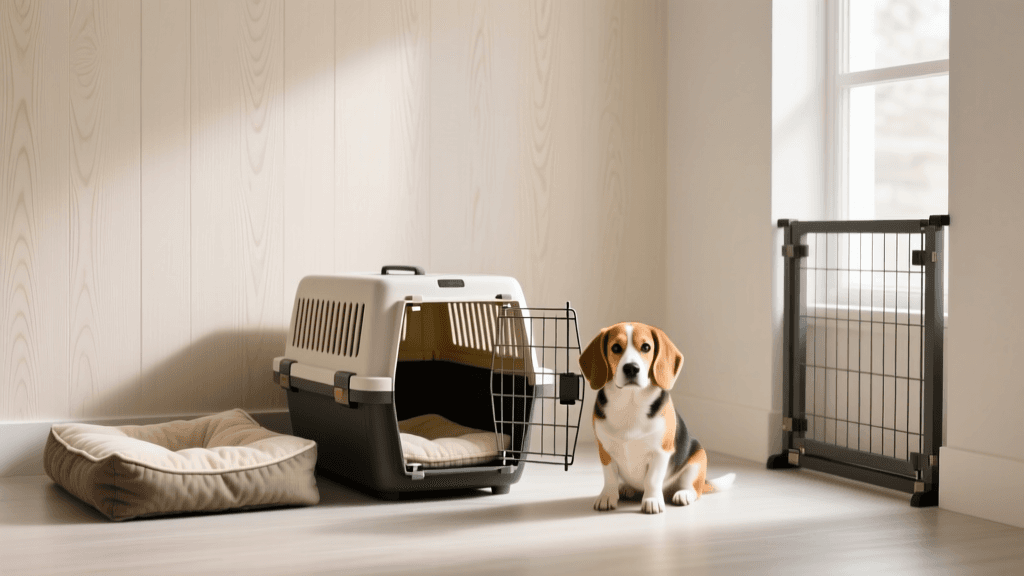
Before your puppy steps foot inside, you must puppy-proof your environment. The ASPCA's New Dog Care Guide strongly advises getting down on your hands and knees to view your home from a puppy's perspective. Invest in hardware-mounted baby gates (like those from Regalo or Carlson) to block off staircases and rooms with toxic plants or electrical cords. Pressure-mounted gates are often easily pushed over by medium-to-large breed puppies. Additionally, purchase bitter apple spray to deter chewing on furniture legs, and use cord concealers to prevent fatal electrical shocks. Budget around $50 to $100 for these essential safety modifications.
Final Thoughts on Building Your Puppy Kit
Preparing for a new dog is an investment in their long-term behavior and safety. By focusing on high-quality crates, stainless steel feeding gear, proper walking harnesses, and enzymatic cleaners, you set the foundation for a smooth transition. Skip the pre-assembled kits and novelty items, and instead build a customized starter kit that addresses the specific needs of your new companion. With the right gear in hand, you will be fully prepared to welcome your puppy home with confidence and peace of mind.
tom-renshaw
All our authors care for dogs every day — read more of their work on the authors page.