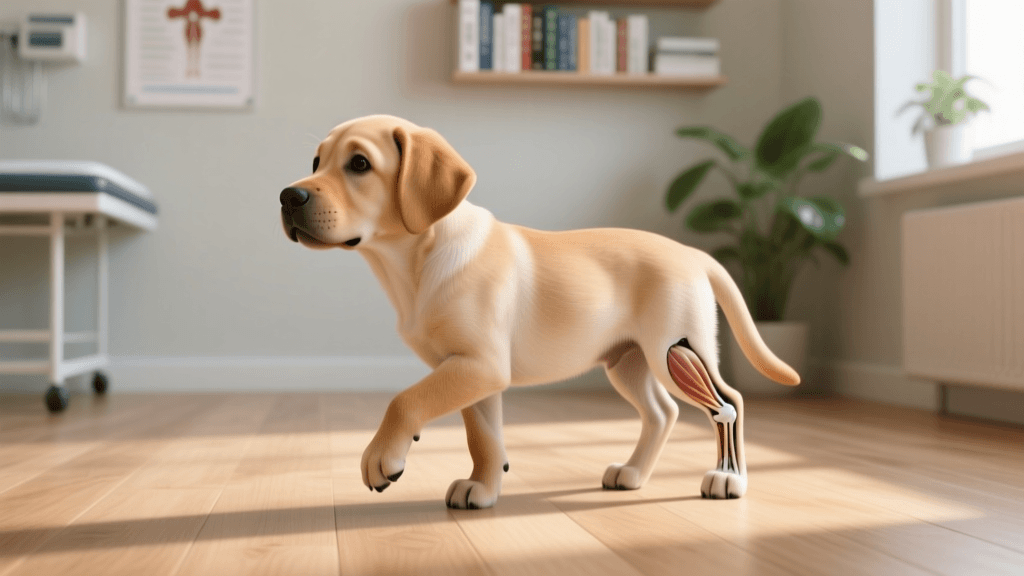
Puppy Joint Health: Early Canine OA Treatment Guide 2026
Discover 2026 veterinary guidelines for early canine OA treatment in puppies. Learn to manage juvenile joint issues, hip dysplasia, and pain safely.
The Hidden Epidemic of Juvenile Osteoarthritis
When most pet parents hear the term osteoarthritis (OA), they immediately picture a senior dog struggling to climb the stairs. However, the foundation for canine OA is frequently laid during the first twelve months of life. Developmental Orthopedic Diseases (DOD), such as hip dysplasia, elbow dysplasia, and osteochondritis dissecans (OCD), can trigger inflammatory joint changes in puppies as young as three months old. If left unaddressed, these juvenile joint issues rapidly accelerate cartilage degradation, leading to early-onset, irreversible osteoarthritis.
As we navigate 2026, veterinary orthopedic specialists are shifting their focus from reactive senior care to proactive juvenile intervention. Treating canine OA in puppies requires a radically different approach than treating adult dogs. Growing skeletons, developing organs, and strict nutritional requirements mean that standard adult OA medications are often unsafe or inappropriate for pups. This comprehensive guide explores the latest 2026 veterinary protocols for early canine OA treatment, focusing on preserving joint health, managing pain, and altering the trajectory of your puppy's orthopedic future.
Understanding Developmental Orthopedic Disease (DOD)
Before implementing an OA treatment plan, it is crucial to understand the root cause of juvenile joint pain. DOD encompasses a variety of conditions that affect the musculoskeletal system during a puppy's rapid growth phases. The most common culprit is hip dysplasia, a genetic and environmental condition where the ball and socket of the hip joint do not fit or develop properly.
According to the American Kennel Club, hip dysplasia leads to joint laxity, which causes the bones to grind against one another. This friction initiates an inflammatory cascade that destroys articular cartilage, officially marking the beginning of osteoarthritis. Elbow dysplasia and luxating patellas operate on similar principles of abnormal joint loading and subsequent cartilage wear. Recognizing the subtle signs of juvenile OA—such as 'bunny hopping' gaits, reluctance to jump into the car, or stiffness after napping—is the first step in early intervention.
The 2026 Veterinary Consensus on Weight and Growth Curves
The single most effective, non-pharmacological treatment for early canine OA is strict weight management. In 2026, veterinary nutritionists emphasize that puppies, particularly large and giant breeds, must be kept on the leaner side of the growth spectrum to minimize mechanical stress on developing joints.
- Body Condition Score (BCS): Puppies prone to joint issues should be maintained at a BCS of 4 out of 9. You should be able to easily feel their ribs without a thick layer of fat, and they should have a visible abdominal tuck.
- Large Breed Puppy Formulas: Feeding a diet specifically formulated for large breed puppies is non-negotiable. These diets restrict caloric density and maintain a precise Calcium-to-Phosphorus ratio (strictly between 1.1:1 and 1.4:1) to prevent rapid, disordered bone growth that exacerbates joint laxity.
- The 5-Minute Exercise Rule: To prevent micro-trauma to developing cartilage, structured exercise should be limited to five minutes per month of age, twice a day. A four-month-old puppy should only have 20 minutes of structured walking per session, avoiding high-impact activities like agility, frisbee, or repetitive stair climbing.
Nutraceuticals: Building Cartilage in the First Year
While adult dogs often rely heavily on pharmaceutical pain relief, puppy OA treatment prioritizes joint-modifying nutraceuticals. These supplements aim to provide the building blocks for cartilage repair and modulate joint inflammation without interfering with skeletal development.
| Supplement Type | Primary Active Ingredients | Role in Puppy OA Treatment | 2026 Veterinary Recommendation |
|---|---|---|---|
| Omega-3 Fatty Acids | EPA and DHA (Marine sources) | Down-regulates inflammatory enzymes that destroy cartilage. | Highly recommended; aim for 300mg combined EPA/DHA per 10kg of expected adult weight. |
| Green Lipped Mussel | ETA, Glycosaminoglycans | Provides natural joint lubrication and mild COX-2 inhibition. | Excellent for mild juvenile stiffness; safe for long-term daily use in pups. |
| Glucosamine/Chondroitin | Glucosamine HCl, Chondroitin Sulfate | Supports synovial fluid viscosity and cartilage matrix synthesis. | Recommended for breeds with known genetic predispositions to dysplasia. |
| Undenatured Type II Collagen | UC-II | Modulates the immune response to prevent cartilage autoimmune attack. | Emerging in 2026 protocols for early elbow dysplasia management. |
Medical Pain Management in the First Year
Managing pain in a puppy with early OA requires extreme caution. The U.S. Food and Drug Administration notes that while Non-Steroidal Anti-Inflammatory Drugs (NSAIDs) are a cornerstone of adult OA treatment, their use in growing puppies is heavily restricted. NSAIDs can interfere with bone remodeling and carry higher risks of gastrointestinal and renal issues in very young dogs.
Furthermore, the revolutionary anti-NGF monoclonal antibody therapies (such as bedinvetmab/Librela) that have transformed adult OA care in recent years are strictly contraindicated for puppies. Nerve Growth Factor (NGF) is essential for normal neurological and skeletal development in growing animals. Therefore, 2026 veterinary protocols for juvenile OA pain rely on short, carefully monitored courses of puppy-safe NSAIDs (like meloxicam, dosed strictly by a veterinarian) during acute flare-ups, combined with alternative modalities like veterinary acupuncture, cold laser therapy (photobiomodulation), and canine rehabilitation hydrotherapy.
Early Surgical Interventions to Halt OA Progression
In cases where developmental orthopedic diseases are caught early, surgical intervention during the first year of life can dramatically alter the course of osteoarthritis, effectively preventing or delaying severe joint degeneration.
Juvenile Pubic Symphysiodesis (JPS)
JPS is a minimally invasive procedure performed on puppies between 16 and 20 weeks of age. By using electrocautery to prematurely fuse the growth plate at the bottom of the pelvis, the hip sockets are forced to rotate and cover the femoral head more completely as the puppy grows. This creates a more stable joint, significantly reducing the laxity that causes early OA.
Triple Pelvic Osteotomy (TPO)
For puppies between 5 and 8 months of age who show signs of hip laxity but have not yet developed severe osteoarthritic changes, a TPO may be recommended. The surgeon cuts the pelvis in three places and rotates the hip socket to provide better coverage of the femoral head. Once secured with a specialized bone plate, the joint stabilizes, preserving the native hip and delaying the need for a Total Hip Replacement (THR) later in life.
Environmental Modifications for the Growing Pup
Treating puppy OA extends beyond the veterinary clinic and into your living room. Environmental management is critical to protect vulnerable growth plates and inflamed joint capsules.
- Traction Control: Slippery hardwood or tile floors force puppies to splay their legs, putting immense torque on the hip and elbow joints. Use interlocking foam mats or secure non-slip area rugs in all primary play and rest zones.
- Ramp Training: Teach your puppy to use a ramp or pet stairs to access furniture or the vehicle from day one. Jumping down from a bed creates a concussive force equivalent to several times the puppy's body weight, directly impacting the cartilage.
- Orthopedic Support: Invest in a high-density, supportive orthopedic puppy bed. Memory foam helps distribute weight evenly, preventing pressure sores and reducing joint stiffness after long periods of rest.
Conclusion
Early canine OA treatment is a race against the clock. By recognizing the signs of developmental orthopedic disease, adhering to strict 2026 nutritional and weight guidelines, utilizing targeted nutraceuticals, and considering early surgical options, you can preserve your puppy's joint health. Proactive management during the first year of life is the greatest gift you can give your dog, ensuring they grow into an active, pain-free adult ready for a lifetime of adventures.
anouk-beaumont
All our authors care for dogs every day — read more of their work on the authors page.