Expert Behavior Guide: Introducing a Second Dog Safely
Learn expert behavior analysis techniques for introducing a second dog. Manage thresholds, read canine body language, and ensure a peaceful multi-dog home.
The Behavioral Science of Multi-Dog Households
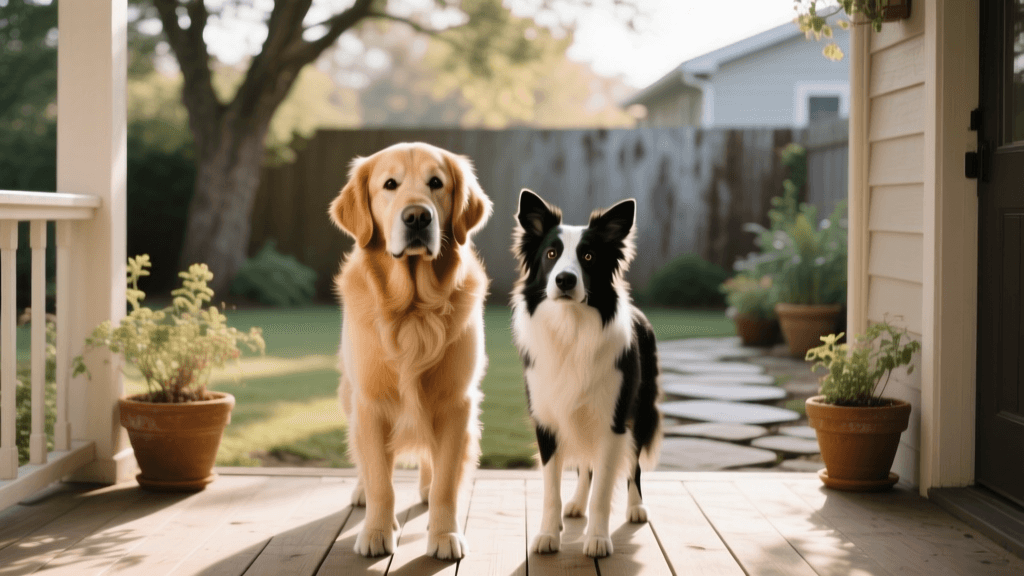
Bringing a second dog into your home is a profound shift in your resident dog's environmental and social landscape. From an expert behavior analysis perspective, this transition is not merely about 'letting them meet and see what happens.' It is a complex process of threshold management, operant conditioning, and environmental engineering. When done incorrectly, rushed introductions can trigger resource guarding, barrier frustration, and chronic stress. When executed with behavioral precision, you lay the groundwork for a lifelong, secure bond between your canine companions.
According to the ASPCA, the most critical factor in a successful introduction is neutrality. The goal of the first few weeks is not forced play, but rather calm coexistence and the absence of negative emotional responses. This comprehensive guide will walk you through the exact behavioral protocols, environmental setups, and body language metrics required to integrate a new dog safely.
Understanding Canine Thresholds and Arousal Levels
In applied behavior analysis, a 'threshold' is the point at which a dog's emotional arousal shifts from a relaxed, thinking state to a reactive, survival-driven state. When introducing a second dog, your primary job is to keep both dogs 'under threshold.' If a dog is over threshold, their sympathetic nervous system is engaged, meaning they are physically incapable of learning or processing new social cues.
Recognizing Pre-Threshold Stress Signals
Before a dog exhibits overt reactivity (lunging, barking, snapping), they broadcast subtle 'calming signals'—a concept pioneered by canine behavior expert Turid Rugaas. Watch for these early indicators of stress in your resident dog:
- Lip Licking and Yawning: When not related to food or waking up, these are primary displacement behaviors indicating cognitive conflict or mild stress.
- Whale Eye: The dog turns its head away but keeps its eyes fixed on the new dog, exposing the whites of the eyes (sclera).
- Body Stiffness and Freezing: A sudden cessation of movement, often with a closed mouth and forward-leaning weight distribution.
- Scratching or Sniffing the Ground: Used as a displacement activity to avoid direct social engagement when feeling overwhelmed.
Expert Tip: If you observe three or more of these signals within a single minute, the environment is too stimulating. Immediately increase the physical distance between the dogs by 10 to 15 feet to help lower their arousal levels.
Environmental Engineering: Setting Up for Success
Before the new dog crosses your property line, you must engineer the home environment to prevent rehearsal of unwanted behaviors. Resource guarding is one of the most common issues in newly formed multi-dog households. To mitigate this, establish a 'safe zone' protocol.
Essential Equipment and Costs
- Hardware-Mounted Baby Gates: Avoid pressure-mounted gates, which can be knocked over by medium-to-large dogs. Invest in hardware-mounted gates like the Regalo Super Wide Metal Baby Gate (approx. $80-$110) to create permanent visual barriers.
- Dual Crate Systems: Each dog needs an independent, covered sanctuary. MidWest Homes for Pets wire crates (approx. $60-$90 each) covered with a breathable blanket provide excellent decompression zones.
- Separate Resource Stations: Purchase duplicate, visually distinct food and water bowls (e.g., one stainless steel, one ceramic) and feed the dogs in completely separate rooms for the first 30 days.
- Scent Swapping Tools: Use Kong Classic toys (approx. $15 each) or Snuffle Mats to feed meals separately while swapping the items between the dogs' zones to build positive associative conditioning with the other's scent.
The Parallel Walking Protocol
The initial physical introduction should never happen inside the home or in a confined yard. It must occur in a neutral, open environment using the Parallel Walking Protocol. As recommended by the American Kennel Club (AKC), walking together mimics the natural pack behavior of traveling in the same direction without the pressure of direct, face-to-face confrontation.
Step-by-Step Execution
- Equipment: Use 6-foot leather or biothane leashes (avoid retractable leashes, which offer zero tension control). Fit both dogs with front-clip harnesses, such as the Ruffwear Front Range (approx. $40), to safely redirect forward momentum without causing tracheal damage.
- Starting Distance: Begin the walk on a wide sidewalk or empty field with the dogs 30 feet apart, handled by two separate, calm adults.
- The 'Look At That' (LAT) Game: When the resident dog looks at the new dog, mark the behavior with a clicker or a verbal 'Yes!' and deliver a high-value treat (like boiled chicken or freeze-dried liver). This conditions the resident dog to associate the sight of the new dog with positive reinforcement.
- Gradual Closure: Every 5 to 10 minutes, if both dogs are exhibiting loose, wiggly body language, decrease the distance by 3 to 5 feet. If either dog stiffens, fixates, or pulls, you have crossed their threshold. Immediately increase the distance back to the last successful marker.
- Duration: Keep the first parallel walk to a maximum of 20 minutes. Prolonged exposure leads to mental fatigue and a sudden drop in impulse control.
Behavioral Analysis: Reading the Interaction
Once the dogs are comfortable walking side-by-side at a distance of 5 feet or less, you can allow a brief, on-leash sniffing session. Keep leashes loose; tight leashes create artificial tension that mimics a fight-or-flight posture. Use the table below to analyze their interaction in real-time.
| Behavioral Indicator | Healthy Play / Relaxation (Green Light) | Stress / Escalation Risk (Red Light) |
|---|---|---|
| Body Posture | Loose, wiggly, lateral movements, 'play bows' with relaxed elbows. | Stiff, rigid, forward-leaning, hackles raised, tail held high and vibrating. |
| Vocalization | Sneezes, soft huffs, intermittent playful barks with open, relaxed mouths. | Low-pitched growls, continuous high-pitched barking, snarling with wrinkled muzzle. |
| Eye Contact | Averted eyes, soft blinking, frequent breaks in gaze to sniff the ground. | Hard, unblinking stares, fixation on the other dog's neck or ears. |
| Role Reversal | Dogs take turns chasing, wrestling, and being on top/bottom. | One dog continuously pins the other, ignoring the submissive dog's appeasement signals. |
If you observe any 'Red Light' behaviors, calmly call your dog away using a trained recall cue, reward them heavily for disengaging, and end the session immediately.
The 30-Day Decompression Period
Behaviorists frequently utilize the '3-3-3 Rule' for canine decompression. It takes roughly 3 days for a dog to process the initial shock of a new environment, 3 weeks to begin understanding the household routine, and 3 months to fully settle and show their true personality. During the first 30 days, treat the new dog as a guest, not a sibling.
Management Rules for the First Month:
- Zero Unsupervised Access: The dogs should never be left alone in the same room or yard together, even if they appear to be getting along. Arousal can spike in a millisecond over a dropped toy or a sudden noise.
- Resource Removal: Pick up all high-value chews (bully pizzle, antlers), bones, and toys when the dogs are in the same space. Only provide these items when they are safely separated behind crates or baby gates.
- Individual Training Sessions: Dedicate 15 minutes a day to one-on-one training with your resident dog. This prevents feelings of displacement and reinforces your bond through positive reinforcement.
When to Consult a Certified Behavior Professional
While many dogs integrate smoothly using these management techniques, certain behavioral red flags require immediate intervention from a qualified professional. If you observe food guarding that results in snapping, severe barrier aggression when the dogs are separated by a gate, or if your resident dog stops eating, pacing obsessively, or exhibits signs of chronic sleep deprivation, do not attempt to rehabilitate the behavior alone.
Seek out a professional accredited by the International Association of Animal Behavior Consultants (IAABC) or a board-certified veterinary behaviorist (DACVB). Expect to invest between $150 and $250 per hour for a comprehensive behavioral assessment and a customized desensitization and counter-conditioning (DS/CC) protocol. Early investment in professional guidance is vastly cheaper—and safer—than dealing with a severe dog fight that could result in thousands of dollars in veterinary bills or the tragic need to rehome one of the dogs.
Conclusion
Introducing a second dog is an exercise in patience, observation, and environmental control. By prioritizing threshold management, utilizing parallel walking protocols, and strictly managing resources, you remove the pressure from your dogs to 'figure it out' on their own. You are acting as their behavioral architect, building a foundation of safety and predictability that will allow a genuine, lifelong friendship to organically flourish over time.
anouk-beaumont
All our authors care for dogs every day — read more of their work on the authors page.