How to Stop Resource Guarding Between Dogs at Home
Is your dog growling over food or toys? Learn how to diagnose and safely stop resource guarding between dogs in multi-pet households.
Understanding Resource Guarding in Multi-Dog Homes
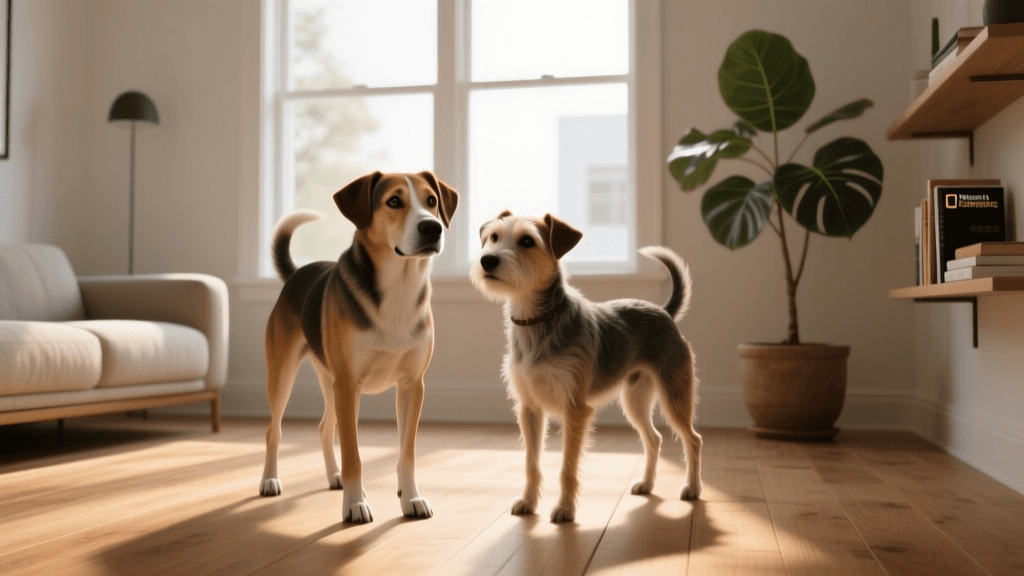
Sharing your life with multiple dogs can be an incredibly rewarding experience, filled with double the companionship and endless entertainment. However, introducing a second or third dog into the home can also unearth complex behavioral challenges. One of the most stressful and potentially dangerous issues multi-pet owners face is resource guarding. Resource guarding occurs when a dog exhibits aggressive or defensive behaviors to maintain control over a valued item, space, or person in the presence of another dog or human.
While it is heartbreaking to watch your beloved pets snarl or snap at one another, it is crucial to understand that this behavior is rooted in evolutionary survival instincts. According to the American Kennel Club (AKC), resource guarding is a natural behavior where a dog attempts to protect something they perceive as vital to their survival or well-being. In a multi-dog household, the competition for these resources can quickly escalate from subtle warnings to severe veterinary emergencies if left unmanaged.
Diagnosing the Root of the Guarding Behavior
Before you can solve the problem, you must accurately diagnose what your dog is guarding and recognize their early warning signs. Dogs do not just guard food bowls; they can guard high-value chews (like bully sticks or raw bones), favorite plush toys, prime sleeping locations (like the master bed or a specific crate), and even their owners' affection.
Subtle vs. Overt Warning Signs
Many owners only notice resource guarding when a fight breaks out, but dogs communicate their discomfort long before a bite occurs. Diagnosing the early, subtle signs of canine body language is critical for prevention. The Humane Society of the United States emphasizes that understanding these micro-expressions can prevent bites and reduce household tension.
- Subtle Signs (Early Warnings): 'Whale eye' (showing the whites of the eyes), lip licking, yawning, sudden freezing, stiffening of the body, and eating noticeably faster when the other dog approaches.
- Overt Signs (Late Warnings): Hard staring, raised hackles, low-pitched growling, curling the lip to show teeth, snapping, and ultimately, biting.
The Danger of Punishing the Growl
A common mistake well-meaning owners make is punishing the dog for growling. If you scold or physically correct a dog for vocalizing their discomfort, you do not eliminate the underlying anxiety or the desire to guard the resource. Instead, you suppress the warning system. As highlighted by the American Veterinary Society of Animal Behavior (AVSAB), using punishment-based training methods can increase fear and anxiety, leading to a dog that bites without any prior warning. The goal of diagnosis and treatment is to change the dog's emotional response, not just silence their communication.
Immediate Management: Stop the Rehearsal
Behavior modification takes time—often three to six months of consistent work. In the meantime, you must manage the environment to ensure safety and prevent your dogs from 'rehearsing' the unwanted behavior. Every time a dog successfully guards a resource and the other dog backs away, the guarding behavior is reinforced.
Essential Management Tools and Costs
Investing in the right management tools is non-negotiable for a multi-dog home dealing with resource guarding. Expect to spend between $100 and $200 upfront to properly secure your home.
- Hardware-Mounted Baby Gates: Avoid pressure-mounted gates, which can be pushed over by a determined dog. Invest in a hardware-mounted gate like the Carlson Pet Products Walk-Thru Gate (approx. $60-$80). Use these to separate dogs during high-value chew times.
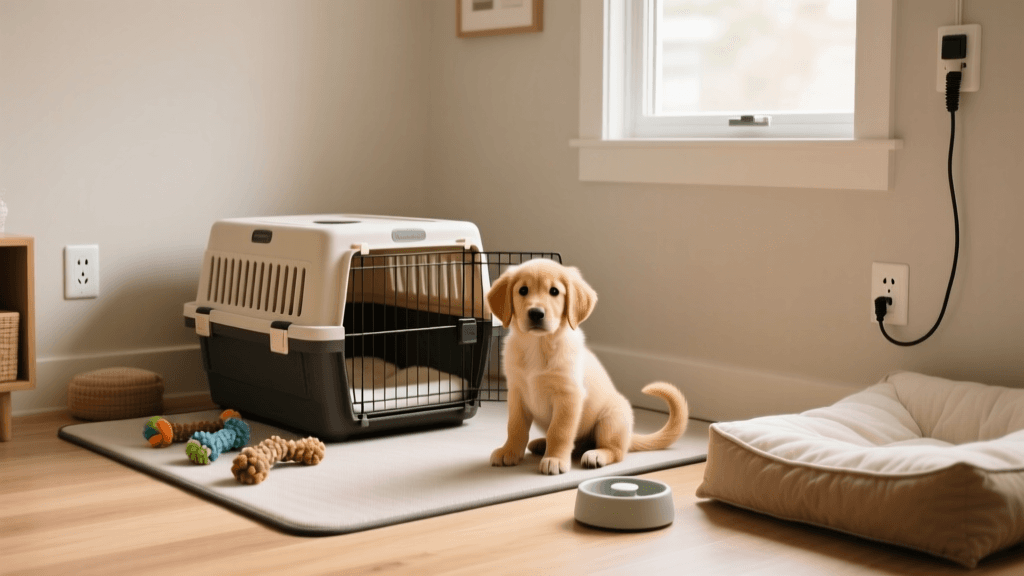
- Double-Door Crates: A sturdy crate like the MidWest Homes for Pets iCrate (approx. $50-$90) provides a safe, lockable space for feeding. Never allow dogs to enter each other's crates.
- High-Value Training Treats: You need treats that are significantly better than the guarded item. Stock up on Stella & Chewy's Freeze-Dried Raw or Zuke's Mini Naturals (approx. $8-$35 per bag). Pea-sized portions keep calorie intake in check while maintaining high motivation.
Pro Tip: Implement a strict 'Pick-Up' policy. If a toy or bone is not actively being played with under your direct supervision, it goes into a closed bin. This removes the opportunity for spontaneous guarding incidents over stray items on the living room rug.
Long-Term Solutions: Behavior Modification Protocols
Once the environment is managed, you can begin actively changing how your dogs feel about each other's proximity to valued resources. This requires patience, precise timing, and high-value rewards.
Protocol 1: The 'Trade-Up' Game
The Trade-Up game teaches the guarding dog that giving up an item results in something even better, rather than a loss. This should be practiced with each dog individually before attempting it in a multi-dog setting.
- Start Low-Value: Give your dog a low-value item, such as a piece of dry kibble or a worn-out rope toy.
- Present the Trade: Show them a high-value treat (e.g., freeze-dried liver or boiled chicken) right at their nose.
- Mark and Reward: The moment they drop the low-value item to take the treat, say 'Yes!' or click a clicker, and give them the treat.
- Return the Item: Once they finish the treat, give the original item back. This builds trust; they learn that dropping an item doesn't mean it's gone forever.
- Add the Cue: Once the dog reliably drops the item, introduce the verbal cue 'Drop it' or 'Trade' just before presenting the treat.
Protocol 2: Proximity Desensitization and Counter-Conditioning
This protocol changes the emotional response of the guarding dog when the other dog approaches their resource.
- Find the Threshold: Identify the distance at which the guarding dog notices the other dog but does not show stress (e.g., 15 feet). The non-guarding dog should be on a leash or held by a partner.
- Pair Proximity with Good Things: Give the guarding dog their food bowl or a long-lasting chew (like a Kong stuffed with peanut butter). While they eat, the other dog stands at the 15-foot threshold.
- Toss Treats: Continuously toss high-value treats to the guarding dog as long as the other dog is present. When the other dog leaves the room, the treat tossing stops.
- Decrease Distance Gradually: Over several weeks, decrease the distance by 1-2 feet per session, provided the guarding dog remains relaxed, loose, and willing to eat. If they stiffen or stop eating, you have moved too close, too fast. Increase the distance immediately.
Resource Guarding Trigger & Action Matrix
Use the following table to diagnose specific triggers in your home and apply the correct management and training strategy.
| Trigger Item / Context | Risk Level | Immediate Management Strategy | Long-Term Training Protocol |
|---|---|---|---|
| Daily Kibble Meals | Medium | Feed in separate rooms or locked crates. | Proximity Desensitization (Protocol 2). |
| High-Value Chews (Bones) | High | Visual barriers; dogs separated by gates. | Trade-Up Game (Protocol 1); Solo chewing only. |
| Favorite Plush Toys | Low/Med | Pick up toys when not actively playing. | 'Drop It' cue training; structured play sessions. |
| Sleeping Spaces / Beds | High | Crate train; do not allow shared dog beds. | 'Place' command; Mat training for designated rest areas. |
| Owner Affection (Petting) | High | Ignore pushing/shoving; pet dogs separately. | 'Learn to Earn' / NILIF protocol; reward calm sits. |
When to Call a Professional
While mild to moderate resource guarding can often be managed and improved with dedicated owner training, severe cases require professional intervention. If your dogs have already drawn blood, if the guarding dog exhibits extreme panic, or if you feel unsafe managing the environment, stop DIY training immediately.
Seek out a Certified Applied Animal Behaviorist (CAAB) or a Veterinary Behaviorist (DACVB). These professionals can create customized behavior modification plans and, if necessary, discuss anti-anxiety medications that can lower your dog's baseline stress, making them more receptive to training. Expect to invest between $150 and $300 for an initial behavioral consultation, a cost that is minuscule compared to the emotional toll and veterinary bills associated with a severe dog fight.
Conclusion
Living with a resource-guarding dog in a multi-pet household requires vigilance, empathy, and a commitment to structured routines. By accurately diagnosing the triggers, implementing strict environmental management, and utilizing positive reinforcement protocols like the Trade-Up game and Proximity Desensitization, you can dramatically reduce tension in your home. Remember that progress is rarely linear; celebrate the small victories, maintain your management tools, and prioritize the safety and emotional well-being of all your canine companions.
beth-carrasco
All our authors care for dogs every day — read more of their work on the authors page.