Senior Dog Care: Adapting Your Home and Daily Routine
Discover essential senior dog care tips to adapt your home and daily routine. Learn about orthopedic beds, joint supplements, and aging dog health.
Understanding the Senior Life Stage
Watching your dog grow older is a bittersweet privilege. As your canine companion transitions into their golden years, their physical and cognitive needs shift dramatically. Providing exceptional senior dog care requires more than just extra love; it demands strategic adaptations to your home environment and daily schedule. According to the ASPCA, the onset of the senior life stage varies significantly by breed and size. While a small Chihuahua might not be considered a senior until 10 to 12 years of age, giant breeds like Great Danes or Mastiffs can enter their senior years as early as 5 or 6 years old.
Recognizing the subtle signs of aging is the first step in proactive life stage care. You might notice your dog hesitating before jumping into the car, sleeping more deeply during the day, or showing a slight cloudiness in their eyes (lenticular sclerosis). By anticipating these changes rather than simply reacting to them, you can preserve your dog's dignity, comfort, and quality of life. This comprehensive guide will walk you through the practical, actionable steps to adapt your home and routine for an aging dog.
Adapting Your Home for an Aging Dog
A home designed for a spry, three-year-old Labrador can quickly become an obstacle course for a 12-year-old with osteoarthritis. Making targeted, cost-effective modifications to your living space will drastically reduce your dog's daily pain and anxiety.
Flooring and Mobility Aids
Hardwood, laminate, and tile floors are notoriously slippery and pose a severe risk to senior dogs with weakened hindquarters or hip dysplasia. A single slip can lead to a torn cranial cruciate ligament (CCL) or a catastrophic hip fracture. To mitigate this, lay down interlocking foam puzzle mats or secure non-slip, low-pile rugs in high-traffic areas and near your dog's favorite resting spots.
For furniture access, invest in a high-quality pet ramp rather than lifting your dog, which can cause spinal stress. When selecting a ramp, the incline is critical. A safe incline for an arthritic dog is under 18 degrees. For a standard 20-inch high sofa, you will need a ramp that is at least 65 to 70 inches long. Products like the DoggoRamps Couch Ramp or the PetSafe Happy Ride Extra Long Telescoping Ramp (costing between $150 and $220) offer excellent traction and adjustable lengths to ensure a gentle slope.
Sleeping Arrangements and Joint Support
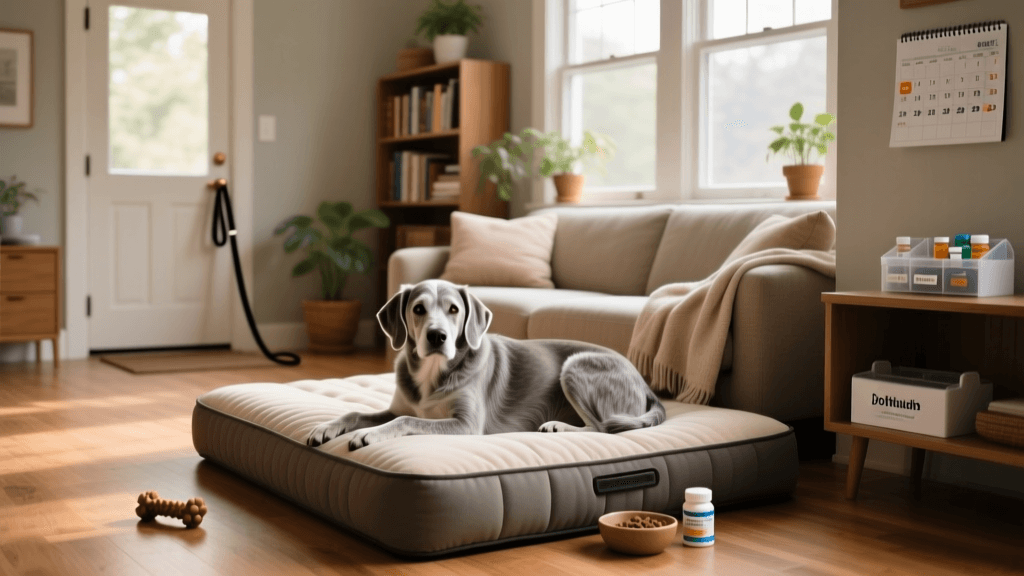
Senior dogs spend up to 18 hours a day sleeping, making their bed a crucial piece of medical equipment. Standard poly-fill beds offer zero orthopedic support and allow the dog's heavy joints to press directly against the hard floor. Upgrade to a bed featuring a minimum of 4 inches of high-density, therapeutic memory foam. Brands like Big Barker (priced around $250-$300) or the Furhaven Orthopedic Sofa Bed (around $50-$80) are engineered to distribute weight evenly and prevent pressure sores on bony prominences like elbows and hips.
Feeding and Hydration Stations
Bending down to floor level puts unnecessary strain on an older dog's neck, shoulders, and spine. Elevate your dog's food and water bowls to reduce this stress. To find the correct height, measure your dog from the floor directly beneath their front paws to the top of their shoulders, and then subtract 6 inches. Stainless steel bowls set in a sturdy, tip-proof bamboo or wrought-iron stand are ideal. Additionally, consider adding a pet water fountain to encourage hydration, as older dogs are more prone to kidney issues and dehydration.
Adjusting Your Daily Routine
Your dog's mind may still want to go on a five-mile hike, but their body can no longer keep up. Adjusting your daily routine is about finding the balance between maintaining muscle mass and preventing chronic fatigue.
Exercise and Mental Stimulation
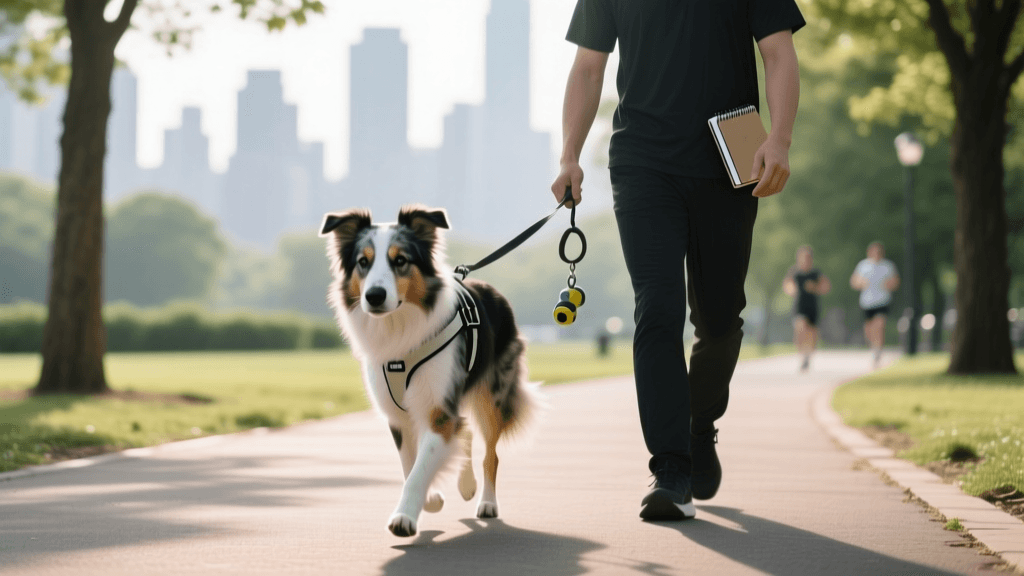
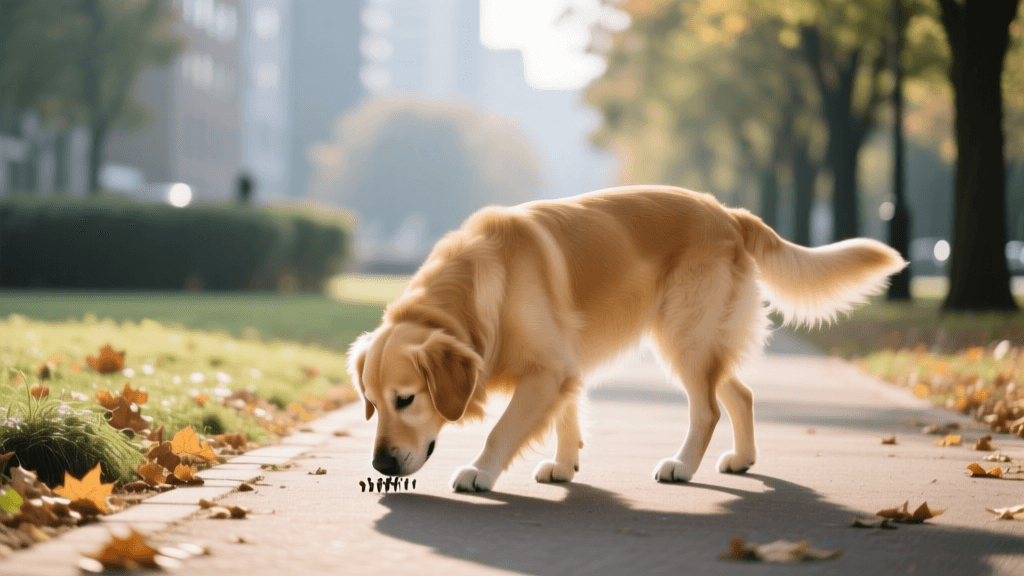
Replace long, sustained jogs with shorter, more frequent walks. Two 15-minute walks per day are vastly superior to one exhausting 45-minute trek. Introduce the concept of a 'Sniffari'—a decompression walk where your dog is allowed to stop, sniff, and process their environment at their own pace. Sniffing is mentally taxing and provides incredible cognitive enrichment, tiring your dog out without putting physical stress on their joints.
For mental stimulation at home, swap out high-impact fetch sessions for low-impact puzzle toys. Snuffle mats, frozen Kongs stuffed with low-calorie pumpkin puree, and lick mats engage their foraging instincts and keep their brains sharp without requiring them to stand or run.
Potty Breaks and Incontinence Management
As dogs age, the muscles controlling their bladder and bowels weaken, and conditions like chronic kidney disease or canine cognitive dysfunction can increase urgency. You must proactively increase potty breaks. If your adult dog was accustomed to holding it for 8 hours, a senior dog may need to go outside every 3 to 4 hours.
If incontinence becomes an issue, avoid punishing your dog, as they cannot control it. Instead, utilize washable belly bands for males or dog diapers (such as those from Pet Parents, costing roughly $30 for a three-pack) for females. You can also place washable, waterproof pee pads in their designated indoor sleeping areas to protect your floors and reduce your dog's anxiety over accidental messes.
Nutrition and Supplements for Senior Dogs
Aging alters a dog's metabolism and digestive efficiency. While you should always consult your veterinarian before changing your dog's diet, integrating targeted supplements can profoundly impact their mobility and systemic health. Below is a structured guide to common senior dog supplements, their benefits, and estimated costs.
| Supplement | Primary Benefit | Typical Dosage (per 50 lbs) | Estimated Monthly Cost |
|---|---|---|---|
| Glucosamine & Chondroitin | Supports cartilage repair and joint lubrication | 1000mg Glucosamine / 800mg Chondroitin daily | $25 - $40 |
| Omega-3 Fatty Acids (EPA/DHA) | Reduces systemic inflammation and supports cognitive function | 1000mg combined EPA/DHA daily | $20 - $35 |
| MCT Oil (Medium Chain Triglycerides) | Provides alternative brain energy to combat cognitive decline | 1 teaspoon per day, introduced slowly | $15 - $20 |
| Probiotics (Multi-strain) | Aids nutrient absorption and supports immune health | 5-10 Billion CFUs daily | $25 - $45 |
When selecting supplements, look for products that carry the National Animal Supplement Council (NASC) Quality Seal, which ensures the product has undergone rigorous third-party testing for purity and label accuracy.
Veterinary Care and Preventative Health
The most critical adjustment in your senior dog's life stage care guide is the frequency of veterinary visits. The American Animal Hospital Association (AAHA) strongly recommends that senior dogs transition from annual to bi-annual (every six months) veterinary examinations. Because dogs age roughly four to seven times faster than humans, a six-month interval equates to a human visiting the doctor every three to four years.
During these visits, request a comprehensive senior blood panel. This should include a complete blood count (CBC), a chemistry panel evaluating liver and kidney function, a urinalysis, and a thyroid check (specifically checking for hypothyroidism, which is common in aging dogs and can mimic signs of dementia or arthritis). Early detection of conditions like chronic kidney disease (CKD) allows for dietary interventions that can add years to your dog's life.
'Aging is not a disease, but it does bring a higher risk for diseases that are manageable if caught early. Bi-annual exams and routine bloodwork are the cornerstones of preserving the human-animal bond in a dog's final chapters.' — American Kennel Club (AKC) Senior Care Guidelines
Managing Canine Cognitive Dysfunction (CCD)
Often referred to as 'doggie dementia,' Canine Cognitive Dysfunction affects a significant portion of dogs over the age of 11. Symptoms include disorientation, staring blankly at walls, getting stuck in corners, and a reversed sleep-wake cycle (pacing at night). If you notice these signs, consult your veterinarian about medications like Selegiline (Anipryl), which can help regulate dopamine levels in the brain. At home, maintain a strict, predictable daily routine. Avoid rearranging furniture, and use nightlights in hallways to help a visually or cognitively impaired dog navigate the house after dark.
Conclusion
Sharing your life with a senior dog is a profound experience that requires empathy, patience, and a willingness to adapt. By investing in orthopedic support, modifying your home for safe mobility, adjusting your exercise routines, and staying vigilant with bi-annual veterinary care, you can ensure your dog's twilight years are defined by comfort and joy. They spent their youth giving you their absolute best; adapting your life to meet their senior needs is the most beautiful way to return the favor.
priya-sutaria
All our authors care for dogs every day — read more of their work on the authors page.