Step-by-Step Guide to Car Training Your Anxious Dog
Learn how to car train your anxious dog with this step-by-step guide. Discover desensitization techniques, safety gear, and motion sickness tips.
Why Dogs Fear Car Rides
For many dog owners, loading their furry friend into the car is a daily joy. But for others, it is a stressful ordeal filled with whining, panting, drooling, and outright panic. Understanding the root cause of your dog's car anxiety is the first step toward resolving it. According to the American Kennel Club, car anxiety in dogs often stems from a combination of motion sickness, negative past associations (such as only riding in the car to visit the vet), or a general fear of the unfamiliar sounds and movements of a vehicle.
When a dog is terrified of the car, their sympathetic nervous system triggers a fight-or-flight response. This results in elevated cortisol levels, making it impossible for them to learn or accept treats. To successfully car train an anxious dog, we must systematically desensitize them to the vehicle environment while building a strong positive emotional response. This step-by-step guide will walk you through the exact process of transforming your dog's car rides from a source of terror into a relaxing experience.
Essential Gear for Safe Car Travel
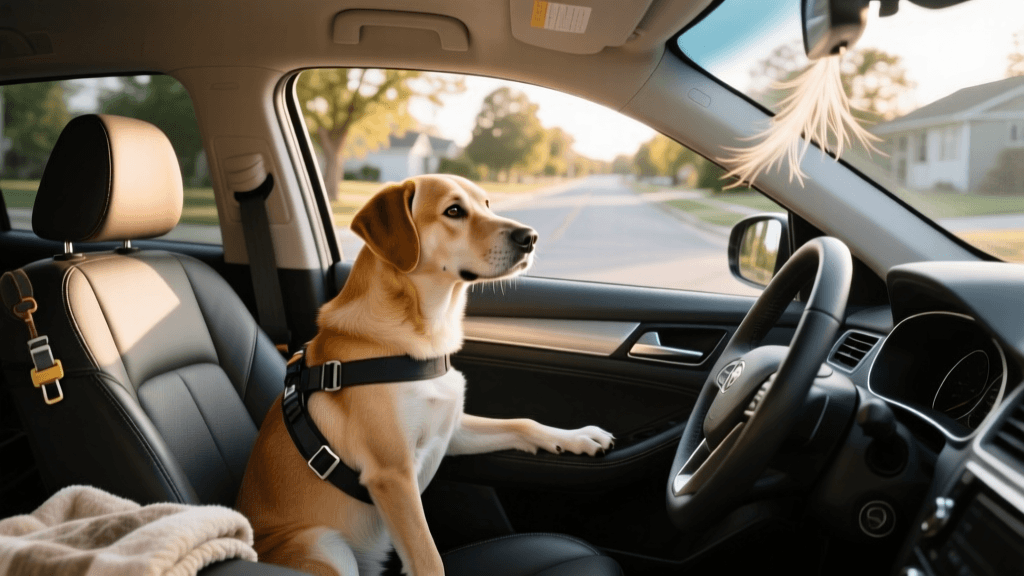
Before beginning any behavioral training, you must ensure your dog is physically secure. An unrestrained dog is not only a distraction to the driver but also a severe projectile hazard in the event of a sudden stop or collision. The Center for Pet Safety conducts rigorous crash-testing on pet travel products, and investing in certified gear is non-negotiable for your dog's physical well-being.
| Restraint Type | Best For | Safety Rating | Estimated Cost |
|---|---|---|---|
| Crash-Tested Crate | Large dogs, long road trips | Highest (when secured with tie-downs) | $300 - $800 |
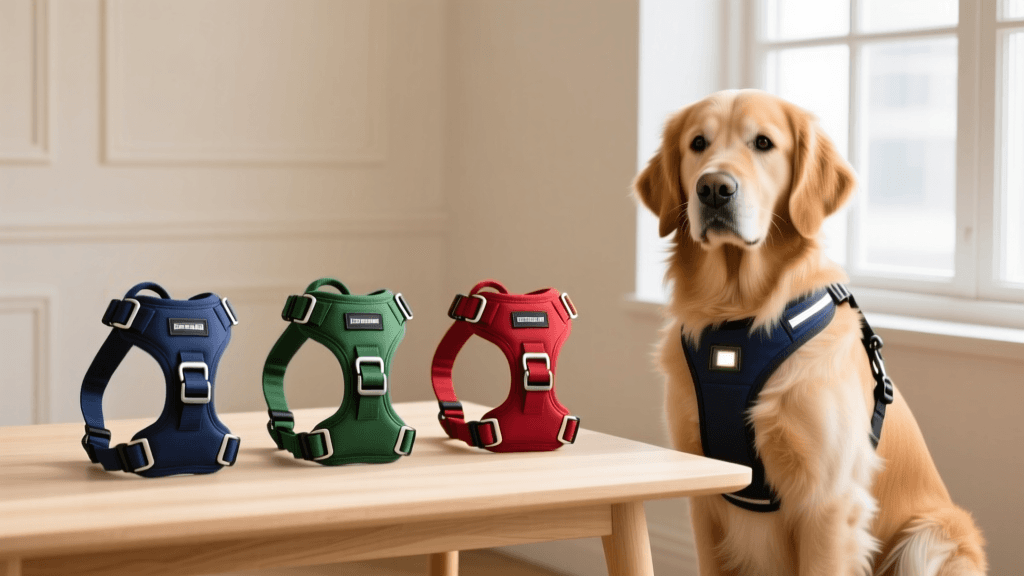
| Seatbelt Harness | Medium dogs, daily commutes | High (must be CPS certified) | $30 - $80 |
| Vehicle Barrier | SUVs, multi-dog households | Low (prevents distraction only) | $40 - $100 |
Never attach a car seatbelt tether directly to your dog's collar, as this can cause severe neck injuries or tracheal collapse during a sudden halt. Always use a properly fitted, crash-tested harness or a secured travel crate.
What You Will Need for Training
- High-Value Treats: Boiled chicken breast, freeze-dried liver, or Zuke's Mini Naturals. Dry kibble will not cut it for counter-conditioning.
- Calming Aids: Adaptil Transport Spray (a synthetic dog-appeasing pheromone) or a snug-fitting Thundershirt.
- Familiar Comforts: A favorite blanket or a Kong toy stuffed with frozen peanut butter.
- A Clicker or Marker Word: To precisely mark calm behavior.
Step 1: Creating a Positive Stationary Association (Days 1-5)
The biggest mistake owners make is forcing a terrified dog into a moving vehicle. Desensitization requires patience; rushing the process will only reinforce the fear response. Begin your training in your driveway with the engine completely turned off.
Open the car doors and sit on the ground nearby. Toss high-value treats toward the car. If your dog approaches the car to eat the treat, click your clicker or say 'Yes!' and toss another. Do not force them inside. Let them make the choice to investigate. Once your dog is comfortably eating treats near the open door, begin tossing treats directly onto the car seat or into the crate.
Watch for stress indicators. If your dog exhibits lip licking, yawning, 'whale eye' (showing the whites of their eyes), or excessive panting, you have pushed too far too fast. Take a step back, increase the distance from the car, and lower your criteria. End each session after 5 to 10 minutes on a positive note, before the dog shows any signs of fatigue or stress.
Step 2: Introducing the Engine and Vibration (Days 6-10)
Once your dog is happily climbing into the stationary car to retrieve treats or chew on a Kong, it is time to introduce the auditory and tactile sensations of the engine. Have your dog settle into their secured harness or crate. Sit in the driver's seat, but do not close their door or your door just yet.
Start the engine. Immediately begin feeding your dog a continuous stream of high-value treats. After 10 to 15 seconds, turn the engine off and stop feeding. This classical conditioning exercise teaches the dog that the sound and vibration of the engine predict wonderful things. Repeat this process 3 to 5 times per session. Gradually increase the duration the engine runs before you turn it off and stop the treat delivery.
During this phase, you can also introduce the Adaptil Transport Spray. Spray it on your dog's blanket or the car upholstery 15 minutes before the session. According to veterinary behaviorists, these synthetic pheromones mimic the natural chemicals produced by nursing mother dogs, promoting a baseline sense of security without sedating the animal.
Step 3: Taking Short, Destination-Based Trips (Weeks 3-4)
Now that your dog is comfortable with the idling engine, you are ready for movement. Keep your first few trips incredibly short—literally just driving to the end of the street and back. The goal is to expose the dog to the sensation of acceleration and braking without triggering motion sickness or panic.
Drive smoothly. Avoid sudden stops, sharp turns, and rapid acceleration, as these movements disrupt the fluid in the inner ear, which is the primary cause of canine motion sickness. Keep the windows rolled up slightly to prevent wind from blowing directly into your dog's eyes, which can cause irritation and anxiety, but leave them cracked enough for fresh air circulation.
If your dog begins to pant or whine during the drive, do not offer verbal reassurance in a high-pitched, sympathetic tone. This can inadvertently validate their fear. Instead, remain calm, keep your eyes on the road, and play soft, classical music or white noise to mask the intimidating sounds of passing traffic and loud engines. Studies have shown that classical music can significantly lower canine heart rates in stressful environments.
Crucially, you must change the destination narrative. If your dog only associates the car with the veterinary clinic, they will always dread it. Plan short trips to highly rewarding locations: the local park, a drive-thru for a 'puppuccino,' or a visit to a dog-friendly friend's house. The ASPCA strongly recommends making car travel a routine, positive part of your dog's life to prevent destination anxiety.
Step 4: Managing Canine Motion Sickness
Even with perfect behavioral training, some dogs suffer from physiological motion sickness. Puppies often outgrow this as their inner ear structures mature, but adult dogs may require management strategies. If your dog drools excessively, smacks their lips, or vomits during short trips, consult your veterinarian.
There are several highly effective, FDA-approved medications available for canine motion sickness, such as Maropitant (Cerenia). Unlike older antihistamines that cause heavy drowsiness, Cerenia targets the vomiting center in the brain without sedating the dog, allowing them to remain alert and continue their positive reinforcement training. Additionally, fasting your dog for 2 to 3 hours before a car ride can significantly reduce the likelihood of nausea and vomiting.
For dogs with severe, intractable anxiety that does not respond to standard counter-conditioning or motion sickness medication, your veterinarian may recommend a referral to a board-certified veterinary behaviorist. These specialists can prescribe advanced anti-anxiety protocols, including daily SSRIs or situational medications like Trazodone or Gabapentin, to lower the dog's baseline arousal level enough for learning to occur. Remember, medication is not a failure; it is a vital tool that bridges the gap between panic and the ability to process positive reinforcement.
Pro Tips for Long-Term Car Ride Success
- Temperature Control: Dogs cannot sweat through their skin like humans. Always run the air conditioning and ensure the back seat or cargo area is well-ventilated.
- Visual Barriers: For dogs that get overstimulated or reactive at passing cars and pedestrians, use a breathable window shade or a covered crate to limit visual triggers.
- Pre-Travel Exercise: A tired dog is a calm dog. Engage your dog in 20 minutes of vigorous play or a brisk walk before a long road trip to burn off excess nervous energy.
Patience is your most valuable training tool. A dog that has spent years fearing the car will not be cured in a single weekend. Celebrate the micro-victories, respect your dog's threshold, and prioritize their emotional well-being over your travel schedule.
By combining proper safety restraints, systematic desensitization, and proactive motion sickness management, you can help your anxious dog overcome their fear of the car. Over time, the vehicle will transform from a scary metal box into a gateway to adventure, making life with your dog infinitely more enjoyable for both of you.
beth-carrasco
All our authors care for dogs every day — read more of their work on the authors page.