Top Home Preparation Mistakes to Avoid Before Getting a Dog
Avoid common home preparation mistakes before getting a dog. Learn essential setup tips, safety measures, and costs for a smooth transition.
Why Home Preparation is Critical for New Dog Owners
Bringing a new dog into your home is an exhilarating milestone filled with visions of long hikes, cozy couch cuddles, and unconditional love. However, the transition from a shelter, foster home, or breeder to your living room can be highly stressful for both you and your new pet if your environment is not properly prepared. Many first-time dog owners focus entirely on picking out cute toys and premium kibble, completely overlooking the critical structural and safety preparations required to set their dog up for success. Failing to dog-proof your space, misjudging equipment sizes, and underestimating the psychological needs of a transitioning animal are common pitfalls that can lead to destroyed property, emergency vet visits, and severe anxiety. In this comprehensive guide, we will explore the most common home preparation mistakes to avoid before getting a dog, providing you with actionable advice, specific product recommendations, and expert-backed strategies to ensure a seamless and joyful homecoming.
Mistake 1: Skipping the Comprehensive 'Dog-Proofing' Audit
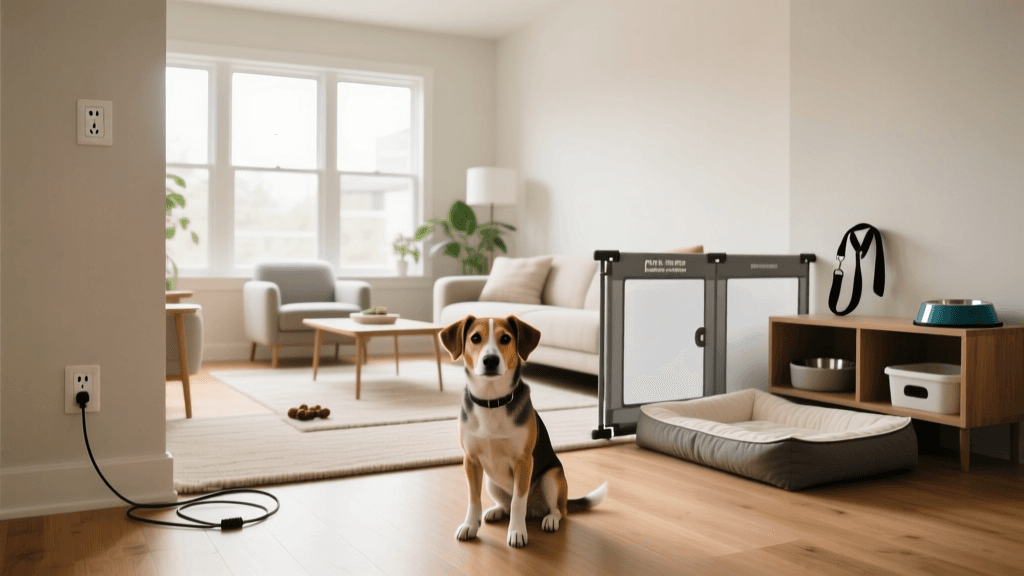
One of the most dangerous mistakes new owners make is assuming their home is inherently safe for a curious canine. Dogs explore the world with their noses and mouths, meaning everyday household items can quickly become life-threatening hazards. A major oversight is failing to check for hidden toxins. For instance, sugar-free gums and certain peanut butter brands contain xylitol, an artificial sweetener that is highly toxic to dogs and can cause rapid hypoglycemia and liver failure. Similarly, common houseplants like sago palms, lilies, and aloe vera can cause severe gastrointestinal distress or organ failure if ingested.
According to the ASPCA Animal Poison Control, thousands of pets are exposed to toxic substances in the home every year, with human medications, cleaning supplies, and toxic foods being the primary culprits. To avoid this, conduct a thorough audit before your dog arrives. Install baby gates, such as the Regalo Easy Step Walk-Thru Gate, to block off high-risk areas like laundry rooms and kitchens. Upgrade to a secure, lockable trash can like the Simplehuman 13-Gallon Semi-Round Kitchen Step Trash Can to prevent dumpster diving, which frequently leads to intestinal blockages from cooked bones or toxic food scraps like grapes and onions.
Mistake 2: Guessing Crate and Bed Dimensions
Many new owners purchase a crate or bed based on guesswork or assume that buying the largest size available will give their dog 'more room to roam.' In reality, a crate that is too large can severely hinder potty training, as dogs may use one corner as a bathroom and sleep in the other. Conversely, a crate that is too small will cause joint pain and severe anxiety. The American Kennel Club emphasizes that a crate should mimic a den, providing just enough space for the dog to stand up, turn around, and lie down comfortably.
To get the exact measurements, use a soft measuring tape. Measure your dog from the tip of their nose to the base of their tail (do not include the tail length), and add 2 to 4 inches. Then, measure from the floor to the top of their head (or the tip of their ears if they are erect), and add 2 inches. If you are adopting a puppy, research their expected adult weight and purchase a crate with an adjustable divider panel, such as the MidWest Homes for Pets iCrate, which allows you to expand the living space as they grow.
Standard Crate Sizing and Cost Guide
| Dog Weight Category | Ideal Crate Dimensions (L x W x H) | Common Breed Examples | Average Cost Estimate |
|---|---|---|---|
| Small (Under 20 lbs) | 18' x 12' x 14' | Chihuahua, Pomeranian, Toy Poodle | $25 - $40 |
| Medium (20 - 40 lbs) | 24' x 18' x 21' | Beagle, French Bulldog, Cocker Spaniel | $35 - $55 |
| Large (40 - 70 lbs) | 36' x 24' x 27' | Border Collie, Labrador Retriever, Boxer | $50 - $80 |
| X-Large (70 - 90 lbs) | 42' x 28' x 31' | Golden Retriever, German Shepherd, Rottweiler | $70 - $110 |
| XX-Large (90+ lbs) | 48' x 30' x 33' | Great Dane, Saint Bernard, Mastiff | $90 - $150 |
Mistake 3: Using the Wrong Cleaning Supplies for Accidents
Accidents are an inevitable part of bringing a new dog home, but how you clean them dictates whether the behavior will be repeated. A massive mistake is using standard household cleaners or products containing ammonia. Ammonia smells remarkably similar to urine to a dog's sensitive nose, which can actually encourage them to mark the exact same spot again. Furthermore, standard surface cleaners merely mask the odor for human noses but leave behind the uric acid crystals that dogs can easily detect.
Before your dog's first day, stock up on a high-quality enzymatic cleaner like Nature's Miracle Advanced Stain and Odor Eliminator. Enzymatic cleaners work by introducing specific bacteria that produce enzymes to break down the uric acid and organic matter at the molecular level, completely eradicating the scent marker. Keep a blacklight flashlight on hand to easily locate old, dried urine stains on carpets and baseboards that the previous homeowners or tenants may have left behind, ensuring your new dog doesn't inherit a hidden 'potty zone.'
Mistake 4: Underestimating Initial Veterinary and Setup Costs
Budgeting solely for the adoption fee or breeder cost is a financial mistake that leaves many new owners unprepared for the reality of pet ownership. The first month of dog ownership is disproportionately expensive. Beyond the basics of a leash and collar, you must account for initial veterinary visits, microchipping, core vaccinations, and preventative medications for heartworm, fleas, and ticks. According to the Humane Society of the United States, responsible pet ownership requires a dedicated financial plan, as unexpected medical emergencies can arise at any time.
To avoid financial strain, set up a dedicated pet emergency fund before bringing your dog home. Aim to have at least $500 to $1,000 set aside in a high-yield savings account specifically for veterinary emergencies. Additionally, research and enroll in a reputable pet insurance provider like Trupanion or Healthy Paws during your dog's first week. Pre-existing conditions are rarely covered by pet insurance, so enrolling your dog while they are young and healthy is a crucial proactive step that can save you thousands of dollars in the long run.
Mistake 5: Ignoring the 3-3-3 Rule of Decompression
Perhaps the most common psychological mistake new owners make is overwhelming the dog during the first week. It is incredibly tempting to invite friends and family over to meet the new addition, take them to busy pet stores, or subject them to hours of rigorous training. However, this sensory overload can trigger fear-based behaviors, resource guarding, and severe stress. Animal behaviorists widely advocate for the '3-3-3 Rule' of decompression to help dogs adjust to a new environment.
- The First 3 Days: Your dog may feel overwhelmed, scared, or unsure of their surroundings. They might refuse to eat, hide in their crate, or sleep excessively. During this time, limit interactions to immediate household members, keep the environment quiet, and stick to a predictable potty schedule.
- The First 3 Weeks: Your dog is starting to settle in and figure out your routine. Their true personality begins to emerge, and you may start seeing minor behavioral issues surface as they test boundaries. This is the ideal time to begin foundational obedience training and establish house rules.
- The First 3 Months: Your dog is finally starting to feel completely at home. They have built trust, formed a secure attachment to you, and understand the daily rhythm of your household.
Respecting this decompression period means setting up a quiet 'safe zone' in your home—such as a spare bedroom or a gated-off corner of the living room equipped with a calming bed, a white noise machine, and a long-lasting chew like a frozen Kong Classic filled with peanut butter. By avoiding the urge to overstimulate your new pet, you lay the groundwork for a confident, well-adjusted companion.
Conclusion
Preparing your home for a new dog requires much more than buying a bag of food and a squeaky toy. By avoiding these common mistakes—conducting a rigorous dog-proofing audit, purchasing correctly sized equipment, utilizing enzymatic cleaners, budgeting for veterinary care, and respecting the crucial decompression period—you set the stage for a harmonious relationship. Taking the time to prepare your physical space and your mindset will transform those chaotic first few weeks into a rewarding foundation for a lifetime of love and companionship with your new best friend.
beth-carrasco
All our authors care for dogs every day — read more of their work on the authors page.