Home Modifications and Daily Routines for Senior Dogs
Discover practical home modifications and daily routine adjustments to support your senior dog's mobility, comfort, and cognitive health as they age.

The Golden Years: Understanding Your Senior Dog's Changing Needs
Watching your dog transition from a boundless puppy to a distinguished senior is one of the most rewarding, yet bittersweet, experiences of pet ownership. According to the ASPCA, dogs are generally considered seniors when they reach the last 25% of their expected lifespan, which varies significantly by breed and size. While a Great Dane may enter its senior years at age five, a Chihuahua might not show signs of aging until age ten or older.
As your dog ages, their physical and cognitive needs shift dramatically. Arthritis, vision loss, hearing impairment, and Canine Cognitive Dysfunction (CCD) can make a once-familiar home environment feel daunting and confusing. Adapting your living space and daily routines is not just about luxury; it is a critical component of maintaining your senior dog's quality of life, safety, and dignity.
Essential Home Modifications for Mobility and Safety
Mobility issues, particularly osteoarthritis, affect a vast majority of aging dogs. Making strategic adjustments to your home can prevent painful falls and encourage your dog to remain active and confident.
Flooring and Traction Solutions
Hardwood, laminate, and tile floors are notoriously slippery for senior dogs with weakened hindquarters or splaying joints. A slip can lead to a torn cruciate ligament or a hip fracture. To combat this, create designated 'safe pathways' throughout your home.
- Interlocking Foam Tiles: Affordable and easy to clean, these provide excellent grip and cushioning for joints.
- Yoga Mats: Cutting up thick, non-slip yoga mats and placing them in high-traffic areas or under food and water bowls is a highly effective, low-cost hack.
- Non-Slip Rug Runners: Look for runners with a natural rubber backing. Avoid rugs with synthetic felt backs, which slide easily on hard surfaces.
Ramps, Stairs, and Furniture Access
Jumping on and off the bed or sofa places immense concussive force on aging joints. If your dog is small to medium-sized, invest in a set of pet stairs with a gentle incline and high-traction fabric covers. For larger dogs or vehicles, a ramp is essential.
When selecting a ramp, pay close attention to the angle. Veterinary rehabilitation specialists recommend that a ramp's incline should not exceed 18 to 22 degrees for dogs with severe arthritis. A longer ramp is always better than a shorter, steeper one. Ensure the ramp has side rails to prevent your dog from stepping off the edge and falling.
Lighting and Nighttime Navigation
Senior dogs often experience a decline in night vision and may become disoriented in the dark, a symptom frequently linked to canine cognitive decline. Install motion-sensor LED nightlights in hallways, near the dog's bed, and along the path to the backyard door. This simple, low-cost modification drastically reduces nighttime anxiety and accidents.
Adapting Daily Routines for Cognitive and Physical Health
Physical comfort is only half the equation. Mental health and routine stability are equally vital, especially for dogs showing signs of Canine Cognitive Dysfunction (CCD), a condition similar to Alzheimer's disease in humans. The American Kennel Club notes that CCD affects nearly a third of dogs by age 11, and over two-thirds by age 15.
Mental Enrichment and Routine Stability
Dogs with CCD thrive on predictability. Feed them, walk them, and put them to bed at the exact same times every day. To keep their brain active without causing physical exhaustion, swap high-impact fetch sessions for low-impact mental enrichment:
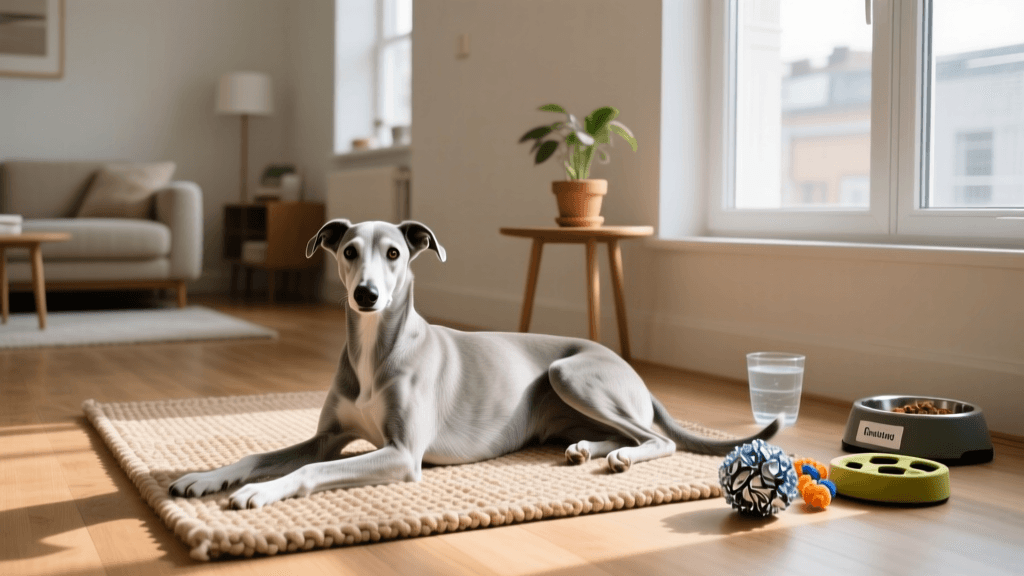
- Snuffle Mats: Hide kibble in a fabric snuffle mat to encourage natural foraging behaviors and stimulate the olfactory cortex.
- Lick Mats: Spread plain, xylitol-free peanut butter or plain yogurt on a textured silicone lick mat and freeze it. Licking releases endorphins, which soothe anxious senior dogs.
- Scent Work: Hide strong-smelling treats around a single room and encourage your dog to 'find it.' This builds confidence and tires them out mentally.
Adjusting Exercise and Potty Breaks
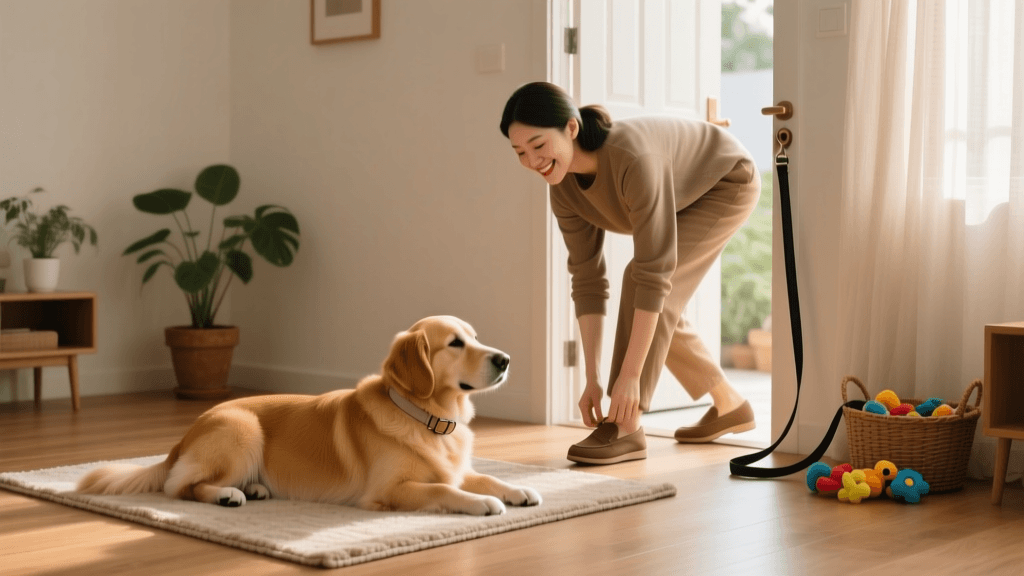
The 'weekend warrior' approach to exercise is dangerous for senior dogs. Instead of one long, exhausting hike, break their activity into three or four short, 10-to-15-minute leash walks spread throughout the day. This keeps joints lubricated without triggering delayed-onset muscle soreness.
Additionally, aging kidneys and weakened bladder sphincters mean your dog may need more frequent potty breaks. If you work long hours, consider hiring a midday dog walker or installing a doggy door that leads to a securely fenced, slip-free potty area.
Comparison Chart: Senior Dog Home Upgrades
Below is a structured guide to help you prioritize home modifications based on your dog's specific needs, estimated costs, and overall impact on their quality of life.
| Home Upgrade | Primary Purpose | Estimated Cost | Priority Level |
|---|---|---|---|
| Orthopedic Memory Foam Bed (4+ inches thick) | Joint support, pressure relief, warmth | $80 - $200 | Essential |
| Non-Slip Flooring / Yoga Mats | Prevent falls, improve confidence in walking | $30 - $100 | Essential |
| Pet Ramp (with side rails) | Safe access to beds, couches, and vehicles | $50 - $150 | High |
| Motion-Sensor LED Nightlights | Nighttime navigation, reduce CCD anxiety | $15 - $30 | High |
| Elevated Food and Water Bowls | Reduce neck strain (Note: consult vet for deep-chested breeds) | $20 - $60 | Moderate |
| Snuffle Mats & Puzzle Toys | Cognitive stimulation, slow feeding | $15 - $40 | Moderate |
Grooming and Hygiene Adjustments for Aging Dogs
Senior dogs often struggle with grooming tasks they once handled with ease. Arthritis can make it difficult for them to scratch behind their ears or groom their hindquarters, while cognitive decline might cause them to forget basic hygiene habits. Furthermore, reduced mobility means they are more prone to accidents and matting.
- Waterless Shampoos and Wipes: Bathing a large, arthritic dog in a tub can be stressful and dangerous. Keep a supply of veterinary-approved waterless foam shampoos and hypoallergenic pet wipes near their bed for quick, stress-free spot cleaning.
- Raised Grooming Surfaces: If you brush your dog at home, avoid making them stand on the floor where they might slip. Use a raised, non-slip grooming table or a sturdy counter with a yoga mat placed on top. This saves your back and provides them with a stable, secure surface.
- Nail Trims and Paw Care: Overgrown nails alter a dog's posture and exacerbate joint pain. If your senior dog's nails are not wearing down naturally from walks, schedule monthly trims. Apply a paw balm containing beeswax and shea butter to keep their paw pads from cracking, which is common in older dogs with altered gaits.
Nutrition, Comfort, and Veterinary Partnerships
As your dog's metabolism slows, their caloric needs decrease, but their need for targeted nutrients increases. Transitioning to a senior-specific diet that includes omega-3 fatty acids (EPA and DHA) can significantly reduce joint inflammation. Many veterinarians also recommend adding a glucosamine and chondroitin supplement, or green-lipped mussel powder, to support cartilage health.
'Aging is not a disease, but it does require a proactive shift in how we manage our pets' daily environments and healthcare. Small changes in the home can yield massive improvements in a senior dog's comfort.' — General Veterinary Consensus on Geriatric Care
It is crucial to maintain bi-annual veterinary checkups for senior dogs. Bloodwork can catch underlying issues like hypothyroidism, kidney disease, or liver dysfunction long before clinical symptoms appear. According to the American Kennel Club's guidelines on canine arthritis, early intervention with pain management therapies, such as NSAIDs, Adequan injections, or cold laser therapy, can keep your dog comfortable and mobile for years longer than if left untreated.
Conclusion: Embracing the Slower Pace
Sharing your life with a senior dog requires patience, empathy, and a willingness to adapt. By modifying your home to ensure safe traction, providing cognitive enrichment, and adjusting your daily routines to match their physical capabilities, you are giving your aging companion the ultimate gift: a safe, comfortable, and dignified environment in which to spend their golden years. The extra effort you put into their care today is a beautiful reflection of the unconditional love they have given you throughout their entire life.
priya-sutaria
All our authors care for dogs every day — read more of their work on the authors page.