Life With a Greyhound: Daily Routines and Apartment Care
Discover the reality of life with a retired racing Greyhound. Learn daily routines, apartment care tips, and enrichment ideas for this gentle breed.
The '45 MPH Couch Potato' Myth vs. Reality
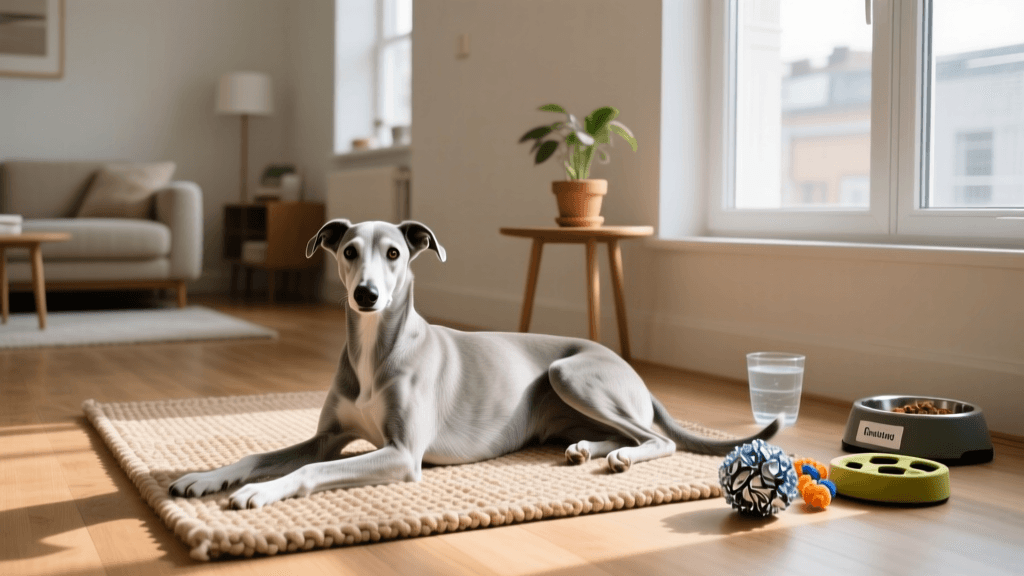
When most people think of Greyhounds, they picture the electrifying sight of these sleek dogs chasing a lure at breakneck speeds. Because of their racing heritage, a common misconception is that Greyhounds require massive, fenced-in acres to run and are unsuited for apartment living. In reality, the Greyhound is famously known in the rescue community as the '45 MPH couch potato.' According to the American Kennel Club, while they are the fastest dog breed in the world, they are surprisingly low-energy indoors and adapt beautifully to quiet, relaxed living spaces.
Retired racing Greyhounds are accustomed to a highly structured kennel life. They spend the vast majority of their day resting in their crates, conserving energy for their short, intense bursts of exercise. When you bring a retired racer into your apartment or condo, you are not adopting a marathon runner; you are adopting a sprinter who loves to sleep. However, transitioning from a kennel to a home environment requires a specific daily routine, specialized gear, and an understanding of their unique sighthound traits.
Setting Up Your Apartment for a Sighthound
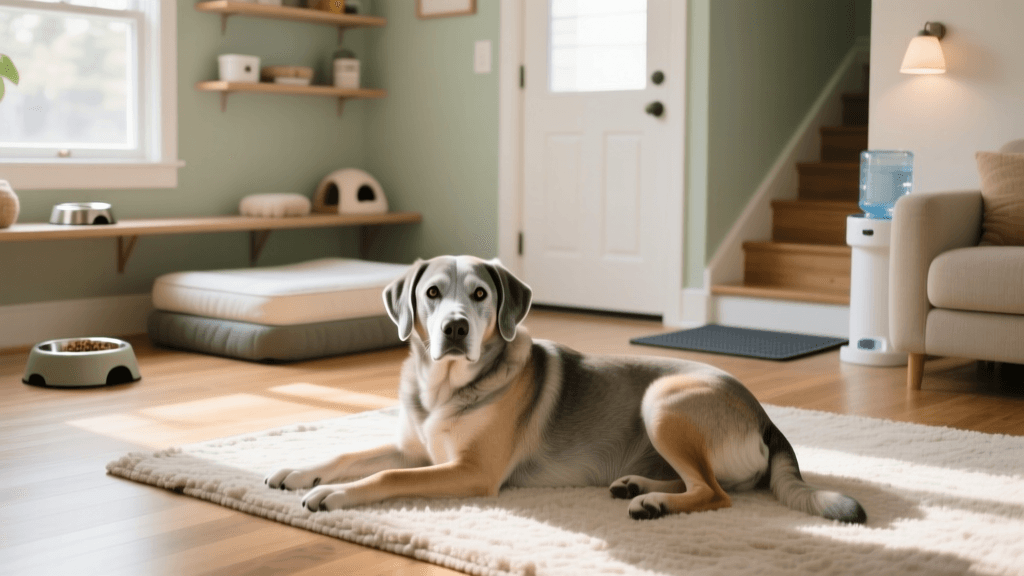
Greyhounds have a unique physical build: deep chests, long snouts, and very little body fat. This lack of subcutaneous fat means they have virtually no natural insulation against the cold, and their bony prominences make hard floors incredibly uncomfortable. Preparing your apartment for a Greyhound involves a few specific investments.
Bedding and Temperature Control
A standard dog bed will not suffice for an adult Greyhound. They need thick, orthopedic bedding to prevent pressure sores on their elbows and hips. Many Greyhound owners swear by raised, chew-proof beds like the Kuranda dog bed, paired with a thick fleece blanket. Furthermore, if your apartment's thermostat drops below 68 degrees Fahrenheit in the winter, your Greyhound will need a dog sweater or fleece coat. Brands like Ruffwear or specialized sighthound coats from Greyhound rescue boutiques are essential for indoor and outdoor warmth.
Baby Gates and Slip-Proof Flooring
While Greyhounds can jump, many retired racers are entirely unfamiliar with stairs and can be remarkably clumsy on smooth surfaces like hardwood or laminate. Area rugs with non-slip backing are crucial to prevent splaying and hip injuries. Additionally, use baby gates to block off steep staircases or rooms with fragile items until your dog has learned how to navigate their new space with confidence.
Daily Routine and Exercise Needs
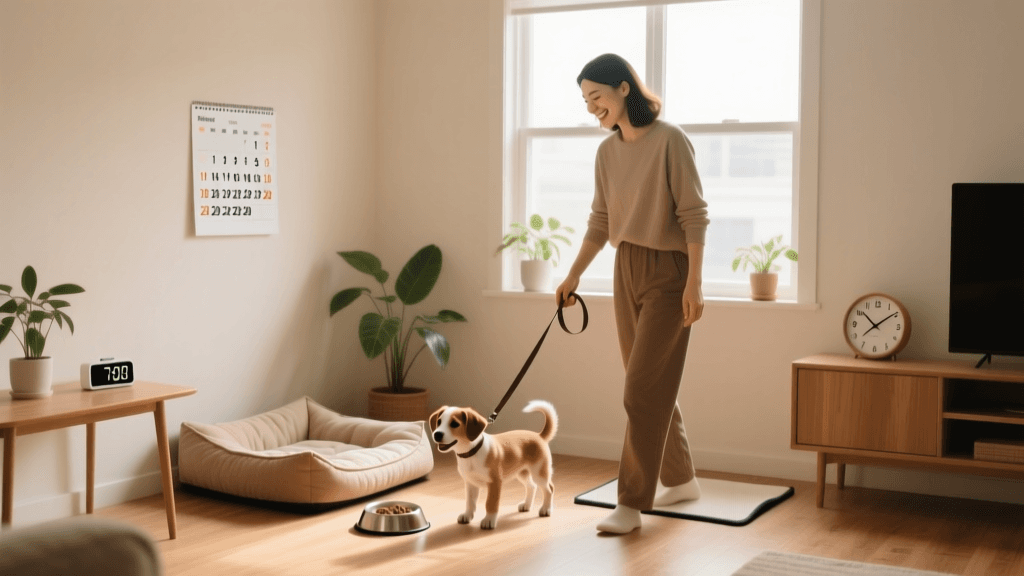
Establishing a predictable routine is vital for a retired racer's mental health. They thrive on knowing what to expect. Below is a structured daily schedule tailored for an adult Greyhound living in an urban or apartment environment.
| Time of Day | Activity | Duration | Notes & Gear |
|---|---|---|---|
| 7:00 AM | Morning Potty & Sniff | 15-20 mins | Use a martingale collar. Allow time for mental enrichment through sniffing. |
| 7:30 AM | Breakfast & Rest | 45 mins | Elevated bowl recommended. Enforce strict rest to prevent bloat. |
| 8:15 AM | Nap Time | 4-6 hours | Greyhounds sleep up to 18 hours a day. Provide a cozy, draft-free bed. |
| 2:30 PM | Afternoon Potty Break | 10-15 mins | Quick leash walk around the block for bathroom needs. |
| 5:30 PM | Evening Walk & Enrichment | 30-45 mins | Longer leash walk. Practice recall in a securely fenced area if available. |
| 6:30 PM | Dinner & Decompression | 45 mins | Feed dinner, followed by gentle indoor cuddling or puzzle toys. |
| 9:30 PM | Final Potty & Bedtime | 10 mins | Final bathroom break. Settle in for the night with a warm blanket. |
Managing Prey Drive in Urban Environments
Life with a Greyhound means living with a sighthound, which means their prey drive is hardwired into their DNA. A squirrel darting across a busy city street or a small dog running in a park can trigger an instinctual chase response. According to experts at Greyhound Pets, Inc., recall training in unenclosed areas is highly unreliable for this breed. Therefore, urban Greyhound owners must adhere to strict safety protocols.
- The Martingale Collar: Standard buckle collars are dangerous for Greyhounds because their necks are often wider than their heads, allowing them to slip out and bolt. A properly fitted martingale collar tightens just enough to prevent escape without choking the dog.
- Muzzle Training: Muzzle training is not just for aggressive dogs; it is a vital safety tool for Greyhounds visiting off-leash dog parks or interacting with small animals. A basket muzzle allows the dog to pant and drink while preventing any accidental nips triggered by prey drive.
- Double-Leashing: When navigating busy urban environments, consider using a harness in addition to the martingale collar, attaching your leash to both for maximum security.
Mental Enrichment and the Power of Sniffaris
While physical exercise for a Greyhound is relatively straightforward, mental enrichment is equally important, especially in an apartment setting where space is limited. According to canine behaviorists, a dog's sense of smell is their primary way of interpreting the world. Taking your Greyhound on a 'sniffari'—a slow, unstructured walk where the dog is allowed to stop and sniff every tree, fire hydrant, and bush for as long as they please—can be more mentally tiring than a two-mile power walk.
Indoors, you can replicate this enrichment using snuffle mats, lick mats, and puzzle feeders. Because Greyhounds have long snouts, deep puzzle toys or snuffle mats with longer fleece strips work best to keep them engaged. Spending just 15 minutes a day on scent-work games inside your apartment will help stave off boredom and prevent destructive behaviors, ensuring your hound remains a happy, relaxed companion.
Socialization and Multi-Pet Households
Introducing a retired Greyhound into a multi-pet household requires patience and careful management. Many retired racers have never lived with other breeds of dogs, let alone cats or small mammals. While some Greyhounds are entirely cat-safe, others possess a high prey drive that makes living with felines or small dogs impossible. Reputable adoption agencies conduct rigorous cat testing and small dog testing before placement, but it is always wise to supervise interactions closely for the first several months.
When introducing your Greyhound to resident pets, keep the hound on a leash and wearing a basket muzzle for the first few meetings. Allow the resident pet to approach at their own pace, and reward your Greyhound with high-value treats like boiled chicken or freeze-dried liver for calm, disengaged behavior. Never leave a Greyhound unsupervised with a small pet until you are absolutely certain of their temperament, as instinctual triggers can happen in a split second.
Health Watchouts: Bloat and Dental Care
Owning a deep-chested breed comes with specific veterinary responsibilities. The most critical emergency to be aware of is Gastric Dilatation-Volvulus (GDV), commonly known as bloat. The American Veterinary Medical Association notes that GDV occurs when the stomach fills with gas and twists on itself, cutting off blood supply. It is a fatal condition if not treated surgically within hours.
To minimize the risk of bloat, never exercise your Greyhound immediately before or after meals. Enforce a strict 'couch rest' period of at least 45 minutes to an hour after they eat their breakfast or dinner.
Additionally, Greyhounds are notorious for poor dental health. Their narrow jaws often lead to severe crowding of the teeth, resulting in rapid tartar buildup and periodontal disease. Incorporate daily brushing with an enzymatic dog toothpaste, provide dental chews approved by the Veterinary Oral Health Council (VOHC), and schedule professional veterinary cleanings under anesthesia at least once every two years.
Embracing the Gentle Giant
Sharing your life and your apartment with a retired racing Greyhound is an immensely rewarding experience. They are quiet, gentle, and deeply affectionate dogs that form profound bonds with their owners. By understanding their unique physical needs, respecting their sighthound instincts, and providing a structured, low-stress daily routine, you can give a former athlete the soft, loving retirement they truly deserve. Whether they are tucked under a mountain of fleece blankets or gazing out the apartment window at the city below, your Greyhound will quickly prove that the best place to be is right by your side.
aaron-whyte
All our authors care for dogs every day — read more of their work on the authors page.