The Sniffari Trend: Why Decompression Walks Are Going Viral
Discover the viral Sniffari trend. Learn how decompression walks reduce dog anxiety, improve behavior, and transform your daily routine with expert tips.
The Viral Rise of the Sniffari
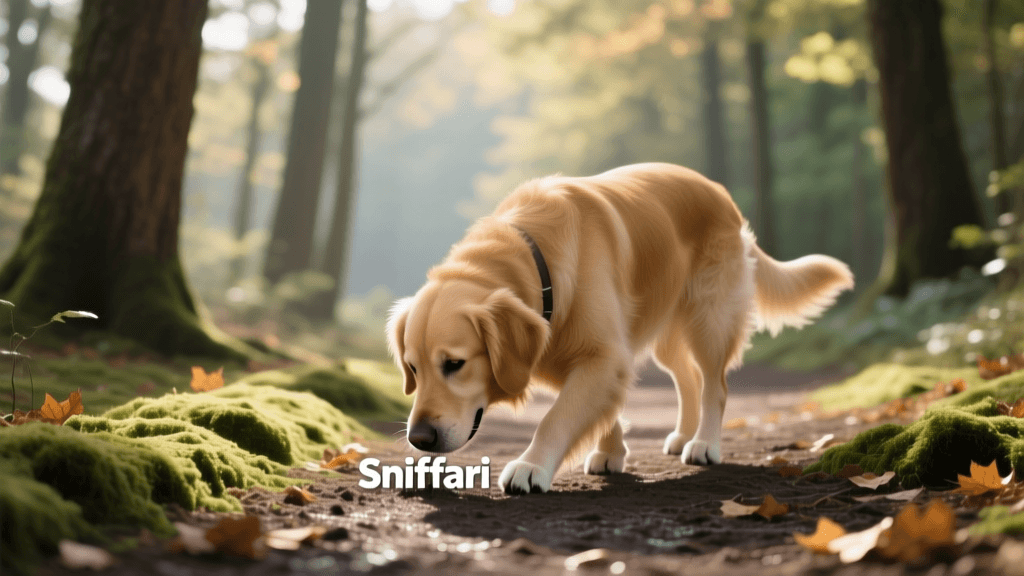
If you have spent any time on canine social media recently, you have likely encountered the hashtag #Sniffari. This viral trend is fundamentally changing how modern dog owners approach daily exercise, moving away from strict, heel-focused marches and embracing the 'decompression walk.' But what exactly is a Sniffari, and why are veterinary behaviorists and professional trainers universally praising this shift in dog-walking culture?
A Sniffari is a dog-led walk where the primary goal is olfactory enrichment rather than physical exertion or obedience. Instead of pulling your dog past every interesting tree stump and fire hydrant, you allow them to stop, sniff, and process their environment at their own pace. For dogs living in high-stress environments, bustling cities, or multi-pet households, this simple change in routine can be revolutionary for their mental health and behavioral stability.
The Science Behind the Sniff
To understand why the Sniffari is so beneficial, we must look at canine biology. A dog's sense of smell is their primary way of interacting with the world. While humans have roughly six million olfactory receptors in our noses, dogs possess up to 300 million, depending on the breed. Furthermore, the area of a dog's brain devoted to analyzing odors is proportionally 40 times greater than ours.
When a dog sniffs, they are not just smelling a scent; they are reading a complex chemical biography of their neighborhood. They can determine the age, sex, health status, and even the emotional state of other animals that have passed by. According to the American Kennel Club, preventing a dog from sniffing on a walk is akin to blindfolding a human and dragging them through an art museum. It deprives them of vital cognitive stimulation and can lead to frustration, leash reactivity, and anxiety.
Mental Fatigue vs. Physical Fatigue
One of the most common misconceptions in dog ownership is that a physically exhausted dog is a well-behaved dog. While physical exercise is important, it does not fulfill a dog's need for mental enrichment. In fact, constantly exercising a high-energy dog without providing mental stimulation can simply create an elite canine athlete that requires more and more physical exertion to settle down.
Sniffing, however, lowers a dog's heart rate and releases dopamine, the neurotransmitter associated with pleasure and reward. The intense cognitive processing required to decode scent trails tires out a dog's brain much faster than physical exercise tires their muscles. Many certified behaviorists note that just 20 minutes of dedicated, uninterrupted sniffing can provide the same level of fatigue as an hour of rigorous running or fetch. This makes the Sniffari an invaluable tool for owners of senior dogs, injured dogs recovering from surgery, or high-energy working breeds living in apartments.
Traditional Walk vs. Decompression Sniffari
Understanding the structural differences between a traditional neighborhood walk and a decompression Sniffari can help you integrate both into your weekly routine. Below is a comparison of the two approaches:
| Feature | Traditional Heel Walk | Decompression Sniffari |
|---|---|---|
| Primary Goal | Physical exercise, leash obedience | Mental enrichment, stress relief |
| Leash Type | Short leash (4 to 6 feet) | Long line (15 to 30 feet) |
| Pace and Direction | Steady, human-led | Variable, dog-led |
| Mental Fatigue Level | Low to Moderate | High |
| Ideal Environment | Sidewalks, busy urban areas | Quiet parks, fields, nature trails |
| Best Used For | Potty breaks, city living, training | Anxious, reactive, or high-energy dogs |
Essential Gear for a Successful Sniffari
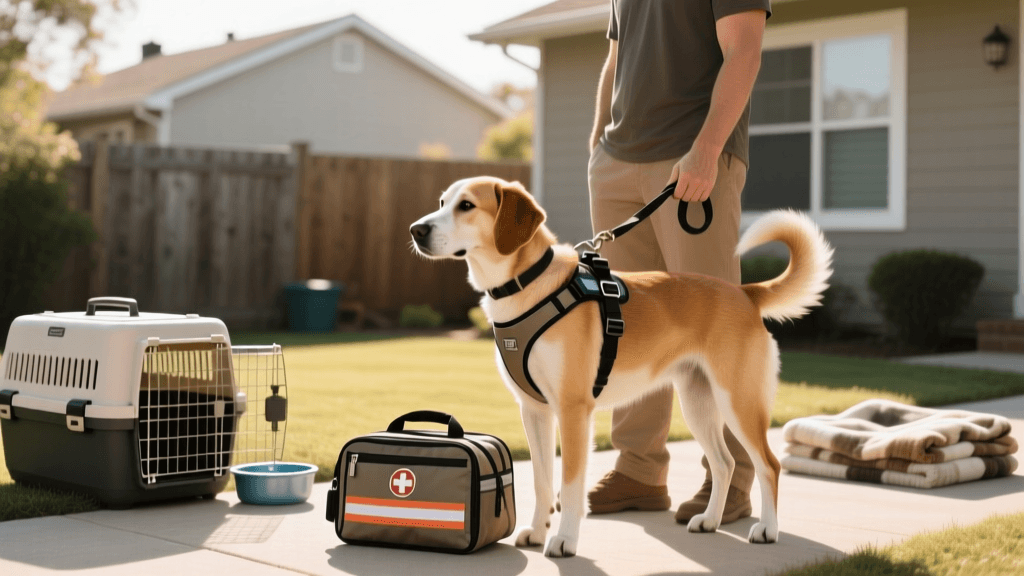
You cannot execute a proper Sniffari with standard neighborhood walking gear. To give your dog the freedom to explore safely, you need to invest in specific equipment designed for decompression.
1. The Y-Front Harness
A collar or a restrictive front-clip harness can impede a dog's natural shoulder movement and put dangerous pressure on their trachea when they lean forward to investigate a scent. Opt for a Y-shaped harness that sits below the sternum and allows for full range of motion. Brands like Ruffwear (specifically the Front Range or Web Master models) and Perfect Fit offer excellent, escape-proof options that do not chafe the armpits during prolonged exploration sessions.
2. The Long Line
The cornerstone of the Sniffari is the long line. This is a fixed-length leash, typically ranging from 15 to 30 feet, that gives your dog a wide radius to roam while keeping them securely tethered to you. Avoid cotton or nylon leashes, which become heavy when wet and can cause severe rope burns if they slide quickly through your hands. Instead, invest in a Biothane long line. Biothane is a waterproof, durable, and easy-to-clean material that glides smoothly through your grip. For dogs under 30 pounds, a 3/8-inch width is ideal; for larger dogs, a 1/2-inch or 5/8-inch width provides the necessary tensile strength.
3. High-Value Foraging Pouch
Sniffaris are an excellent opportunity to incorporate scatter feeding. Bring a dedicated treat pouch filled with high-value, aromatic treats like freeze-dried liver or boiled chicken. Periodically tossing a handful of treats into tall grass encourages your dog to use their nose to forage, deepening the enrichment experience.
How to Execute the Perfect Sniffari
Transitioning to a dog-led walk can feel unnatural for owners accustomed to controlling the pace. Here is a step-by-step guide to mastering the decompression walk.
Step 1: Location Scouting. The environment is critical. A busy sidewalk with heavy foot traffic and passing cars is not suitable for a Sniffari. Look for quiet, enclosed spaces, empty sports fields, or low-traffic nature trails. The Fear Free Pets initiative emphasizes that a dog must feel entirely safe and free from environmental triggers to truly decompress and engage their parasympathetic nervous system.
Step 2: The Release Cue. Begin your walk with a clear verbal cue that signals the change in expectations. A phrase like 'go sniff' or 'free time' tells your dog that they are no longer required to heel. Unclip the short leash, attach the 15-foot Biothane line to the back clip of their harness, and let them take the lead.
Step 3: Follow and Manage. Follow your dog at a relaxed pace. Your job is no longer to dictate the route, but to manage the environment. If another dog or a bicyclist approaches, use your long line to gently guide your dog away or create a buffer zone by stepping on the leash to limit their radius. Allow the line to drag on the ground if you are in a safe, enclosed area, but keep it gathered in loose loops in your hands in open spaces.
Step 4: Embrace the Boredom. Your dog might spend five full minutes sniffing a single patch of weeds. This is the point of the exercise. Resist the urge to check your phone, sigh, or gently tug the leash to hurry them along. Practice mindfulness and use this time to observe your dog's body language and breathing patterns.
Common Mistakes to Avoid
As the Sniffari trend grows, so do the misconceptions about how to perform it safely. Avoid these common pitfalls to ensure your dog gets the most out of their sensory adventure.
Never Use a Retractable Leash
Many owners mistakenly believe that a retractable leash (such as a Flexi) is a suitable substitute for a long line. This is a dangerous error. Retractable leashes maintain constant, light tension on the dog's harness, which subconsciously encourages pulling. Furthermore, the thin nylon cords can cause severe friction burns, and the bulky plastic handles can startle a dog if dropped. The Humane Society of the United States strongly advises against retractable leashes due to the lack of control and high risk of injury to both the dog and the handler.
Do Not Correct the Sniffing
If your dog stops to investigate something you find unappealing, such as animal droppings or decaying matter, do not yank them away unless it poses a direct health hazard. Instead, use your scatter-feeding technique to redirect their nose to the grass nearby. Constant corrections defeat the purpose of decompression and will only elevate your dog's cortisol levels.
Integrating the Sniffari into Your Routine
You do not need to abandon traditional walks entirely. The most balanced approach is to mix structured heel walks for bathroom breaks and urban navigation with dedicated Sniffaris three to four times a week. For the average working dog owner, a 15-minute morning potty walk combined with a 30-minute evening Sniffari at a local park provides the perfect equilibrium of physical maintenance and psychological fulfillment.
By embracing this viral trend, you are doing more than just giving your dog a walk; you are honoring their biological imperative to explore the world through their nose. The result is a calmer, happier, and more deeply bonded companion who looks forward to every adventure you share.
hannah-wickes
All our authors care for dogs every day — read more of their work on the authors page.