Holistic Leash Reactivity Training: TTouch & Scent Work 2026
Discover holistic leash reactivity training for 2026 using Tellington TTouch and scent work to calm your dog's nervous system naturally and effectively.
Understanding Leash Reactivity Through a Holistic Lens
Leash reactivity is one of the most common and frustrating challenges dog owners face. Characterized by barking, lunging, and growling when a dog is on a leash and spots a trigger—such as another dog, a stranger, or a moving vehicle—reactivity is often misunderstood as simple aggression. However, as veterinary behaviorists and certified trainers increasingly emphasize in 2026, reactivity is primarily a symptom of a dysregulated nervous system. Dogs react because they feel trapped, overwhelmed, or fearful, triggering a profound fight-or-flight response.
Traditional obedience training often focuses on suppressing the outward behavior using corrections or strict commands. While this might yield temporary compliance, it rarely addresses the underlying emotional turmoil. The holistic approach to dog training, which has seen massive adoption throughout 2026, shifts the focus from behavioral suppression to nervous system regulation. By combining somatic techniques like the Tellington TTouch method with natural cognitive enrichment like scent work, we can help our dogs process their environment calmly and confidently.
According to the American Kennel Club, addressing the emotional root of reactivity is far more effective long-term than punitive measures. When we change how a dog feels, the behavior naturally follows.
The 2026 Paradigm Shift: Mind-Body Connection in Dog Training
The year 2026 has marked a definitive turning point in canine behavioral science. Pet parents and professionals alike are moving away from aversive tools and embracing force-free, holistic methodologies. This shift is rooted in a deeper understanding of canine neurobiology. When a dog is triggered, their amygdala hijacks the brain, flooding their body with cortisol and adrenaline. In this state, the learning centers of the brain essentially shut down. Asking a highly reactive dog to perform a 'sit' or 'look at me' command while they are in a state of panic is biologically unrealistic.
Holistic training recognizes that we must first lower the dog's physiological arousal before we can expect cognitive engagement. This is where somatic bodywork and olfactory enrichment become indispensable tools in your training arsenal.
Tellington TTouch: Calming the Nervous System Through Touch
Developed by Linda Tellington-Jones, the Tellington TTouch method is a holistic approach to animal training and healing that uses specific, mindful touches and movements to activate the parasympathetic nervous system. Unlike traditional petting or massage, which can sometimes overstimulate an anxious dog, TTouch utilizes unique circular movements and lifts of the skin and tissue to promote cellular intelligence and relaxation.
Key TTouch Techniques for Reactive Dogs
- Clouded Leopard: Using the pads of your fingers, make slow, one-and-a-quarter clockwise circles on the dog's body. This gentle pressure helps release tension in the fascia and signals the brain to relax.
- Ear Slides: The ears are rich in nerve endings connected to the autonomic nervous system. Gently stroking from the base of the ear to the tip can rapidly lower a dog's heart rate and induce a state of calm.
- The Body Wrap: Using a specialized stretchy bandage or a Thundershirt, applying gentle, continuous pressure around the dog's torso provides proprioceptive input. This is akin to swaddling an infant and is incredibly effective for dogs who feel physically insecure on walks.
Practicing these techniques at home when your dog is completely relaxed builds a positive association. By the time you step outside, your touch becomes a conditioned cue for safety. The official Tellington TTouch Training organization notes that just a few minutes of mindful bodywork before a walk can significantly raise a dog's threshold for reactivity.
Scent Work: Engaging the Canine Brain Naturally
While humans navigate the world primarily through sight, dogs experience reality through their noses. A dog's olfactory bulb is proportionally 40 times larger than a human's, and the act of sniffing is intrinsically linked to the limbic system, which governs emotion and memory. In 2026, 'Sniffari' walks and structured scent work are recognized as foundational practices for holistic behavioral conditioning.
When a dog sniffs, their heart rate actually decreases, and their brain releases dopamine. For a reactive dog, sniffing is a natural self-soothing mechanism. Forced heel-walking, where a dog is required to ignore the environment and stare at the handler, denies them this crucial coping strategy.
Implementing Holistic Scent Games
To use scent work for reactivity training, you do not need formal competition equipment. You can utilize natural, holistic elements:
- Herbal Scatter Feeds: Instead of using high-value, potentially artificial treats, scatter your dog's meals or single-ingredient freeze-dried treats (like wild salmon or beef liver) into a patch of grass or among safe, dog-friendly herbs like chamomile or lavender in your garden.
- Scent Discrimination Boxes: Place cardboard boxes in your living room and hide a calming herbal sachet or a natural chew inside one. Encourage your dog to use their nose to find it. This builds confidence and mental fatigue, which translates to a calmer demeanor outdoors.
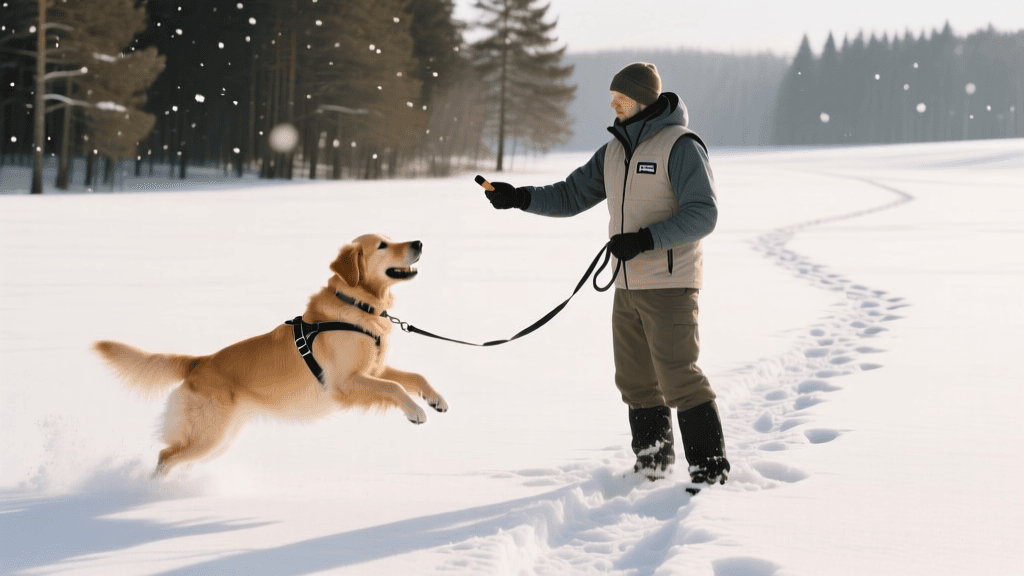
- Decompression Sniffing: Allow your dog to sniff on a long line (15 to 30 feet) in a low-traffic area. Let them dictate the pace and direction. This autonomy builds trust and reduces the feeling of being trapped that often triggers leash reactivity.
Holistic Gear and Supplements for Reactivity in 2026
Equipping yourself with the right tools is essential for a successful holistic training plan. The market in 2026 offers excellent, force-free options designed to support a dog's physical comfort and mental well-being. Below is a comparison of top holistic tools for managing leash reactivity.
| Holistic Tool | Primary Benefit | 2026 Estimated Cost | Best For |
|---|---|---|---|
| Y-Front Balance Harness | Prevents tracheal pressure and allows free shoulder movement | $45 - $75 | Pullers and dogs sensitive to neck pressure |
| TTouch Body Wrap | Provides calming proprioceptive feedback to the nervous system | $15 - $25 | High-anxiety dogs needing physical grounding |
| Organic Wool Snuffle Mat | Promotes natural foraging and dopamine release | $30 - $55 | Pre-walk decompression and mental enrichment |
| L-Theanine & Ashwagandha Chews | Supports neurotransmitter balance and lowers cortisol | $25 - $45 | Chronic stress cases (consult your vet first) |
| 15ft Biothane Long Line | Grants autonomy for sniffing while maintaining safety | $20 - $35 | Decompression walks in open spaces |
When selecting supplements, always consult with a holistic veterinarian. Adaptogens like Ashwagandha and amino acids like L-Theanine have gained immense popularity in 2026 for their ability to smooth out the nervous system's peaks and valleys without sedating the dog.
Real-World Application: A Sample Holistic Training Session
How do you combine TTouch, scent work, and holistic gear into a cohesive routine? Here is a step-by-step guide to preparing for and executing a successful walk with a reactive dog.
Phase 1: Pre-Walk Decompression (15 Minutes)
Before you even pick up the leash, help your dog transition from a resting state to a focused, calm state. Lay out an organic wool snuffle mat and scatter a portion of their daily food allowance. As they forage, practice gentle Ear Slides and Clouded Leopard TTouches. This lowers their baseline heart rate and engages their parasympathetic nervous system before they even see the front door.
Phase 2: The Mindful Exit
Reactivity often begins at the threshold. Ask your dog to sit or simply wait calmly while you attach the Y-front balance harness and the biothane long line. If they become overly excited, pause. Do not open the door until you see a physical sign of relaxation, such as a deep exhale or a soft blink. The door only opens when the nervous system is regulated.
Phase 3: The Sniffari Walk
Head to a low-traffic area. Give your dog the full 15 feet of the long line and allow them to sniff extensively. If a trigger (like a distant dog) appears, do not yank the leash or shout a command. Instead, use a gentle TTouch body wrap technique or a soothing voice to acknowledge their awareness, and then toss a few single-ingredient treats into the grass to encourage sniffing. Sniffing will naturally redirect their brain away from the visual trigger and back to the calming olfactory process.
Phase 4: Post-Walk Integration
When you return home, remove the harness and offer a natural, long-lasting chew, such as a yak milk chew or a deer antler. Chewing is another holistic, self-soothing behavior that releases endorphins and helps the dog process the stress of the outside world, ensuring they return to a baseline of calm.
Final Thoughts on Holistic Reactivity Training
Overcoming leash reactivity is not an overnight process, nor is it about achieving perfect, robotic obedience. The holistic approach championed by experts in 2026 is about building a resilient, confident dog who trusts their handler and possesses the natural coping skills to navigate a complex world. By integrating the nervous-system-calming power of Tellington TTouch with the cognitive enrichment of scent work, you are not just training your dog; you are healing their relationship with their environment.
Embrace the journey, celebrate the small victories—like a single deep breath in the presence of a trigger—and remember that true behavioral modification starts from within. For more insights on force-free methodologies and holistic canine care, organizations like Fear Free Happy Homes offer excellent ongoing resources for dedicated pet parents committed to the emotional well-being of their companions.
marcus-aldridge
All our authors care for dogs every day — read more of their work on the authors page.