Border Collie vs Beagle: Training and Selection Guide
Compare Border Collie and Beagle training needs. Learn selection tips, obedience strategies, and costs to choose the right breed for your lifestyle.
Introduction: Matching Canine Cognition to Your Lifestyle
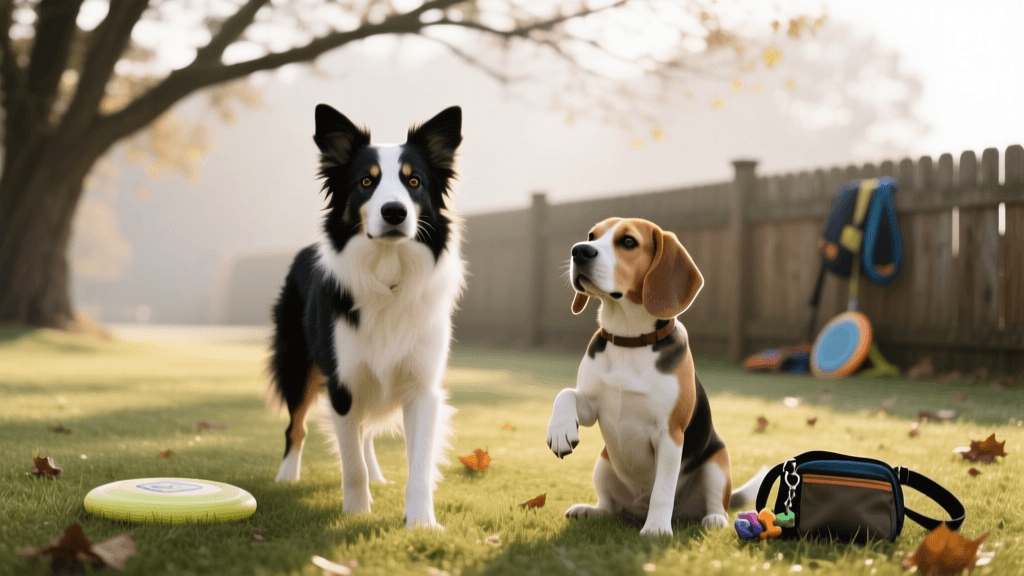
Choosing the right dog breed is a monumental decision that extends far beyond aesthetics or size. When prospective owners compare the Border Collie and the Beagle, they are essentially choosing between two fundamentally different canine minds: the hyper-focused, problem-solving herding dog and the independent, scent-driven hound. According to the American Kennel Club (AKC), the Border Collie is widely regarded as the most intelligent of all domestic dog breeds, requiring intense mental and physical engagement. Conversely, the AKC Beagle Breed Standard highlights a merry, curious hound whose nose dictates its every move. Understanding these intrinsic breed traits is the first step in successful behavioral conditioning and obedience training. This comprehensive guide breaks down the training methodologies, time investments, and financial costs associated with both breeds to help you make an informed selection.
Breed Profiles and Selection Criteria
Before diving into specific training protocols, it is crucial to understand the baseline instincts of both breeds. The Border Collie was bred to control sheep across rugged terrain, requiring them to make independent decisions while remaining hyper-responsive to their handler's subtle whistles and hand signals. The Beagle, on the other hand, was bred to hunt rabbits in packs, relying on their olfactory senses and vocalizations (baying) to track prey over long distances. These historical jobs dictate how each breed learns, what motivates them, and where their behavioral pitfalls lie.
| Feature | Border Collie | Beagle |
|---|---|---|
| Primary Drive | Herding, visual movement, handler focus | Scent tracking, pack socialization |
| Trainability | Exceptional; learns complex commands in minutes | Moderate; requires high-value food motivation |
| Recall Difficulty | Low to Moderate (if trained early) | High (scent distraction overrides training) |
| Avg. Time to Basic Obedience | 4 to 6 weeks | 8 to 12 weeks |
| Est. First-Year Training Cost | $400 - $800 (Agility/Sports) | $250 - $500 (Scent work/Recall) |
Training the Border Collie: Channeling the Herding Instinct
Impulse Control and Mental Stimulation
Border Collies do not just need physical exercise; they require mental exhaustion. A physically tired Border Collie with an unstimulated mind will still find destructive outlets, such as herding children, nipping at heels, or developing obsessive-compulsive behaviors like shadow-chasing. To combat this, trainers recommend incorporating puzzle toys and impulse control games into daily routines. The Outward Hound Nina Ottosson Dog Brick Puzzle (approximately $15) is an excellent tool for feeding meals, forcing the dog to slide and lift compartments to access kibble.
For impulse control, the 'Leave It' and 'Wait' commands are non-negotiable. Because their herding instinct triggers at fast-moving objects (cars, bikes, squirrels), you must train an emergency 'Down' or 'Out' command. Use pea-sized treats measuring roughly 1/4 inch, such as Zuke's Mini Naturals ($6 per 6oz bag), to deliver rapid-fire rewards without overfeeding.
Physical Exercise and Agility
Standard walks are insufficient for this breed. Border Collies thrive in canine sports like agility, flyball, and disc dog. For backyard conditioning, the Jolly Pets Mega Ball ($30 for a 40-inch diameter model) is a staple. Unlike regular balls, its massive size prevents the dog from picking it up, encouraging them to herd and push it with their chest and nose, perfectly mimicking sheep-herding mechanics. Training sessions should be kept to 15-minute micro-sessions to prevent the dog from becoming overly aroused or frustrated.
Training the Beagle: Mastering the Scent Hound
Recall and Long-Line Training
Training a Beagle requires immense patience and a fundamental acceptance of their biology. When a Beagle catches an interesting scent, their brain essentially blocks out auditory input. This is why off-leash recall in unfenced areas is notoriously difficult and generally discouraged by professionals. The AKC Expert Advice on Recall Training emphasizes the importance of long-line work for hounds to build reliability safely.
Invest in a 30-foot biothane long line, such as the Mighty Paw Check Cord ($15 to $20). Biothane is preferred over nylon because it does not absorb water, mud, or odors, and it won't cause rope burn if the dog suddenly bolts after a rabbit. Begin recall training in a low-distraction environment. Say your chosen recall word (e.g., 'Come' or 'Here') exactly once, gently reel the dog in if they ignore you, and reward them with high-value, smelly treats like freeze-dried beef liver when they reach you.
Scent Work and Enrichment
Instead of fighting the Beagle's nose, use it to your advantage. Scent work is an incredible bonding and training tool. You can start basic nosework at home by hiding strong-smelling treats inside a Kong Classic Red ($15) and stuffing it with frozen, dog-safe peanut butter. This provides up to 45 minutes of licking and scent-based enrichment, significantly reducing separation anxiety and destructive chewing behaviors common in under-stimulated hounds.
Socialization and Behavioral Conditioning
The critical socialization window for all puppies occurs between 8 and 16 weeks of age, but the approach varies by breed. Border Collies are naturally sensitive and can develop noise phobias or reactivity if exposed to chaotic environments too quickly. Socialization for a Collie should focus on positive, calm exposures to novel surfaces, loud noises, and strange dogs, always allowing the puppy the option to retreat.
Proper socialization is not about forcing a puppy to interact with everything; it is about teaching them how to remain neutral and calm in the presence of novel stimuli.
Beagles are generally more robust and outgoing, but their pack mentality means they can develop severe separation anxiety if not conditioned to be alone. Behavioral conditioning for a Beagle must include daily 'alone time' in a properly sized wire crate (typically 30x19x21 inches for an adult Beagle) paired with a white noise machine to drown out outside triggers that might induce howling.
Cost and Time Investment Comparison
When selecting between these two breeds, factor in the financial and temporal costs of training. A standard 6-week group puppy kindergarten class will cost between $150 and $200 for either breed. However, the long-term investments diverge significantly.
- Border Collie Costs: Owners typically spend $300 to $600 annually on agility classes, herding clinics, and specialized equipment (jumps, tunnels, flirt poles). Time-wise, expect to dedicate 1.5 to 2 hours daily to active training and structured play.
- Beagle Costs: Owners may spend $200 to $400 on private scent-work classes or specialized recall trainers. Hound-proof fencing (minimum 6 feet high with underground wire to prevent digging) can cost upwards of $1,500 to install. Time-wise, Beagles require 45 to 60 minutes of structured sniffing and walking daily.
Which Breed is Right for Your Training Lifestyle?
Selecting between a Border Collie and a Beagle ultimately comes down to your personal lifestyle, living situation, and training philosophy. If you are an active individual, a runner, or someone interested in competitive dog sports who has the time to dedicate to daily, structured mental conditioning, the Border Collie will be an unparalleled, rewarding partner. Their eagerness to please and lightning-fast learning curve make them a joy to train, provided their intense needs are met.
Conversely, if you prefer a more relaxed, humorous companion and are willing to embrace the quirks of a scent hound, the Beagle is a wonderful choice. They require a trainer with a sense of humor, endless patience, and a commitment to positive reinforcement using high-value food rewards. By understanding and respecting the unique genetic blueprint of your chosen breed, you can build a harmonious, obedient, and deeply fulfilling relationship with your canine companion.
tom-renshaw
All our authors care for dogs every day — read more of their work on the authors page.