Natural Leash Reactivity Training: Calming Signals 2026
Discover natural leash reactivity training using canine calming signals. Learn holistic, force-free techniques to soothe your dog in 2026.
Understanding Leash Reactivity Through a Holistic Lens
As we navigate the dog training landscape in 2026, the paradigm has definitively shifted away from compliance-based, dominance-driven methods toward emotional regulation and holistic behavioral conditioning. Leash reactivity—characterized by barking, lunging, or freezing when encountering triggers on a walk—is no longer viewed by modern behaviorists as 'bad behavior' or 'stubbornness.' Instead, it is recognized as a symptom of an overwhelmed nervous system. When a dog reacts, their sympathetic nervous system (fight-or-flight) has hijacked their cognitive processing.
Natural and holistic training approaches focus on addressing the root cause of this emotional dysregulation rather than merely suppressing the outward symptoms. By leveraging canine body language, environmental enrichment, and somatic co-regulation, we can help our dogs build genuine resilience. According to the American Veterinary Society of Animal Behavior (AVSAB), force-free, reward-based methods are the only scientifically backed approach to treating behavioral issues, as punishment only increases underlying anxiety and damages the human-animal bond.
The Science of Canine Calming Signals
Pioneered by Norwegian dog trainer Turid Rugaas, 'calming signals' are subtle, natural body language cues dogs use to communicate peaceful intentions, de-escalate tension, and self-soothe. In 2026, holistic trainers heavily emphasize teaching handlers to recognize and even mirror these signals to communicate safety to a reactive dog.
Core Calming Signals to Recognize
- Head Turning or Averting Eyes: A direct stare is confrontational in canine culture. Looking away is a polite request for space.
- Lip Licking and Yawning: When not related to food or sleep, these are acute stress indicators and self-soothing mechanisms.
- Sniffing the Ground: Sudden, intense sniffing is a displacement behavior used to avoid conflict and lower heart rates.
- Curving the Approach: Dogs naturally approach each other in arcs rather than straight lines to appear non-threatening.
- Sitting or Turning the Back: Exposing vulnerability to signal that they are not a threat.
When your dog exhibits these signals, they are actively trying to manage their stress. Punishing a dog for growling (a later-stage warning) without respecting their earlier calming signals is akin to removing the battery from a smoke detector; it stops the noise but leaves the fire burning.
Step-by-Step Natural Reactivity Training Protocol
To rehabilitate a leash-reactive dog holistically, we must rebuild their association with the outdoors and their triggers. This protocol relies on nervous system regulation rather than simple obedience.
Phase 1: Environmental Decompression (The Sniffari)
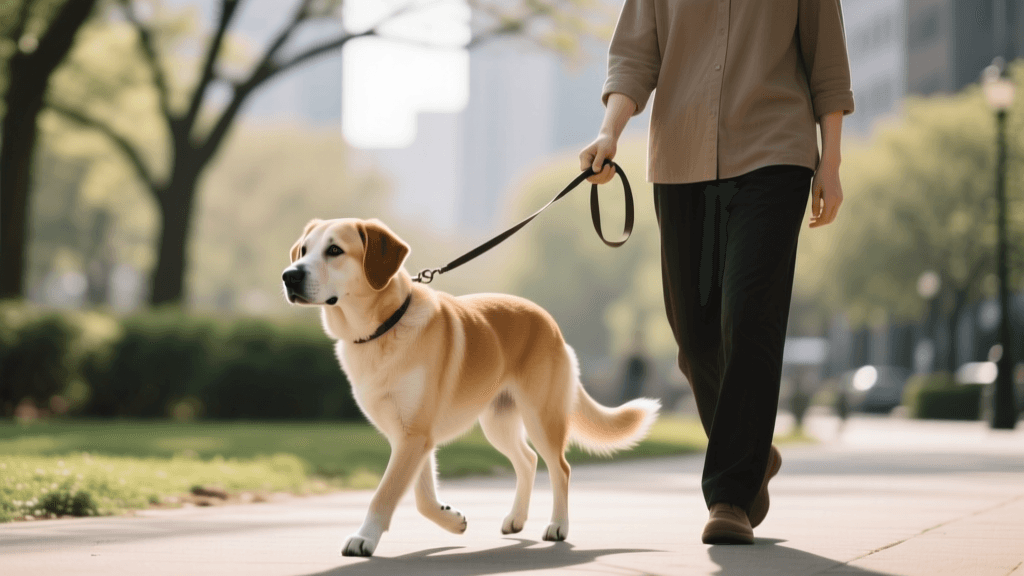
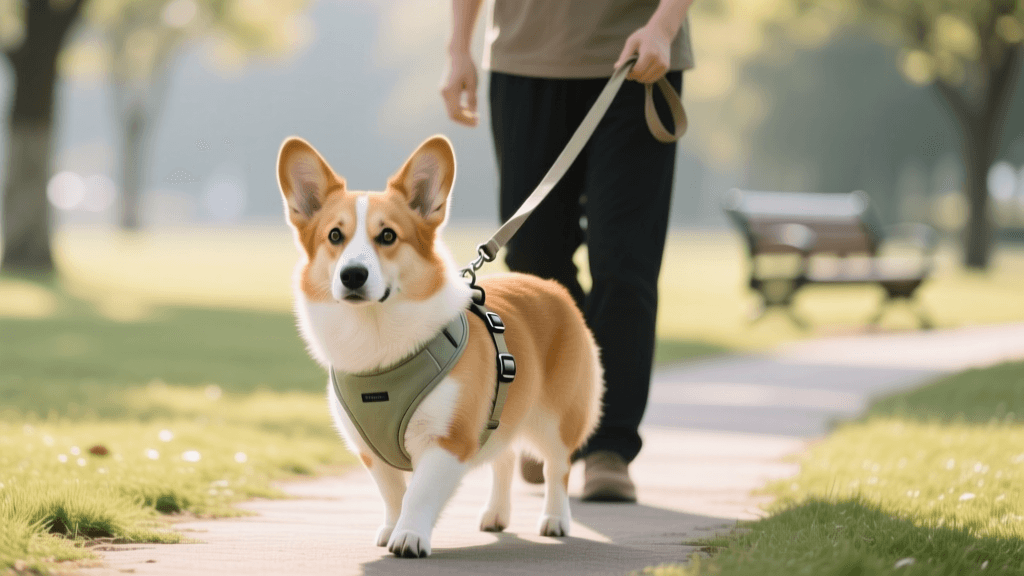
Before engaging in active counter-conditioning, a reactive dog requires a nervous system reset. In 2026, 'decompression walks' are a cornerstone of holistic behavioral therapy. Swap the standard 6-foot leash and restrictive collar for a well-fitted Y-front harness and a 15-to-30-foot biothane long line.
Take your dog to a low-traffic, natural environment. Allow them to roam and sniff at their own pace. The act of sniffing is not just a mental exercise; it is a physiological trigger for the parasympathetic nervous system. The olfactory bulb has direct neural pathways to the amygdala and hippocampus (the brain's emotional and memory centers). Engaging in deep, sustained sniffing naturally lowers cortisol levels and reduces heart rate, effectively 'meditating' the dog into a calmer baseline state.
Phase 2: Signal Mirroring and Spacing
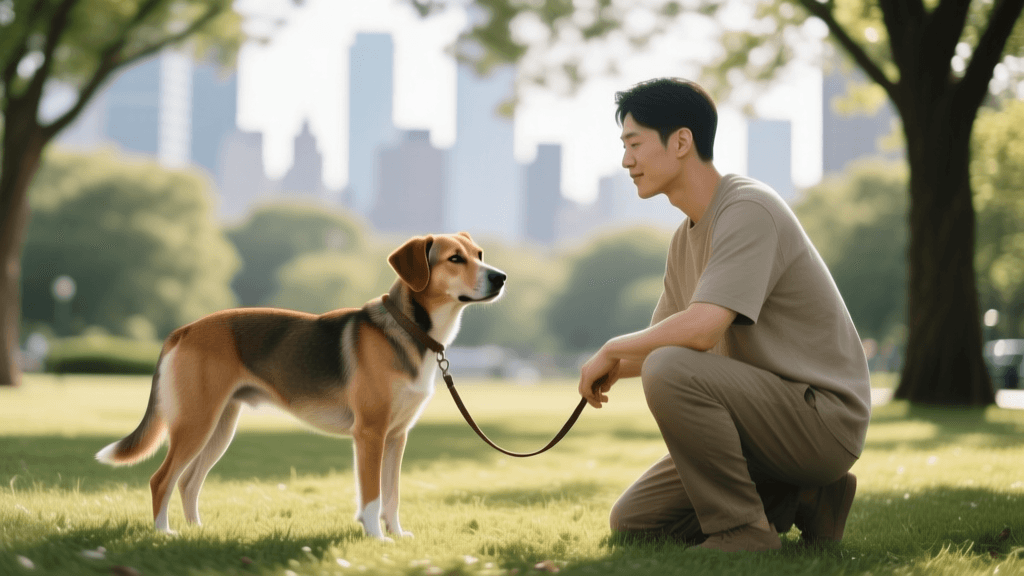
When a trigger (like another dog) appears at a distance, observe your dog. If they offer a calming signal, such as turning their head or sniffing the ground, immediately mirror that behavior. Turn your own body slightly away from the trigger, soften your posture, and take a deep, audible breath. Dogs are highly attuned to the somatic state of their handlers. By regulating your own breathing and adopting a non-confrontational posture, you act as an external nervous system regulator for your dog, a concept known as co-regulation.
Use the long line to manage spatial pressure. If your dog stiffens, gently and silently curve away from the trigger, increasing the distance until you see your dog's muscles relax and their breathing return to normal. You are teaching them that they have agency and that you will advocate for their need for space.
Phase 3: The Holistic Engage-Disengage Game
Once your dog is comfortably below their reactivity threshold, introduce the Engage-Disengage game using high-value, single-ingredient whole foods (such as freeze-dried beef lung or boiled chicken breast, avoiding highly processed commercial treats that can cause inflammatory spikes).
- Engage: Your dog notices the trigger at a safe distance. Mark the moment with a soft, low-pitched verbal cue like 'yes' or a gentle tongue click (mechanical clickers can sometimes startle sensitive dogs).
- Disengage: Your dog voluntarily turns away from the trigger to look at you or sniff the ground. Mark and reward heavily.
- The Holistic Twist: Instead of demanding eye contact (which can create intense, stressful focus), reward any natural disengagement behavior, such as a deep exhale, a shoulder shake-off, or a soft blink. This rewards the internal state of relaxation rather than just a physical trick.
Integrating Natural Adaptogens and Somatic Support
Training a reactive dog requires immense cognitive load. In 2026, holistic veterinarians and behaviorists frequently recommend pairing training protocols with natural adaptogens to support the adrenal system and promote neuroplasticity. These supplements do not sedate the dog; rather, they help the body process and clear stress hormones more efficiently.
| Natural Adaptogen | Primary Benefit | 2026 Holistic Application |
|---|---|---|
| L-Theanine | Promotes alpha brain waves associated with relaxed alertness. | Administered 45 minutes before planned exposure training walks. |
| Ashwagandha (KSM-66) | Modulates cortisol production and supports adrenal health. | Used as a daily supplement during intensive rehabilitation months. |
| Broad-Spectrum CBD | Interacts with the endocannabinoid system to reduce neuro-inflammation. | Given post-trigger exposure to assist in nervous system recovery. |
| Chamomile & Passionflower | Mild nervine relaxants that soothe the digestive-brain axis. | Brewed as a weak, cooled tea and poured over whole-food meals. |
Note: Always consult with a certified holistic or integrative veterinarian before introducing new supplements, especially if your dog is currently on pharmaceutical behavioral medications.
Leveraging 2026 Biometric Tracking for Objective Progress
One of the most exciting advancements in natural dog training in 2026 is the accessibility of biometric smart collars capable of tracking Heart Rate Variability (HRV). HRV is a primary indicator of autonomic nervous system balance. A higher HRV indicates a dog that is adaptable, relaxed, and recovering well from stress, while a chronically low HRV indicates a dog trapped in sympathetic dominance.
By monitoring your dog's HRV data, you can objectively determine if your training environment is too stimulating. If your dog's HRV plummets during a walk, it is a clear biological indicator that you need to increase distance from triggers or end the session early, regardless of whether your dog is outwardly barking. This removes the guesswork and human ego from the equation, allowing us to train the dog in front of us based on real-time physiological data.
Tracking Progress Without Punishment
Holistic progress is rarely linear. There will be days when your dog's 'stress bucket' is full due to environmental factors like barometric pressure changes, lack of sleep, or dietary sensitivities. On these days, the most natural and effective training choice is to skip the exposure work entirely and opt for an indoor scent game or a gentle canine massage session to promote lymphatic drainage and relaxation.
The ASPCA's Dog Behavior Resources consistently highlight that patience and environmental management are the bedrock of successful behavioral modification. By honoring your dog's natural communication styles, supporting their biology with whole-food nutrition and adaptogens, and regulating your own energy, you transform leash reactivity from a daily battle into a journey of mutual trust and profound connection.
beth-carrasco
All our authors care for dogs every day — read more of their work on the authors page.