Best Dog Breeds For Remote Workers & Training 2026
Discover the best dog breeds for remote workers in 2026 and learn expert WFH training techniques like mat training to keep your pup calm during calls.
The Ultimate Guide to WFH Dog Breeds and Training in 2026
As we settle into the permanent remote and hybrid work landscape of 2026, sharing your home office with a canine companion has become a staple of the modern professional lifestyle. However, a dog sleeping under your desk is a very different reality from a dog barking at every Slack notification or demanding attention during a critical Zoom presentation. The secret to a harmonious work-from-home (WFH) setup lies in the intersection of choosing the right breed and implementing targeted behavioral conditioning.
Not all dogs are naturally suited for the quiet, sedentary environment of a home office. High-drive working breeds may become frustrated and destructive without hours of daily stimulation, while certain companion and sighthound breeds naturally excel at the art of doing absolutely nothing. In this comprehensive guide, we will explore the best dog breeds for remote workers and break down the exact training protocols you need to condition your dog for a professional, distraction-free home office environment.
Top 4 Dog Breeds for Remote Workers
When selecting a WFH companion, you want a breed with an "off-switch"—a dog that is content to lounge for extended periods and is not easily triggered by household noises or the sight of delivery drivers passing the window.
1. The Greyhound
Often jokingly referred to as "45-mph couch potatoes," Greyhounds are arguably the ultimate remote work companion. Despite their racing background, retired Greyhounds and standard pet Greyhounds are incredibly low-energy indoors. They are generally quiet, rarely bark at the doorbell, and are perfectly happy to sleep on a large orthopedic bed in the corner of your office for eight hours. Their primary training need is simply learning where their designated sleeping spot is.
2. The Whippet
If you love the Greyhound temperament but prefer a smaller footprint, the Whippet is an exceptional choice. Weighing between 25 and 40 pounds, Whippets are clean, nearly odorless, and exceptionally quiet. They are highly sensitive to their owner’s emotional state, making them wonderful, calming presences during stressful workdays. They require a solid midday sprint in a fenced area, but once back in the home office, they immediately power down.
3. The Basset Hound
Basset Hounds are famously stubborn, but their sheer lack of urgency makes them fantastic office mates. They are not prone to pacing or interrupting your workflow. The main behavioral challenge with a Basset Hound is their vocalization; they can be prone to baying if they hear interesting smells or sounds outside. However, with proper audio desensitization training, they become immovable, snoring paperweights under your desk.
4. The Cavalier King Charles Spaniel
For those who want a bit more affection and a smaller lap dog, the Cavalier King Charles Spaniel is a top-tier pick. They are eager to please, highly trainable, and thrive on simply being near their humans. Unlike more neurotic toy breeds, Cavaliers tend to have a stable, relaxed temperament that adapts well to the quiet hum of a home office, provided they get a morning walk to burn off their initial puppy-like enthusiasm.
Essential WFH Training Techniques
Even the most naturally relaxed breeds require specific behavioral conditioning to understand the boundaries of your workday. According to the American Veterinary Medical Association (AVMA) dog care resources, establishing clear environmental cues is critical for reducing canine stress and preventing behavioral issues in the home. Here are the three core training pillars for the remote worker’s dog.
1. Mat Training and the "Place" Command
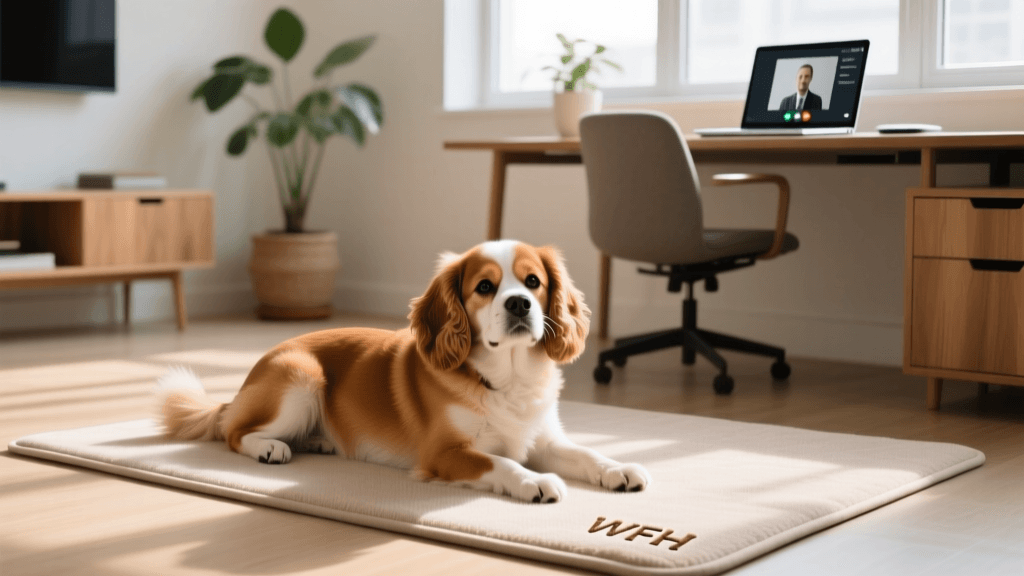
Mat training is the single most valuable skill for a WFH dog. It teaches your dog to go to a specific bed or mat and remain there until released. This is crucial for keeping them out of the camera frame during video calls and preventing them from tripping over your chair.
- Step 1: Choose a distinct, elevated cot or a specific chew-proof bed (like a Kuranda bed) that is only used during work hours.
- Step 2: Lure your dog onto the mat with a high-value treat. Mark the behavior with a clicker or a verbal "yes" and reward them while all four paws are on the mat.
- Step 3: Introduce the verbal cue "Place" just before they step onto the mat.
- Step 4: Gradually increase the duration. Start with 10 seconds, then 30, then build up to 30-minute increments while you sit at your desk. Reward calm, settled behavior with a long-lasting chew.
2. Audio Desensitization for Digital Notifications
In 2026, our homes are filled with digital triggers: the Slack knock, the Zoom ringtone, the Ring doorbell app, and email pings. Dogs quickly learn that these sounds mean you are distracted, which often prompts them to demand attention. Furthermore, sudden loud noises can trigger nuisance barking. The American Kennel Club’s expert advice on managing nuisance barking emphasizes the importance of counter-conditioning to change a dog’s emotional response to triggers.
To desensitize your dog, record your specific notification sounds. Play the sound at a very low volume while feeding your dog their favorite treat. Over several weeks, gradually increase the volume. The goal is to rewire the dog’s brain so that a Slack ping predicts a treat, rather than signaling an opportunity to interrupt you. Eventually, you can pair the sound with the "Place" command, teaching the dog that a notification is their cue to settle onto their mat.
3. Independence Training to Prevent Velcro Syndrome
One of the hidden dangers of WFH is that your dog becomes accustomed to your 24/7 presence. When you eventually need to leave for an in-person meeting, a dinner out, or a hybrid office day, the dog may experience severe distress. The ASPCA’s guidelines on separation anxiety highlight that dogs must be taught how to self-soothe and be comfortable in their own company, even when you are home.
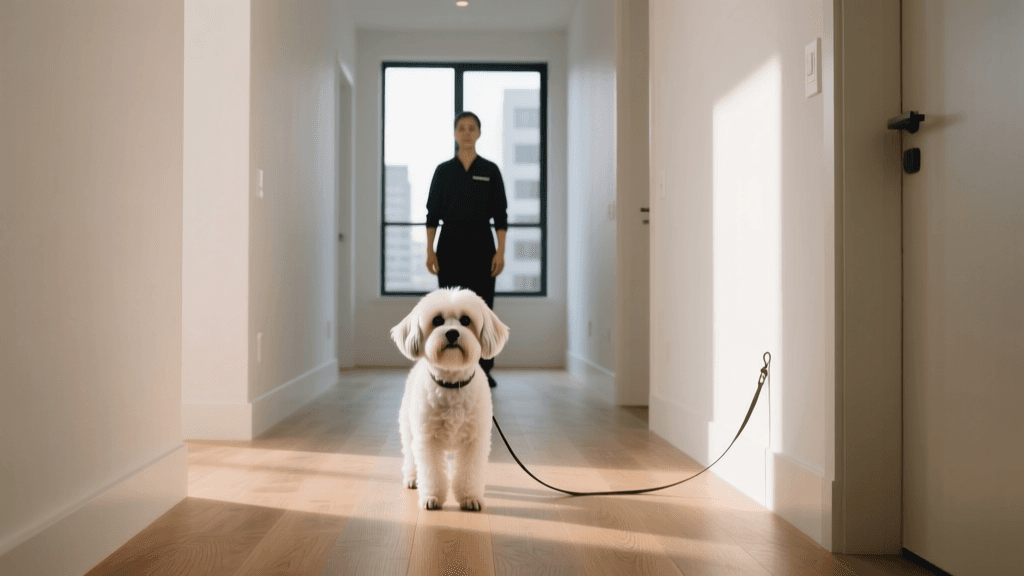
Implement "closed-door" training. Start by putting your dog on a tether or in a playpen with a puzzle toy, and step out of the room for two minutes. Return before they become anxious. Gradually extend this to 15, 30, and 60 minutes. Additionally, practice leaving the house for short errands without making a big fuss upon departure or return. This normalizes your absence and builds profound canine confidence.
Recommended WFH Dog Gear for 2026
To support your training, invest in gear that promotes independent, quiet play. The top-rated enrichment tools of 2026 include:
- Outward Hound Nina Ottosson Dog Brick Puzzle: Excellent for mental stimulation during your deep-work blocks. It requires the dog to use their nose and paws to uncover treats, tiring them out mentally without requiring physical space.
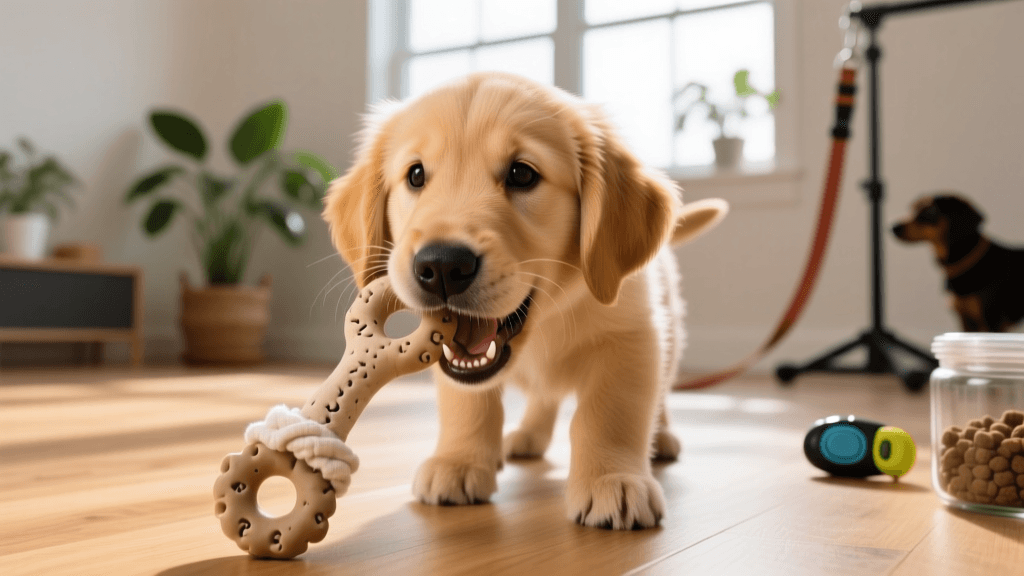
- Lick Mats with Suction Cups: Spread with plain Greek yogurt or pumpkin puree and frozen overnight. Licking is a naturally soothing behavior for dogs that releases endorphins, keeping them quietly occupied for up to 45 minutes during long meetings.
- Snuggle Pet Calming Beds with Heartbeat: Ideal for anxious breeds or puppies transitioning to the home office environment, providing a soothing sensory experience that encourages sleep.
Structured WFH Dog Schedule
Dogs thrive on predictability. A structured routine helps them understand when it is time to be active and when it is time to sleep. Below is an optimized daily schedule for the remote worker’s dog.
| Time Block | Activity | Training Focus |
|---|---|---|
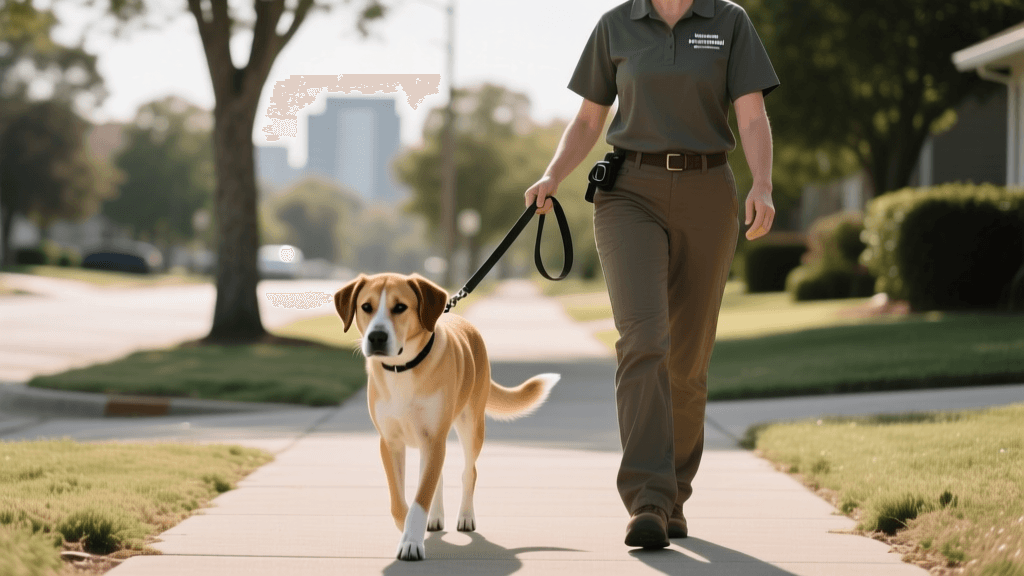
| 7:00 AM - 8:00 AM | Morning Walk & Sniffari | Loose-leash walking, mental enrichment via sniffing. |
| 8:00 AM - 8:30 AM | Breakfast & Potty Break | Impulse control (sit and wait before eating). |
| 8:30 AM - 11:00 AM | Deep Work Block 1 | Mat training, frozen lick mat, independent sleep. |
| 11:00 AM - 11:30 AM | Midday Play & Potty | Fetch, tug, or trick training to burn energy. |
| 11:30 AM - 2:00 PM | Deep Work Block 2 | Audio desensitization, puzzle toys, settling. |
| 2:00 PM - 3:00 PM | Long Walk or Dog Park | Socialization, recall practice, physical exercise. |
| 3:00 PM - 5:30 PM | Meetings & Admin Work | "Place" command reinforcement, quiet chewing. |
| 5:30 PM Onward | Evening Routine | Cuddle time, dinner, relaxation, independence training. |
Conclusion
Working from home with a dog in 2026 is a profound privilege that requires mutual respect and clear communication. By selecting a breed naturally inclined toward indoor relaxation—such as the Greyhound, Whippet, Basset Hound, or Cavalier King Charles Spaniel—and rigorously applying mat training, audio desensitization, and independence conditioning, you can create a flawless home office environment. Remember that consistency is your greatest tool; enforce your boundaries with positive reinforcement, and your dog will become the ultimate, silent partner in your professional success.
robin-maitland
All our authors care for dogs every day — read more of their work on the authors page.