Hiking and Camping With Dogs: Gear, Safety, and Trail Rules
Discover essential gear, safety tips, and trail etiquette for hiking and camping with your dog. Plan the perfect outdoor adventure today!

Introduction to Backcountry Adventures With Your Dog
Embarking on a backcountry adventure with your canine companion is one of the most rewarding experiences a dog owner can have. The crisp mountain air, the rustling leaves, and the shared joy of exploring untouched nature create bonds that last a lifetime. However, transitioning from neighborhood walks to rugged, multi-day hiking and camping trips requires meticulous planning, specialized gear, and a deep understanding of trail safety. Dogs are incredibly resilient and eager to please, but they rely entirely on their human handlers to navigate the unpredictable variables of the wilderness. From managing caloric intake and hydration to preventing tick-borne illnesses and practicing proper trail etiquette, a successful trip hinges on your preparation. This comprehensive guide will walk you through everything you need to know to safely and responsibly hike and camp with your dog.
Pre-Trip Conditioning and Veterinary Clearance
Before you hit the trail, it is crucial to condition your dog for the physical demands of the backcountry. Just like humans, dogs need to build up their endurance, muscle strength, and paw pad resilience over time. If your dog is used to 30-minute neighborhood strolls, suddenly asking them to hike eight miles over rocky, uneven terrain with elevation gain is a recipe for exhaustion and injury.
Start your conditioning program at least eight weeks before your trip. Begin with shorter, 2-to-3-mile hikes on dirt trails to introduce their paw pads to abrasive surfaces. Gradually increase the distance and elevation by no more than 10% to 15% each week. Introduce their loaded dog backpack during these training hikes, starting with empty saddlebags and slowly adding weight. A general rule of thumb is that a healthy, fully grown dog should carry no more than 25% of their total body weight in their pack. Always consult your veterinarian before starting a rigorous conditioning program, especially for senior dogs, brachycephalic breeds (like Bulldogs or Pugs), or dogs with joint issues.
Choosing Your Destination: National Forests vs. National Parks
One of the most common mistakes new outdoor enthusiasts make is assuming all public lands have the same pet policies. In the United States, the rules vary drastically depending on the managing agency. National Parks, managed by the National Park Service (NPS), are notoriously strict. In most National Parks, dogs are restricted to paved roads, parking lots, and campgrounds, and are strictly prohibited from backcountry trails to protect local wildlife and fragile ecosystems.
Conversely, National Forests, managed by the USDA Forest Service, are incredibly dog-friendly. Dogs are generally permitted on almost all backcountry trails and in dispersed camping areas within National Forests, provided they are under control. State parks and Bureau of Land Management (BLM) lands also tend to have more lenient pet policies. Always check the specific website of the exact ranger district you plan to visit, as local wildlife concerns (such as bear activity or ground-nesting birds) can lead to temporary leash mandates or trail closures.
Essential Gear Checklist and Comparison
Having the right gear can mean the difference between a miserable trip and a triumphant adventure. Investing in high-quality, purpose-built canine gear ensures your dog remains comfortable, visible, and safe. Below is a comparison table of essential backcountry gear for dogs, featuring industry-standard recommendations.
| Gear Category | Recommended Product | Weight | Est. Cost | Purpose |
|---|---|---|---|---|
| Support Harness | Ruffwear Web Master Harness | 1.5 lbs | $90 | Provides a sturdy handle to lift dogs over logs or steep scrambles. |
| Dog Backpack | Ruffwear Approach Pack | 1.2 lbs | $95 | Allows the dog to carry their own kibble, collapsible bowls, and waste bags. |
| Paw Protection | Musher's Secret Paw Wax | 2 oz | $16 | Creates a semi-permeable shield against hot rocks, ice, and abrasive dirt. |
| Sleeping Pad | Ruffwear Highlands Pad | 1.5 lbs | $50 | Insulates the dog from the cold ground and provides joint cushioning. |
| Water Filtration | Sawyer Squeeze Filter | 3 oz | $40 | Filters giardia and bacteria from alpine lakes for safe canine hydration. |
| LED Safety Light | Nite Ize SpotLit Collar Light | 0.5 oz | $15 | Keeps your dog visible at the campsite after the sun goes down. |
Nutrition and Hydration Strategy on the Trail
A dog's caloric needs can increase by 20% to 50% when hiking in the backcountry, depending on the terrain, temperature, and the weight they are carrying. It is highly recommended to switch to a high-protein, high-fat performance kibble (often labeled as 'active' or 'sport' formulas) a few weeks before your trip to help them build energy reserves. Portion out their daily food into ziplock bags, adding an extra half-cup of kibble per day for multi-day treks.
Hydration is equally critical. Dogs cool themselves primarily through panting, which leads to rapid moisture loss. A general guideline is that a dog needs approximately 1 ounce of water per pound of body weight per day under normal conditions, but this can easily double during strenuous hiking. Never rely solely on natural water sources, as stagnant water can harbor leptospirosis or giardia. Carry a dedicated canine water bottle or use a lightweight water filter to pump clean water into a collapsible silicone bowl. Offer water breaks every 45 to 60 minutes, even if your dog does not appear thirsty.
Trail Etiquette and Wildlife Encounters
Sharing the wilderness means respecting other hikers, the environment, and the local fauna. According to guidelines highlighted by REI Co-op, proper trail etiquette starts with leash management. Even if a trail is designated as 'off-leash,' it is best practice to keep your dog on a 6-foot lead when passing other hikers, mountain bikers, or equestrians. Not everyone is comfortable around dogs, and an overly enthusiastic off-leash dog can cause a biker to crash or a horse to spook.
Wildlife encounters are a genuine risk in the backcountry. Dogs can easily provoke defensive reactions from bears, moose, or porcupines. If you are hiking in bear country, attach a bear bell to your dog's harness to create noise that warns wildlife of your approach, preventing surprise encounters. Never allow your dog to chase wildlife; this not only endangers the animal but can lead your dog into dangerous situations, such as porcupine quill impalements or snake bites. Furthermore, strictly adhere to Leave No Trace principles. This means packing out all of your dog's waste in sealed odor-proof bags. Burying dog waste is not acceptable, as the high-protein diet of domestic dogs introduces foreign nutrients and pathogens into fragile alpine ecosystems.
Health, Paw Care, and Canine First Aid
The wilderness is teeming with parasites, and tick-borne diseases like Lyme disease and Anaplasmosis pose a severe threat to backcountry dogs. The American Veterinary Medical Association (AVMA) strongly recommends year-round tick prevention, but it is especially critical before a camping trip. Consult your vet about oral preventatives like NexGard or Bravecto, and perform thorough tick checks every evening at camp, paying special attention to the ears, armpits, and between the toe pads.
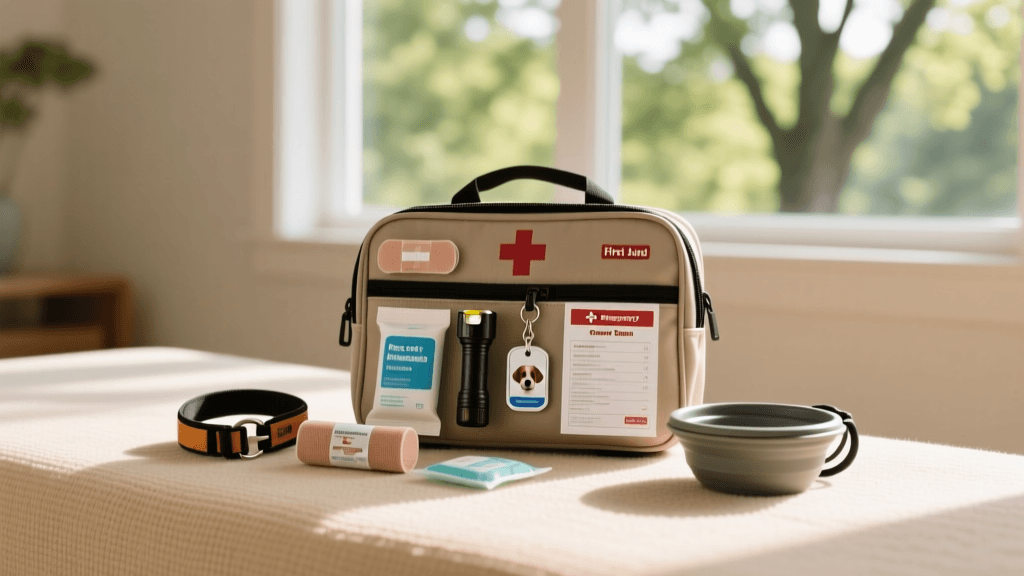
Paw care is another vital component of trail health. Before setting up camp, inspect your dog's paw pads for micro-tears, cracks, or embedded debris like pine needles and burrs. Apply a generous layer of paw wax to soothe dry pads and protect them for the next day's hike. Your canine first aid kit should include veterinary wrap (cohesive bandage), blunt-tipped scissors, tweezers for tick or quill removal, antiseptic wipes, and canine-specific antihistamines (like Benadryl) for allergic reactions to insect stings. Always carry a printed copy of your dog's vaccination records and the phone number of the nearest emergency veterinary clinic to your camping destination.
Conclusion
Hiking and camping with your dog elevates the outdoor experience, transforming a simple nature walk into a shared journey of discovery and endurance. By investing time in pre-trip conditioning, selecting dog-friendly public lands like National Forests, and packing purpose-built gear, you set the stage for a flawless adventure. Remember that responsible backcountry stewardship means prioritizing your dog's hydration, enforcing strict leash etiquette, and packing out all waste. With the right preparation and a comprehensive first aid strategy, the wilderness becomes a safe, exhilarating playground for you and your best friend for years to come.
jonas-cole
All our authors care for dogs every day — read more of their work on the authors page.