Senior Dog Care: Adapting Your Home and Daily Routine
Discover practical tips for senior dog care, including home modifications, joint supplements, and daily routine adjustments to keep your aging pup comfortable.
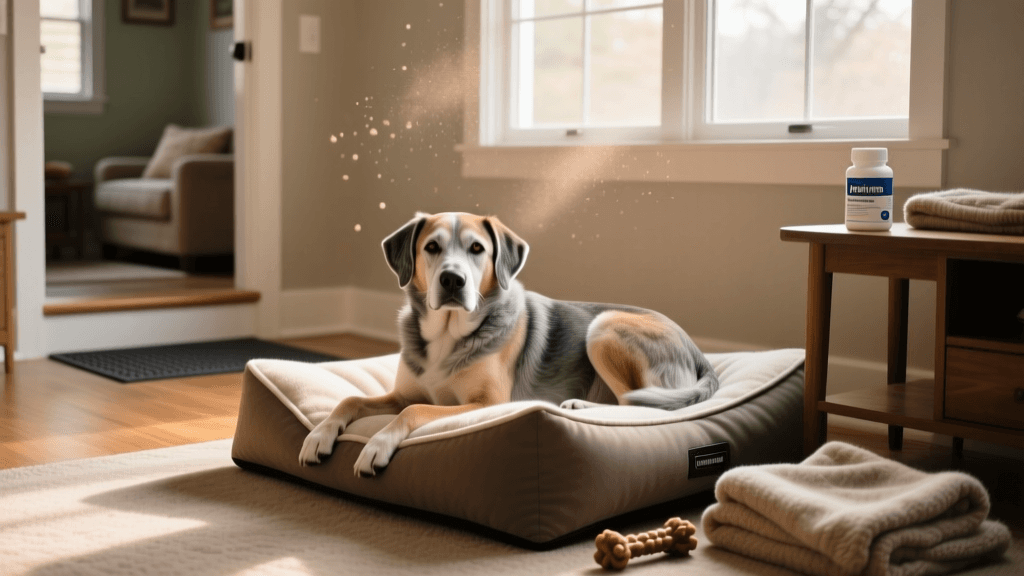
Sharing your life with a dog is a profound journey, and watching them transition into their golden years is both a privilege and a responsibility. As your canine companion ages, their physical and cognitive needs shift dramatically. The energetic pup who once bounded up the stairs and slept through the night may now struggle with stiff joints, fading senses, and changing metabolic demands. Adapting your home environment and daily routine is not just about comfort; it is essential for preserving your senior dog's quality of life and independence.
According to the American Animal Hospital Association (AAHA), proactive senior care involves anticipating age-related changes before they become severe medical issues. By making targeted adjustments to your living space, exercise regimen, and nutritional plan, you can help your aging dog navigate their later years with dignity and joy.
Defining the Senior Life Stage
The term 'senior' does not correspond to a single chronological age. A dog's aging process is heavily influenced by their genetics, breed, and adult size. Generally, smaller breeds age more slowly than their larger counterparts. Understanding when your dog crosses the threshold into their senior years is the first step in tailoring their care.
| Breed Size Category | Weight Range | Estimated Senior Threshold |
|---|---|---|
| Small / Toy Breeds | Under 20 lbs | 10 - 12 Years |
| Medium Breeds | 21 - 50 lbs | 8 - 10 Years |
| Large Breeds | 51 - 90 lbs | 7 - 9 Years |
| Giant Breeds | Over 90 lbs | 5 - 7 Years |
Essential Home Modifications for Comfort and Safety
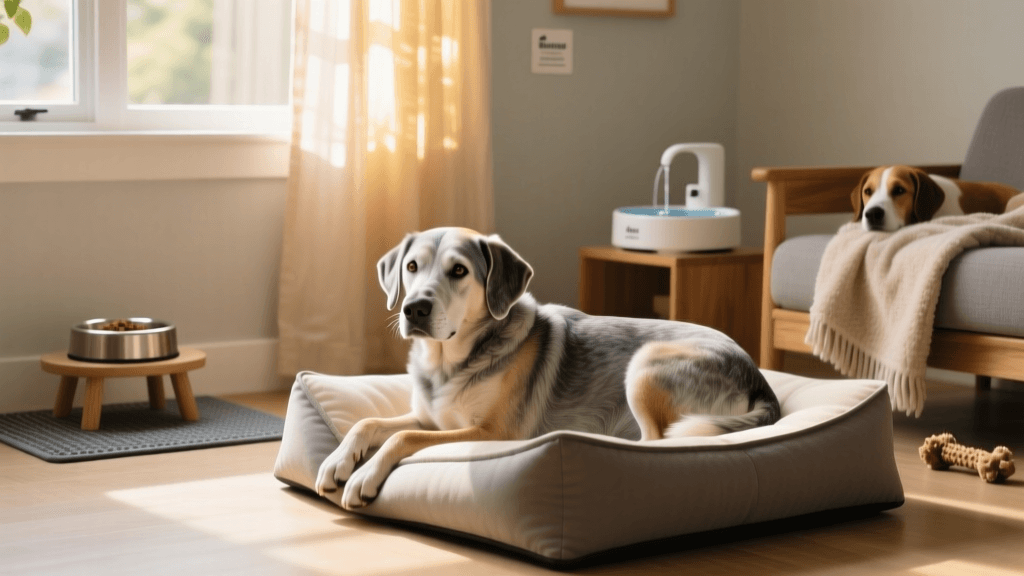
A dog's home environment can inadvertently become an obstacle course as their mobility and senses decline. Implementing a few strategic, cost-effective modifications can drastically reduce the risk of injury and alleviate daily stress.
Flooring and Traction
Hardwood, tile, and laminate floors are notoriously slippery for older dogs suffering from arthritis or muscle atrophy. When a dog loses its footing, it can cause micro-tears in muscles or exacerbate hip dysplasia. Cover high-traffic areas and your dog's favorite resting spots with non-slip area rugs or interlocking foam yoga mats. These provide the necessary grip for confident movement without requiring a full carpet replacement.
Furniture Accessibility
If your dog is accustomed to sleeping on the bed or couch, suddenly barring them from these spots can cause anxiety and confusion. Instead of lifting heavy large-breed dogs—which risks injury to both you and the dog—invest in a sturdy pet ramp or stairs. Look for products with high-traction surfaces and gradual inclines, such as the PetSafe CozyUp Folding Pet Ramp. Ensure the ramp is wide enough (at least 16 inches) to accommodate a swaying, unsteady gait.
Lighting and Vision Support
Canine lenticular sclerosis and cataracts are common in aging dogs, leading to diminished vision, especially in low light. Install motion-sensor LED nightlights in hallways, near staircases, and by the door you use for late-night potty breaks. This simple addition helps disoriented dogs navigate their space without bumping into furniture.
| Modification | Purpose | Estimated Cost |
|---|---|---|
| Interlocking Foam Mats | Provide slip-resistant pathways on hard floors | $30 - $60 |
| Orthopedic Memory Foam Bed | Relieve pressure on arthritic joints (e.g., Big Barker) | $150 - $300 |
| Pet Ramp with Side Rails | Safe access to elevated furniture and vehicles | $60 - $120 |
| LED Motion Nightlights | Assist fading vision during nighttime navigation | $15 - $25 |
| Elevated Food/Water Bowls | Reduce neck strain and aid in digestion/megaesophagus | $20 - $45 |
Adapting Your Daily Exercise Routine
Exercise remains vital for senior dogs to maintain muscle mass, manage weight, and support cardiovascular health. However, the intensity and duration must be adjusted to accommodate aging joints and decreased stamina.
The Power of the 'Sniffari'
Replace long, brisk walks with 'Sniffaris.' A Sniffari is a slow, dog-led walk where the primary goal is mental enrichment through scent exploration rather than physical distance. Sniffing lowers a dog's heart rate and engages their brain, providing as much mental fatigue as a vigorous run. Allow your dog 20 to 30 minutes to thoroughly investigate a single park bench or patch of grass. This is particularly beneficial for dogs with severe osteoarthritis who cannot handle prolonged weight-bearing exercise.
Low-Impact Alternatives
If your dog still loves the water, swimming or hydrotherapy is an exceptional low-impact exercise. The buoyancy of the water supports their weight while the resistance builds muscle. Alternatively, short, frequent walks (e.g., three 10-minute walks instead of one 30-minute walk) prevent the 'boom and bust' cycle where a dog overexerts themselves on day one and suffers from severe stiffness for the next three days.
Senior Nutrition and Targeted Supplementation
As metabolism slows, senior dogs are prone to weight gain, which places catastrophic stress on deteriorating joints. Conversely, some geriatric dogs experience muscle wasting and weight loss. Regular body condition scoring at home is essential.
Joint and Brain Support
Nutritional supplements can bridge the gap between diet and therapeutic intervention. Look for joint supplements containing a combination of Glucosamine Hydrochloride, Chondroitin Sulfate, and MSM. Brands like Dasuquin or Cosequin are veterinarian-recommended for their bioavailability. Additionally, Omega-3 fatty acids (specifically EPA and DHA) are potent anti-inflammatories. A high-quality fish oil, such as Nordic Naturals Omega-3 Pet, can improve coat health, reduce joint inflammation, and support cognitive function. Always consult your veterinarian for precise dosing based on your dog's weight.
Recognizing Canine Cognitive Dysfunction (CCD)
Canine Cognitive Dysfunction (CCD) is the canine equivalent of Alzheimer's disease. According to the Cornell University College of Veterinary Medicine, CCD affects a significant portion of the senior dog population, yet it is frequently dismissed by owners as 'normal aging.' Early intervention can slow the progression of symptoms.
Monitor your dog for the DISHA acronym, a standard veterinary diagnostic framework for CCD:
- D - Disorientation: Wandering aimlessly, getting stuck in corners, or staring blankly at walls.
- I - Interactions: Changes in how they interact with family members, including increased clinginess or uncharacteristic irritability.
- S - Sleep-Wake Cycle Changes: Pacing or vocalizing at night while sleeping excessively during the day.
- H - House Soiling: Forgetting previously learned house-training cues or failing to signal to go outside.
- A - Activity Level Changes: A decrease in purposeful activity or an increase in repetitive, compulsive behaviors like licking.
If you notice any of these signs, introduce puzzle toys (like the Kong Classic stuffed with frozen, low-sodium bone broth) to stimulate neural pathways, and discuss prescription diets rich in medium-chain triglycerides (MCTs) with your vet.
The Importance of Bi-Annual Veterinary Care
The ASPCA strongly recommends that senior dogs visit the veterinarian at least twice a year. Because dogs age much faster than humans, a six-month interval is equivalent to a human visiting the doctor every three to four years. Early detection is the cornerstone of senior care.
During these visits, request a comprehensive senior blood panel and urinalysis. This allows your vet to establish baselines and catch insidious diseases like chronic kidney disease, hypothyroidism, and liver dysfunction before clinical symptoms appear. Furthermore, regular dental assessments are critical; periodontal disease is not only painful but can lead to systemic infections affecting the heart and kidneys.
'The goal of senior care is not merely to extend the quantity of a dog's life, but to fiercely protect the quality of the days they have left. Proactive environmental and medical management is the greatest gift we can offer our aging companions.'
Conclusion
Caring for a senior dog requires patience, observation, and a willingness to adapt. By modifying your home to ensure safety, shifting to mentally enriching and low-impact exercises, and staying ahead of medical issues with bi-annual veterinary care, you honor the lifelong bond you share. Your dog has spent their life adjusting to your world; their golden years are your opportunity to adjust the world to them, ensuring their final chapters are filled with comfort, dignity, and love.
hannah-wickes
All our authors care for dogs every day — read more of their work on the authors page.