Build the Ultimate Dog First Aid and Evacuation Kit
Learn how to build a comprehensive dog first aid and evacuation kit. Protect your pet during natural disasters with this essential emergency safety guide.
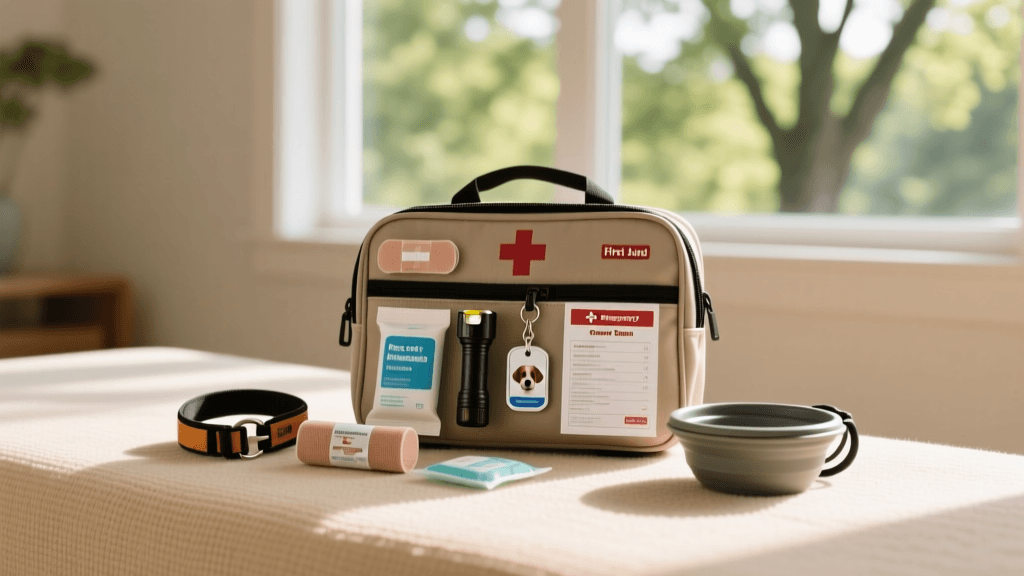
Why Disaster Preparedness is Non-Negotiable for Dog Owners
When a natural disaster strikes—whether it is a rapidly approaching wildfire, a sudden flash flood, or a severe hurricane—the resulting chaos can be overwhelming. For dog owners, the stakes are incredibly high. In the panic of an emergency, pets are often inadvertently left behind or suffer preventable injuries due to a lack of immediate medical supplies. According to the Federal Emergency Management Agency (FEMA), preparing a specific evacuation plan and emergency kit for your pets is just as critical as preparing one for your human family members. Relying on local shelters to accommodate your dog is a risky strategy, as many emergency human shelters do not accept animals due to health and safety regulations.
As a responsible dog owner, your goal is self-sufficiency for at least 72 hours. This comprehensive guide will walk you through building a robust canine first aid kit, assembling a 72-hour evacuation "go-bag," and formulating a concrete action plan to ensure your dog's safety when seconds count.
Building the Core Canine First Aid Kit
A dog-specific first aid kit differs significantly from a human one. Dogs have different physiological responses to trauma, and certain human medications are highly toxic to canines. Your kit should be stored in a waterproof, durable container and kept in an easily accessible location near your primary exit.
Essential Wound Care and Trauma Supplies
- Non-Stick Sterile Gauze Pads and Rolls: Essential for wrapping wounds without sticking to the dog's fur or clotted blood.
- Self-Adhering Bandage Wrap (Vet Wrap): This cohesive bandage sticks to itself but not to fur, making it invaluable for securing splints or applying pressure to bleeding lacerations.
- Styptic Powder: A vital tool for stopping bleeding from torn or over-clipped nails, which is a common and painful injury during frantic evacuations.
- Yunnan Baiyao: A traditional Chinese herbal hemostatic agent widely used by veterinarians to stop severe internal and external bleeding. Keep the small red emergency pills in your kit for critical trauma.
- 3% Hydrogen Peroxide: Used strictly under the guidance of a veterinarian or animal poison control to induce vomiting if your dog ingests a toxin. The standard dosage is typically 1 teaspoon per 5 pounds of body weight, but never administer this without professional instruction.
Handling and Assessment Tools
- Soft Nylon Muzzle: Even the most affectionate, well-trained dog may bite when experiencing severe pain or shock. A soft muzzle protects you and allows you to safely administer first aid.
- Digital Rectal Thermometer: A dog's normal resting temperature ranges between 101.0°F and 102.5°F. Fever or hypothermia are critical indicators of shock or infection.
- Blunt-Tipped Scissors and Tweezers: For safely cutting away matted fur around a wound or removing ticks and debris from paw pads.
- Saline Eye Wash: Crucial for flushing out smoke ash, dust, or chemical irritants from your dog's eyes during environmental disasters.
Assembling the 72-Hour Evacuation Go-Bag
Your first aid kit handles medical emergencies, but your "go-bag" handles survival. When packing for your dog, you must account for their specific caloric and hydration needs over a minimum three-day period. Invest in a dedicated, rugged canine backpack (like those made by Kurgo or Ruffwear) so your dog can carry a portion of their own lightweight supplies if terrain requires hiking to safety.
Hydration and Nutrition Math
A general rule of thumb for canine hydration is that a dog needs approximately one ounce of water per pound of body weight each day. Therefore, a 50-pound Labrador requires about 50 ounces (roughly 1.5 liters) of water daily. For a 72-hour evacuation, you must pack at least 4.5 liters of water solely for that dog, not including water needed for rehydrating dry food or cleaning wounds. Pack high-calorie, nutrient-dense dry kibble in airtight, waterproof mylar bags to save space and prevent spoilage.
72-Hour Evacuation Supply Checklist
| Category | Item | Quantity / Specs | Purpose |
|---|---|---|---|
| Hydration | Purified Water | 1 oz per lb of body weight/day | Prevent dehydration and flush wounds |
| Nutrition | Dry Kibble / Canned Food | 3-day supply in airtight mylar | Maintain energy and reduce stress |
| Restraint | Spare Leash and Harness | 1 sturdy nylon harness, 6ft leash | Safe transport and preventing bolting |
| Medical | Pet First Aid Manual | 1 pocket-sized waterproof guide | Reference during high-stress panic |
| Documentation | Vaccination Records | Laminated copies + USB drive | Required for boarding and shelters |
| Comfort | Familiar Scent Item | 1 worn t-shirt or small blanket | Reduce anxiety in unfamiliar settings |
Formulating a Pet-Inclusive Evacuation Plan
Supplies are useless without a strategy. The ASPCA strongly recommends that all pets be microchipped and wear collars with up-to-date, visible ID tags. If you become separated during a chaotic evacuation, a microchip is the only permanent, undeniable link back to you. Ensure your microchip registry contact info is updated annually.
Mapping Safe Havens
Do not wait until the sirens sound to find out where you can take your dog. Create a physical and digital map of pet-friendly locations outside your immediate disaster zone. This list should include:
- Pet-Friendly Hotels: Use resources like BringFido to identify motels along your evacuation route that do not enforce strict weight limits or breed restrictions.
- Out-of-Area Contacts: Identify friends or family members who live at least 100 miles away and are willing to foster your dog temporarily.
- Veterinary Boarding Facilities: Locate emergency boarding clinics outside the disaster radius that accept displaced animals.
Pro Tip: Keep a "Rescue Alert" sticker on your front windows. If you are forced to evacuate and your dog is accidentally left inside, this sticker alerts firefighters and rescue workers that an animal is trapped in the home, noting the breed, name, and your emergency contact number.
Handling Acute Field Emergencies
During natural disasters, the environment itself becomes a hazard. Knowing how to handle acute field emergencies can mean the difference between life and death before you reach a veterinary triage center.
Heatstroke and Paw Pad Burns
Wildfires and summer hurricanes often bring extreme heat. Dogs do not sweat through their skin; they pant and release heat through their paw pads. If you must evacuate on foot across hot asphalt or scorched earth, apply a protective paw wax like Musher's Secret. If your dog begins excessive panting, staggering, or vomiting, they may be suffering from heatstroke. Immediately move them to shade, apply cool (not ice-cold) water to their groin, armpits, and neck, and offer small sips of water. Rush to a vet immediately, as heatstroke causes rapid organ failure.
Snake Bites and Wildlife Encounters
Flooded areas and displaced wildlife increase the risk of venomous snake bites. The American Veterinary Medical Association (AVMA) advises that if your dog is bitten by a snake, you must keep them as calm and still as possible to slow the spread of venom. Do not apply a tourniquet, do not attempt to suck out the venom, and do not ice the wound. Carry your dog to your vehicle and transport them to the nearest emergency veterinary clinic for antivenom administration.
Kit Maintenance and Final Thoughts
Building your dog's first aid and evacuation kit is not a one-time chore; it requires ongoing maintenance. Set a recurring calendar reminder every six months—perhaps coinciding with the daylight saving time changes—to audit your go-bag. Rotate out expiring canned food, replace expired hydrogen peroxide and medications, and update your dog's medical records and weight-based dosage calculations. By taking these proactive steps, you transition from a state of vulnerability to one of empowerment, ensuring that your loyal companion remains safe, secure, and by your side no matter what nature throws your way.
aaron-whyte
All our authors care for dogs every day — read more of their work on the authors page.