High-Rise Dog Potty Training: Balcony Setups and Tips
Discover practical high-rise dog potty training tips, balcony setup ideas, and indoor solutions to make apartment living easier for you and your pup.

The Unique Challenge of High-Rise Potty Training
Living in a high-rise apartment with a dog is a unique and rewarding experience, but it comes with a very specific set of logistical hurdles. The convenience of vibrant city life often clashes with the biological realities of dog ownership, particularly when you live on the 14th floor. Unlike suburban homeowners who can simply open the back door, urban dog parents must navigate elevators, busy lobbies, and concrete sidewalks just to give their pets a bathroom break. This daily trek can be exhausting, especially during extreme weather, late-night emergencies, or when managing a puppy's developing bladder.
Fortunately, creating a dedicated balcony potty station can revolutionize your urban dog routine. By bringing the outdoors to your high-rise, you can save time, reduce stress, and provide a reliable relief area for your dog. In this comprehensive guide, we will explore the best balcony setups, compare top products, and outline a step-by-step training plan to help your dog adapt to high-rise living.
The Logistics of Elevator Potty Breaks
Before diving into balcony setups, it is important to acknowledge the reality of traditional high-rise potty breaks. Timing and elevator etiquette are paramount. When your dog needs to go, every second counts. Waiting for an elevator on the 20th floor while your dog does the 'potty dance' is a stressful experience that no owner wants to repeat.
Essential Elevator Etiquette for Dog Owners
- Short Leashes: Always keep your dog on a short, 4-foot leash in the elevator and lobby. Retractable leashes are a hazard in confined spaces and can lead to tangled accidents.
- Peak Hour Avoidance: Try to schedule potty breaks outside of peak commuter hours (8:00 AM - 9:00 AM and 5:00 PM - 6:30 PM) to avoid overcrowded elevators and anxious neighbors.
- The 'Carry' Rule for Puppies: If you are potty training a puppy, carry them through the lobby and elevator to prevent accidents on shared carpets. Only set them down once you reach the designated outdoor relief area.
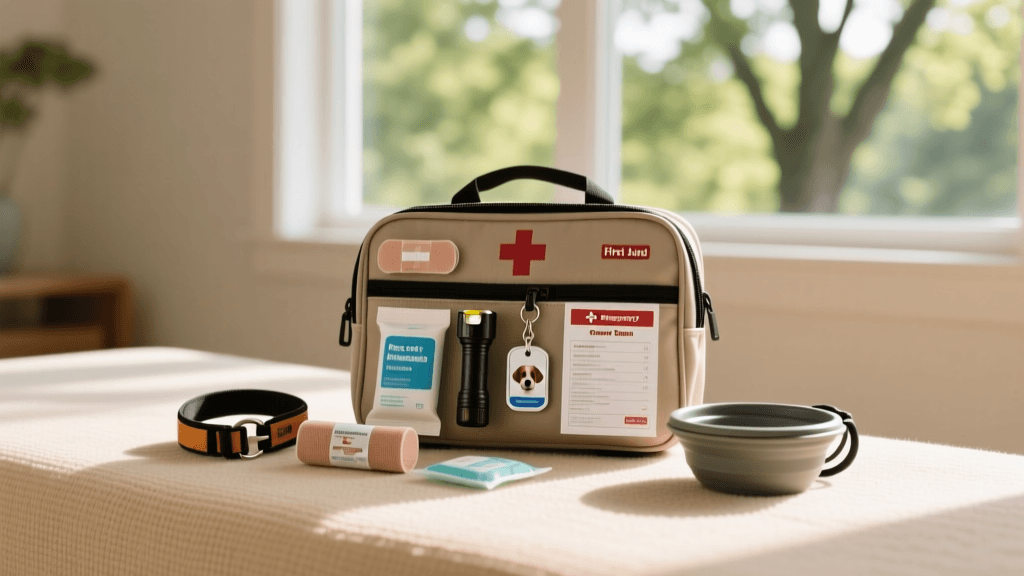
- The Midnight Go-Bag: Keep a small caddy by your front door containing poop bags, a flashlight, high-value treats, and a spare leash. When a 2:00 AM emergency strikes, fumbling for supplies in the dark only adds to the stress.
Balcony Potty Stations: Products and Measurements
A balcony potty station is an excellent solution for high-rise dwellers, but it requires careful planning regarding space, drainage, and materials. A standard apartment balcony might measure 4x8 feet or 6x10 feet. You do not need to cover the entire space; a dedicated 2x3 foot or 3x4 foot area is usually sufficient for most small to medium-sized breeds.
Top Product Categories for Balcony Use
1. Subscription Real Grass Patches: Brands like DoggieLawn and Fresh Patch deliver hydroponically grown grass in a cardboard or plastic tray directly to your door. The grass naturally absorbs odors and feels authentic to your dog. Cost: $20 to $35 every two weeks, depending on the size.
2. Elevated Drainage Systems: Products like the Porch Potty feature a raised metal or resin grate over a drainage basin. You can place real grass, artificial turf, or leave the grate bare. A built-in hose attachment allows you to flush the basin directly into a balcony floor drain (if your building permits). Cost: $150 to $250 upfront.
3. Artificial Turf Mats: Reusable synthetic grass mats with a triple-layer drainage system. While cost-effective over time, they require rigorous daily cleaning to prevent ammonia buildup. Cost: $40 to $80 upfront.
Comparing Balcony Potty Solutions
Choosing the right surface depends on your budget, your dog's preferences, and your balcony's drainage capabilities. Below is a detailed comparison chart to help you decide.
| Material Type | Estimated Cost | Odor Control | Maintenance Level | Best For |
|---|---|---|---|---|
| Subscription Real Grass | $25 - $35 / bi-weekly | Excellent (Natural) | Low (Throw away & replace) | Busy professionals, dogs that refuse fake grass |
| Elevated Drainage System | $150 - $250 (Upfront) | Very Good (If flushed daily) | Medium (Requires hosing down) | Large balconies with floor drains |
| Artificial Turf Mats | $40 - $80 (Upfront) | Poor to Fair | High (Daily washing required) | Budget-conscious owners, sunny balconies |
| Washable Pee Pads | $20 - $40 (Upfront) | Fair | High (Daily laundry) | Small toy breeds, indoor use during winter |
Training Your Dog to Use the Balcony
Transitioning a dog from outdoor grass to a balcony patch requires patience and positive reinforcement. Dogs rely heavily on scent and texture cues, so a sudden change in environment can cause confusion. The Humane Society of the United States emphasizes that punishing a dog for accidents only creates fear and anxiety; instead, focus on rewarding successful behaviors.
Step-by-Step Transition Plan
- Scent Transfer: Before introducing your dog to the new balcony patch, take a clean paper towel, dab it in their outdoor urine, and press it onto the new grass or turf. This immediately signals that this is a bathroom zone.
- Leashed Balcony Sessions: Do not just open the door and expect them to figure it out. Put your dog on a leash, walk them onto the balcony, and stand quietly with them for 5 to 10 minutes, just as you would outdoors.
- High-Value Rewards: Keep a jar of high-value treats (like freeze-dried liver or small pieces of boiled chicken) right by the balcony door. The second they eliminate on the patch, praise enthusiastically and deliver the treat immediately.
- Restrict Access: When you are not actively supervising a potty session, restrict access to the balcony. If they go out there to play or chew on the grass, they will confuse the potty zone with a play zone.
Pro Tip: If your dog is stubbornly refusing the balcony patch, place their favorite toy or a piece of your worn clothing near the station to make the area feel safe and familiar. Never force them onto the patch, as this can create negative associations.
Odor Control in Small Apartment Spaces
In a high-rise apartment, especially during the humid summer months or when windows are closed in winter, balcony odors can quickly seep into your living space. Maintaining a sanitary environment is crucial, as noted by the American Veterinary Medical Association (AVMA), to prevent the spread of bacteria and ensure a healthy home for both you and your pet. Furthermore, always check your building's HOA or management rules regarding balcony drainage; many buildings prohibit hosing pet waste into shared drainage systems due to environmental and plumbing codes.
The 3-Step Balcony Deodorizing Routine
- Daily Enzymatic Spray: Keep a bottle of pet-safe enzymatic cleaner (such as Nature's Miracle or Rocco & Roxie) on the balcony. After your dog urinates and you remove any solid waste, spray the area generously. Enzymes break down the uric acid crystals that cause lingering ammonia smells.
- Weekly Deep Clean: If using artificial turf or a plastic tray, remove the surface and scrub the underlying balcony concrete or drainage basin with a mixture of warm water and white vinegar. Avoid bleach, as the smell of bleach can actually mimic the scent of ammonia and encourage dogs to re-soil the area.
- Air Purification: Place a compact air purifier with a True HEPA and Activated Carbon filter near the balcony door inside your apartment. The carbon filter is essential, as it traps volatile organic compounds (VOCs) and odor molecules that HEPA filters alone cannot catch.
Extreme Weather and Indoor Alternatives
City weather can be unforgiving. During blizzards, freezing rain, or extreme heatwaves, stepping out onto an exposed balcony or walking down to the street may not be safe for your dog. It is wise to have an indoor backup plan. For small breeds, a dedicated indoor litter box filled with dog-specific paper pellets (like SecondNature) can be a lifesaver. For larger breeds, keeping a spare, disposable real-grass patch in a low-traffic bathroom or laundry room ensures your dog has a comfortable place to relieve themselves when the urban elements are too harsh.
If you must take your dog down to the street during winter, remember that city sidewalks are heavily treated with chemical de-icers and rock salt. These chemicals can cause severe burns to your dog's paw pads and are highly toxic if ingested during post-walk grooming. Always apply a protective paw wax like Musher's Secret before heading out, and keep a damp towel by the door to thoroughly wipe their paws and underbelly the moment you return to the lobby.
Conclusion
Mastering high-rise dog potty training is all about creating a predictable, hygienic, and accessible environment for your pet. By investing in the right balcony setup, adhering to a strict cleaning routine, and utilizing positive reinforcement, you can eliminate the stress of elevator sprints and enjoy the many wonderful aspects of urban dog ownership. Your dog will appreciate the consistency, and you will love the convenience of a perfectly managed apartment lifestyle.
hannah-wickes
All our authors care for dogs every day — read more of their work on the authors page.