First-Time Owner Guide To A Perfect Daily Puppy Routine
Discover how to establish a successful daily routine for your new puppy. Get expert schedules, potty training tips, and feeding guides for first-time owners.
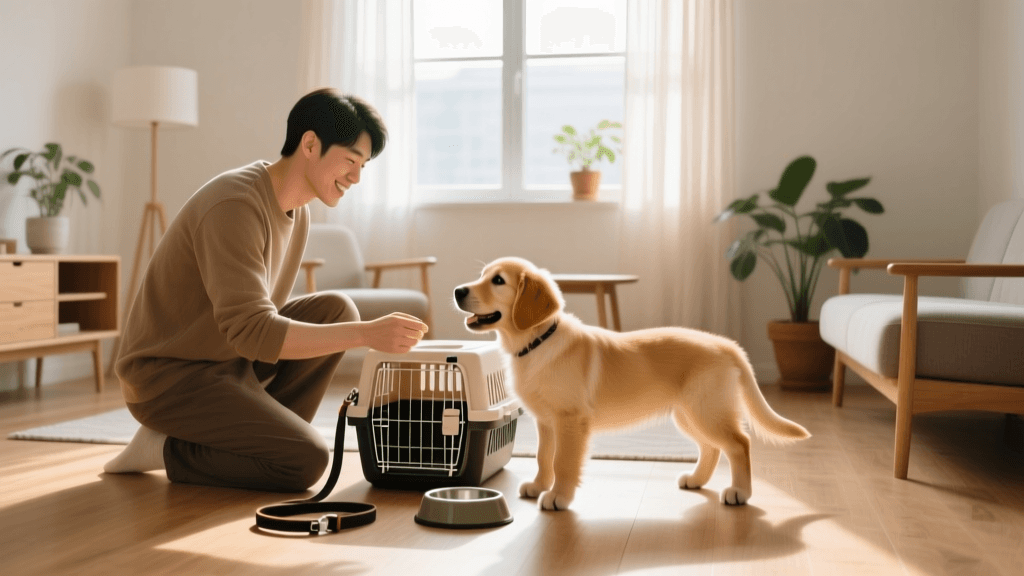
Welcome to Dog Ownership: The Power of a Routine
Bringing a new puppy home is one of the most exciting milestones in life, but it can quickly become overwhelming for a first-time owner. Between the midnight whining, the unexpected puddles on your favorite rug, and the sharp little teeth, it is easy to feel like you are losing control. The secret to surviving and thriving during these early months is establishing a strict, predictable daily routine. According to the American Kennel Club (AKC), a consistent schedule not only accelerates potty training but also builds your puppy's confidence by making their environment predictable.
This comprehensive guide will walk you through the exact timings, measurements, and product recommendations you need to build the perfect daily routine for your new puppy.
The Core Components of a Puppy's Day
A puppy's day revolves around four main pillars: sleeping, eating, playing, and eliminating. Puppies between the ages of 8 and 12 weeks require an astonishing 18 to 20 hours of sleep per day. When they are awake, their metabolisms are running on overdrive, meaning they need frequent, small meals and immediate access to a potty area. Failing to manage these transitions results in an overtired, overstimulated puppy, which often manifests as excessive biting, barking, and an inability to settle.
Sample Daily Puppy Schedule (8 to 12 Weeks)
Below is a structured timetable designed for a typical 8-to-12-week-old puppy. Keep in mind that you will need to adjust this based on your personal work schedule, but the sequence of events should remain identical.
| Time Block | Activity | Duration | First-Time Owner Pro-Tip |
|---|---|---|---|
| 6:30 AM | Wake Up and Immediate Potty | 10 mins | Carry them outside to avoid accidents on the way to the door. |
| 6:45 AM | Breakfast and Hydration | 15 mins | Measure food precisely; pick up the bowl after 15 minutes to regulate digestion. |
| 7:00 AM | Post-Meal Potty and Play | 20 mins | Engage in gentle tug-of-war or training. Potty again before crating. |
| 7:30 AM | Morning Nap (Crate) | 2 hours | Use a white noise machine to drown out household sounds. |
| 9:30 AM | Potty and Socialization | 30 mins | Take them on a stroller walk or sit on a porch to watch the world. |
| 10:00 AM | Mid-Day Nap | 2 hours | Enforce the nap even if they do not seem tired. |
| 12:00 PM | Potty, Lunch and Play | 30 mins | Second meal of the day. Practice basic sit and name recognition. |
| 12:30 PM | Afternoon Nap | 2.5 hours | Cover the crate with a breathable blanket to create a den-like atmosphere. |
| 3:00 PM | Potty and Independent Play | 30 mins | Provide a frozen KONG toy to soothe teething gums. |
| 3:30 PM | Late Afternoon Nap | 2 hours | Crucial for preventing the dreaded evening zoomies. |
| 5:30 PM | Potty, Dinner and Training | 30 mins | Final meal. Use a portion of their kibble as training rewards. |
| 6:00 PM | Family Time and Gentle Play | 1.5 hours | Keep energy low. Chew toys and sniffing mats are ideal here. |
| 7:30 PM | Final Potty and Wind Down | 15 mins | Dim the lights. No high-energy fetch games before bed. |
| 8:00 PM | Bedtime (Crate) | Overnight | Set an alarm for 2:00 AM for a silent, boring middle-of-night potty break. |
Potty Training: Timing, Measurements, and Cleanup
The ASPCA emphasizes that successful house training relies entirely on supervision and scheduling. A general rule of thumb for bladder control is the 'Months Plus One' rule: a puppy can hold their bladder for roughly their age in months plus one hour. Therefore, an 8-week-old (2-month-old) puppy can only hold it for about 3 hours maximum, but during active play, they will need to go out every 30 to 45 minutes.
Weather conditions also play a massive role in potty training success. Many puppies refuse to eliminate in the rain or cold grass. If you live in a climate with harsh weather, consider setting up an indoor potty station using real grass patches like Fresh Patch or DoggieLawn (approx. $30 per month) placed on a balcony or in a garage. Alternatively, use a high-quality umbrella and a waterproof puppy coat to keep them comfortable during outdoor excursions. Consistency is key; never let bad weather become an excuse for skipping a scheduled potty break, as this will only confuse your puppy's developing bladder control.
Essential Potty Training Products
- Enzyme Cleaner: Standard household cleaners do not break down uric acid. Invest in Nature's Miracle Advanced Stain and Odor Eliminator (approx. $15 for 32oz). You must saturate the area and let it air dry to completely remove the scent marker.
- Potty Bells: Hang a set of Potty Bells by Mighty Paw ($12) on your doorknob. Teach your puppy to nudge them with their nose before going out.
- High-Value Treats: Keep a jar of Zuke's Mini Naturals ($8) right by the door. Reward immediately after they finish eliminating outside.
Feeding Guidelines and Costs
Nutrition is the fuel for your puppy's rapid growth. The American Veterinary Medical Association (AVMA) recommends feeding puppies three to four times a day until they are six months old to maintain stable blood sugar levels and aid digestion.
Portion Control and Hydration
Never free-feed a puppy. Free-feeding ruins your potty training schedule because you cannot predict when they will need to eliminate. Instead, measure their food precisely. While the back of the dog food bag provides a guide, the most accurate method is using a digital kitchen scale. Weighing your puppy's food in grams ensures they are getting the exact caloric intake required for their specific breed and expected adult weight. Expect to spend between $50 and $90 per month on high-quality puppy food, depending on the breed size.
Monitor water intake carefully. A general guideline is that puppies need between one-half to one ounce of water per pound of body weight each day. For a 10-pound puppy, this translates to 5 to 10 ounces of water daily. However, remove the water bowl about two hours before bedtime to help them sleep through the night without needing a 3:00 AM potty break.
Enforced Naps and Crate Training
First-time owners often mistake a puppy's frantic biting and hyperactivity for a need for more exercise. In reality, this is almost always a sign of sleep deprivation. Just like human toddlers, puppies do not know how to put themselves to sleep when they are overtired. You must enforce naps by placing them in their crate or a quiet pen.
Setting Up the Sleep Space
Your crate setup should mimic a secure den. Here is a checklist of items to include:
- The Crate: A wire crate with a divider panel (e.g., MidWest Homes for Pets iCrate, $60-$80). The divider ensures the space is only large enough for them to stand, turn around, and lie down. If it is too large, they will potty in one corner and sleep in the other.
- Comfort Item: The SmartPetLove Snuggle Puppy ($40) includes a simulated heartbeat and heat pack that mimics the feeling of sleeping against their littermates, drastically reducing nighttime crying.
- Safe Chew: A KONG Classic ($15) stuffed with plain, canned pumpkin (not pie filling) and frozen. This provides a soothing, long-lasting distraction as they settle down.
Surviving the Evening 'Witching Hour'
Many first-time owners are completely blindsided by the 'witching hour'—a period usually between 6:00 PM and 8:00 PM where a previously angelic puppy turns into a landshark, biting ankles, barking at shadows, and refusing to settle. This behavior is a combination of accumulated daily stress, overstimulation, and fatigue. To manage this, you must proactively lower the energy in your home. Dim the overhead lights, turn off loud televisions, and provide a 'decompression activity.' Scatter feeding is an excellent tool for this. Take your puppy's evening meal portion and scatter it across a snuffle mat or a clean grassy area in your yard. Sniffing lowers a dog's heart rate and provides immense mental fatigue. A 15-minute sniffing session is equivalent to an hour of physical walking in terms of caloric burn and mental exhaustion. If the biting persists, calmly place the puppy in their crate with a frozen chew toy for a 20-minute enforced reset nap.
The Importance of a Puppy Tracking Journal
When you are sleep-deprived and covered in puppy breath, it is incredibly difficult to remember what time your dog last ate, drank, or eliminated. First-time owners highly benefit from keeping a dedicated puppy journal or using a smartphone app like 'Puppy Tracker.' Log every potty break, noting whether it was successful or if there was an accident. Track their food intake in grams, their water consumption, and their sleep durations. After just three days of meticulous tracking, you will begin to see distinct biological patterns. You will learn exactly how many minutes after drinking water your puppy needs to urinate, allowing you to preemptively rush them outside before an accident occurs. This data-driven approach removes the guesswork and frustration from early dog ownership, replacing it with actionable, predictable insights.
Socialization and Exercise Boundaries
While routine is vital, so is proper physical and mental development. However, first-time owners frequently over-exercise their puppies, which can damage developing growth plates. Stick to the '5-Minute Rule': provide 5 minutes of structured, low-impact exercise per month of age, twice a day. For a 3-month-old puppy, this means 15 minutes of leash walking or sniffing sessions in the morning and evening. Mental enrichment, such as snuffle mats or basic obedience training, tires a puppy out much faster and more safely than physical exertion.
Final Thoughts for the First-Time Owner
Establishing a routine requires immense patience and consistency during the first few weeks. There will be days when the schedule falls apart, and that is perfectly normal. The goal is not robotic perfection, but rather a predictable framework that helps your puppy feel safe, understood, and prepared for a lifetime in your home. Stick to the schedule, enforce those naps, and celebrate the small victories—your future well-behaved adult dog will thank you.
tom-renshaw
All our authors care for dogs every day — read more of their work on the authors page.