8 to 12 Week Puppy Care: First Month Home Survival Guide
Master the 8 to 12 week puppy stage with our life stage care guide. Learn potty training, socialization, and feeding schedules for your new pup.
Welcome to the 8 to 12 Week Puppy Stage
Bringing home a puppy between 8 and 12 weeks of age is an exhilarating experience, but it is also one of the most demanding periods of dog ownership. Often referred to as the 'toddler' phase, this specific life stage is characterized by rapid neurological development, intense curiosity, and a profound vulnerability to both disease and behavioral imprinting. As a new pet parent, understanding the unique developmental milestones of this window is crucial for setting the foundation of a well-adjusted adult dog.
During this critical period, your puppy is learning how to interact with the world, developing bite inhibition, and forming lifelong associations with their environment. According to the American Kennel Club (AKC), the experiences your puppy has between 8 and 12 weeks will heavily influence their temperament, confidence, and trainability for the rest of their life. This comprehensive life stage care guide will walk you through the exact protocols for sleep, nutrition, potty training, and socialization to ensure your puppy thrives during their first month home.
Understanding Sleep and Enforced Naps
One of the most surprising realities for new owners is just how much sleep an 8-week-old puppy requires. Puppies in this life stage need between 18 to 20 hours of sleep per day to support their rapid physical and cognitive growth. However, unlike adult dogs, young puppies often do not know how to self-soothe or put themselves to bed. They will frequently fight sleep, leading to overtiredness, which manifests as hyperactivity, excessive biting, and an inability to focus on training.
To combat this, you must implement 'enforced naps.' This means placing your puppy in their crate or a designated quiet pen for a nap every 45 to 60 minutes after they wake up. A typical cycle for an 8-week-old puppy involves waking up, going potty, engaging in 20 to 30 minutes of play or training, and then returning to the crate for a 2-hour nap. Establishing this rhythm early prevents behavioral meltdowns and helps your puppy learn how to settle independently.
Setting Up the Safe Space and Crate Training
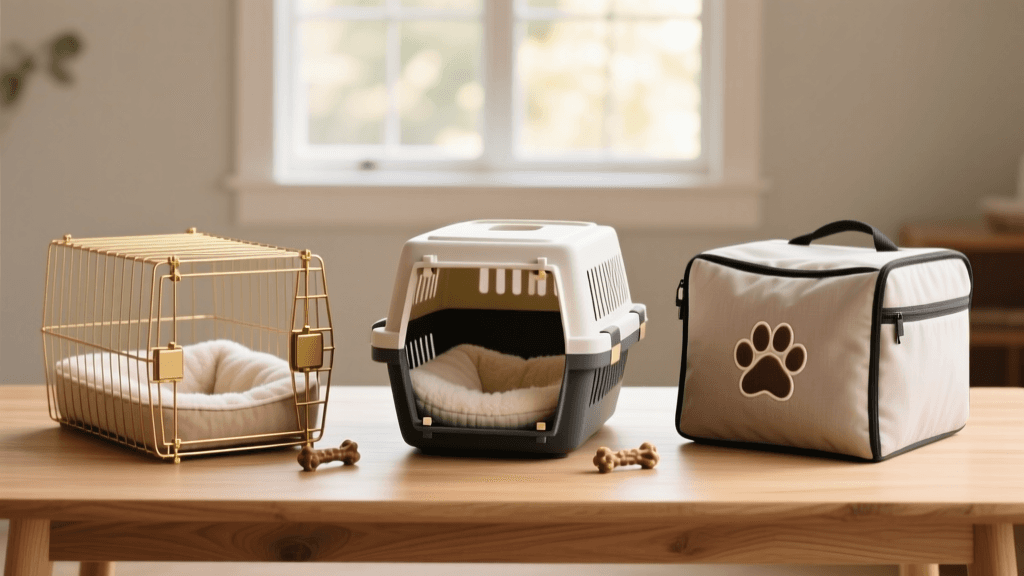
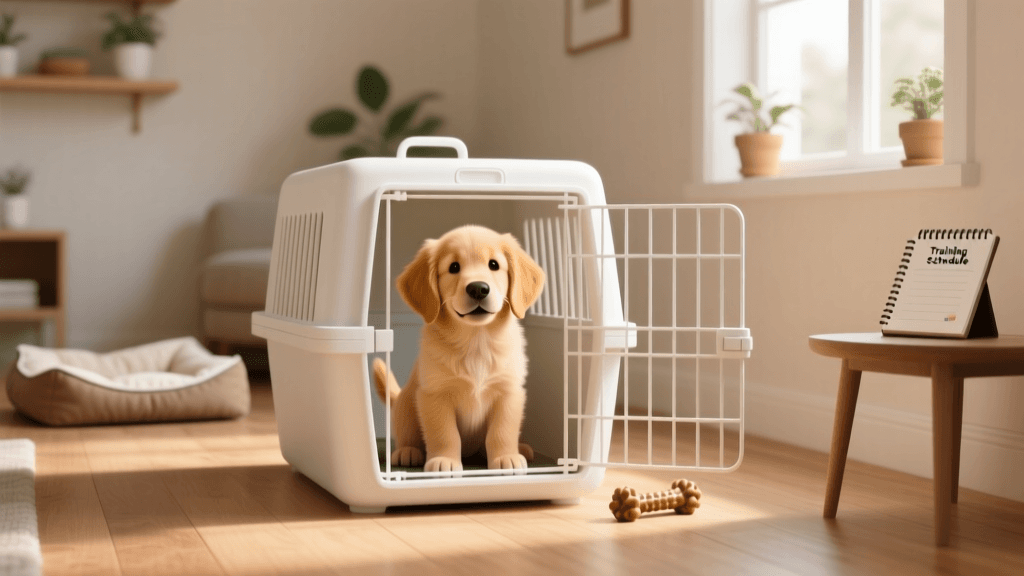
Your puppy’s crate is not a punishment zone; it is their den, their bedroom, and their primary tool for potty training and safety. For the 8 to 12 week stage, it is highly recommended to purchase a wire crate that will accommodate your dog's adult size, but you must use the included divider panel to restrict the space. If a puppy has too much room, they will designate one corner for sleeping and the opposite corner for eliminating, which completely undermines your potty training efforts.
The ideal crate size for an 8-week-old puppy should be just large enough for them to stand up, turn around, and lie down comfortably. For medium-to-large breeds, a 36-inch or 42-inch crate (such as the MidWest Homes for Pets iCrate, typically costing between $50 and $80) with the divider set to allow only 18 inches of space is perfect. Line the crate with a washable, non-plush bedding material like a Vetbed or a tightly woven fleece blanket to prevent the puppy from chewing and ingesting loose stuffing, which can cause life-threatening intestinal blockages.
The 8 to 12 Week Feeding Schedule
Proper nutrition is vital during this explosive growth phase. Puppies aged 8 to 12 weeks have small stomachs and high metabolic rates, meaning they cannot consume enough calories in a single sitting to sustain their blood sugar levels. Therefore, they must be fed three to four times a day on a strict schedule. Free-feeding (leaving food out all day) is strongly discouraged during this life stage, as it makes potty training nearly impossible to predict and can lead to rapid, unhealthy weight gain in large breed puppies.
Below is a structured daily schedule designed to optimize digestion and potty training predictability:
| Time | Activity | Potty Protocol |
|---|---|---|
| 7:00 AM | Wake up & Breakfast (Meal 1) | Outside immediately, then again 15 mins later |
| 12:00 PM | Lunch (Meal 2) | Outside immediately, then again 15 mins later |
| 5:00 PM | Dinner (Meal 3) | Outside immediately, then again 15 mins later |
| 7:30 PM | Water bowl removed | Final outdoor play and potty break |
| 8:00 PM | Bedtime / Crate | One last potty break right before crating |
Always ensure you are feeding a high-quality, AAFCO-approved puppy food formulated for your dog's expected adult size. Large breed puppies require specific calcium-to-phosphorus ratios to prevent orthopedic issues like hip dysplasia. Consult your veterinarian for exact portion measurements, as caloric needs vary wildly between a 5-pound Chihuahua puppy and a 15-pound Labrador puppy.
Potty Training Protocols for Young Puppies
The golden rule of potty training an 8 to 12-week-old puppy is proactive management, not reactive correction. A general veterinary rule of thumb is that a puppy can hold their bladder for roughly one hour for every month of age. This means an 8-week-old (2-month-old) puppy has a maximum physical capacity of about two hours, but only when they are resting or sleeping. When awake and active, they may need to eliminate every 20 to 30 minutes.
You must take your puppy outside immediately after they wake up from a nap, immediately after they finish a meal, and immediately after a vigorous play session. When they eliminate in the correct spot, reward them instantly with a high-value treat (like boiled chicken or freeze-dried liver) and enthusiastic verbal praise. If accidents happen indoors, never punish the puppy. Rubbing their nose in it or yelling will only teach them to hide from you when they need to go. Instead, clean the area thoroughly with an enzymatic cleaner like Nature's Miracle (approximately $12 at most pet stores) to break down the uric acid crystals and eliminate the scent markers that would otherwise invite repeat offenses.
Navigating the Critical Socialization Window
The 8 to 12 week period falls squarely within the primary socialization window, which begins to close around 12 to 16 weeks of age. During this time, a puppy's brain is uniquely wired to accept new experiences without fear. However, this stage also coincides with a period of high vulnerability to infectious diseases like Canine Parvovirus, as the puppy has not yet completed their initial vaccination series.
According to the American Veterinary Society of Animal Behavior (AVSAB), the risk of under-socialization and subsequent behavioral euthanasia far outweighs the risk of disease transmission if proper precautions are taken. The AVSAB strongly recommends that puppies begin socialization classes and safe environmental exposure as early as 7 to 8 weeks of age.
'The primary and most important time for puppy socialization is the first three months of life. During this time puppies should be exposed to as many new people, animals, stimuli and environments as can be achieved safely.' - AVSAB Position Statement
To socialize safely before vaccines are complete, avoid high-dog-traffic areas like dog parks or pet store floors. Instead, carry your puppy in a sling or a specialized dog stroller through busy outdoor shopping centers, sit on park benches to watch traffic, and invite fully vaccinated, healthy adult dogs to your home for playdates. Expose your puppy to different textures (grass, gravel, metal grates), strange sounds (vacuum cleaners, sirens, umbrellas opening), and diverse people (children, people wearing hats, people using mobility aids).
Managing Bite Inhibition and Early Teething
Puppies explore the world with their mouths, and at 8 weeks old, their teeth are remarkably sharp. Bite inhibition—the ability to control the force of their jaw—is a skill they begin learning with their littermates, but it is your responsibility to continue this education. When your puppy bites your skin, let out a high-pitched 'yelp' to mimic a littermate, immediately withdraw your attention for 10 seconds, and then redirect their chewing energy onto an appropriate toy.
Invest in a variety of textures to soothe their developing gums. The classic KONG Puppy toy (made from softer, pink or blue rubber, costing around $12 to $15) is excellent for stuffing with soaked kibble and freezing. Avoid giving puppies hard items like antlers, bones, or ice cubes during this stage, as their deciduous (baby) teeth are fragile and can easily fracture, leading to painful and expensive veterinary dental extractions.
Final Thoughts on the First Month
Surviving the 8 to 12 week puppy stage requires immense patience, consistency, and a structured routine. By prioritizing enforced naps, adhering to a strict feeding and potty schedule, and safely maximizing the socialization window, you are doing much more than just surviving the first month. You are actively architecting the neurological pathways of a confident, resilient, and well-mannered adult dog. For further reading on general health and safety, the ASPCA offers excellent resources on puppy-proofing your home and recognizing early signs of canine illness. Embrace the chaos of the toddler phase, and enjoy the profound bond that forms during these foundational weeks.
jonas-cole
All our authors care for dogs every day — read more of their work on the authors page.