Herding vs Sporting Breeds: A Training Selection Guide
Compare herding and sporting breeds for obedience training. Discover selection tips, training timelines, and breed-specific conditioning techniques.
Understanding Breed-Specific Trainability
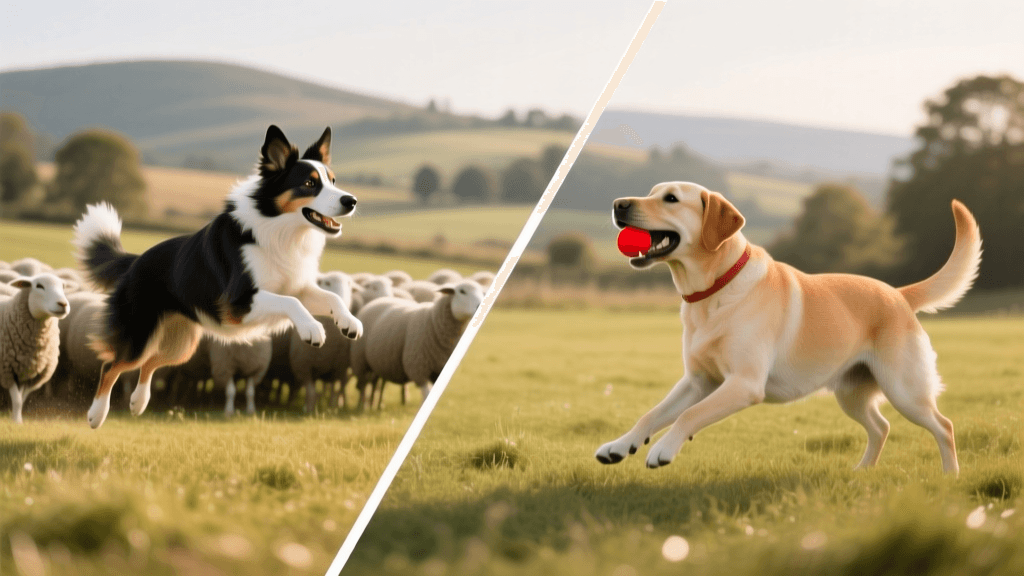
When selecting a canine companion, prospective owners often prioritize appearance or size, overlooking one of the most critical factors in long-term human-animal harmony: trainability. If your goal is to engage in advanced obedience, agility, or complex behavioral conditioning, understanding the genetic predispositions of different breed groups is essential. Two of the most popular and highly trainable categories are the Herding Group and the Sporting Group. While both groups boast high intelligence, their learning styles, motivations, and environmental sensitivities differ drastically. According to the American Kennel Club's Herding Group profiles, these dogs were bred to control the movement of other animals, requiring intense focus and responsiveness to subtle handler cues. Conversely, the American Kennel Club's Sporting Group was developed to assist hunters, resulting in dogs that are highly active, alert, and driven by scent and retrieval instincts.
This comprehensive guide compares the training profiles of herding and sporting breeds, providing actionable advice, gear recommendations, and timelines to help you select and condition the perfect obedience partner.
Herding Breeds: The Workaholics of Obedience
Traits, Drives, and Learning Styles
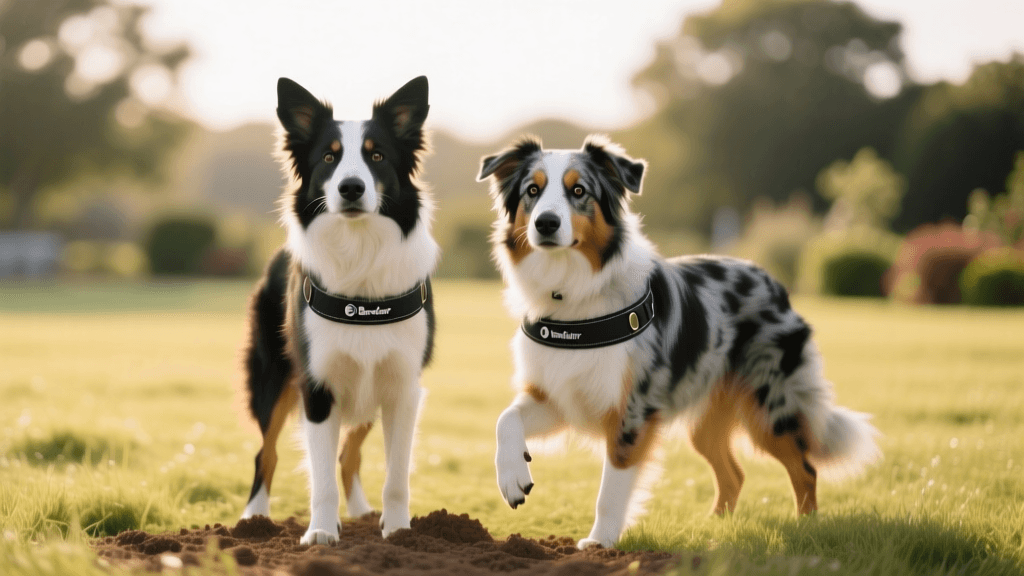
Herding breeds—such as the Border Collie, Australian Shepherd, and Belgian Malinois—are widely considered the most biddable dogs in the world. Biddability refers to a dog's innate desire to work in partnership with a human. These dogs learn new commands in fewer than five repetitions and retain them with remarkable accuracy. However, their intelligence is a double-edged sword. Herding dogs are environmental sponges; they notice the flicker of a shadow, the shift in your body weight, and the sound of a distant car. This makes them highly sensitive to handler frustration. If you employ harsh corrections, a herding dog is likely to shut down or develop neurotic behaviors.
Training a herding breed requires mental exhaustion just as much as physical exercise. A 45-minute physical run will not satisfy a Border Collie, but a 15-minute session of shaping complex tricks or scent discrimination will leave them happily fatigued. The ASPCA recommends keeping training sessions short, positive, and highly engaging to prevent canine burnout and frustration.
Recommended Gear and Costs
- Mental Stimulation Toys: The Outward Hound Nina Ottosson Dog Brick Interactive Puzzle ($29.99) is excellent for teaching problem-solving and focus before a training session.
- High-Value Rewards: Zuke's Mini Naturals ($8.00 per 16oz bag) are low-calorie, highly aromatic treats perfect for rapid-fire marking during shaping sessions.
- Agility Equipment: For advanced conditioning, a CoolK9 Steel Jump ($120.00) allows you to practice directional commands and distance control in your backyard.
Training Timeline
8 to 12 Weeks: Focus on socialization, name recognition, and luring basic positions (sit, down, stand). Keep sessions to 3 minutes, three times a day.
4 to 6 Months: Introduce leash pressure, recall foundations, and impulse control games. Herding puppies will begin to exhibit staring and nipping behaviors; redirect this using a flirt pole to satisfy their prey drive safely.
8 to 12 Months: Transition to off-leash reliability in enclosed areas and introduce advanced concepts like left/right directional sends and out-of-sight down-stays.
Sporting Breeds: The Eager Retrievers
Traits, Drives, and Learning Styles
Sporting breeds—including the Labrador Retriever, Golden Retriever, and English Springer Spaniel—are renowned for their stable temperaments, eagerness to please, and robust physical endurance. Unlike the hyper-vigilant herding dog, the sporting dog is generally more forgiving of handler mistakes. They are soft in temperament but hard in physical drive, meaning they can endure rigorous physical training and repetitive retrieving exercises without mental fatigue.
The primary challenge in training sporting breeds is environmental distraction, specifically scent and movement. A Golden Retriever may execute a flawless heel in your living room, but the moment a pheasant crosses the field, their genetic wiring overrides their obedience. Therefore, proofing commands against high-level environmental distractions is the cornerstone of sporting breed conditioning.
Recommended Gear and Costs
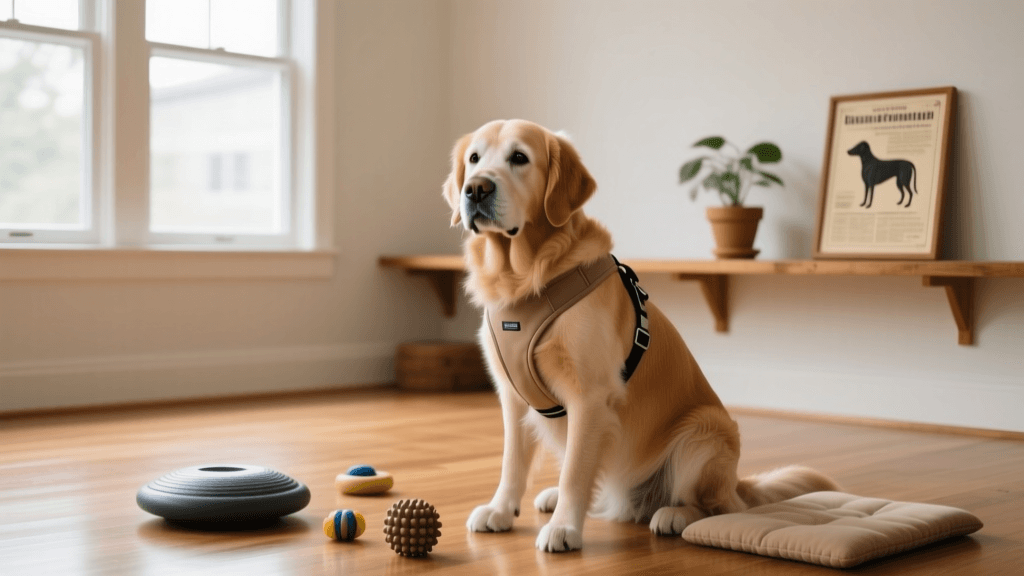
- Harnesses: The Ruffwear Front Range Harness ($39.95) features a front-clip leash attachment, which is invaluable for teaching loose-leash walking to strong, broad-chested retrievers.
- Retrieval Dummies: Dokken's Retriever Training Dead Fowl Trainer ($35.00) mimics the weight and texture of real game, encouraging a soft mouth and proper hold conditioning.
- Long Lines: A 30-foot Biothane tracking line from Mendota Pets ($25.00) is essential for proofing recall commands in open fields before transitioning to off-leash work.
Training Timeline
8 to 12 Weeks: Introduce the hold command using soft canvas bumpers. Focus on building a strong food drive and establishing a positive association with the whistle.
4 to 6 Months: Begin force-fetch or conditioned retrieve foundations (if pursuing hunt tests). For pet obedience, focus heavily on the leave it command to manage their natural scavenging instincts on walks.
8 to 14 Months: Proofing recall against wildlife distractions. Sporting breeds mature slightly slower mentally than herding breeds, so expect reliable off-leash obedience to solidify closer to the 14-to-18-month mark.
Comparison Chart: Herding vs. Sporting Breeds
| Training Metric | Herding Breeds (e.g., Border Collie, Malinois) | Sporting Breeds (e.g., Labrador, Golden Retriever) |
|---|---|---|
| Primary Motivation | Movement, handler engagement, mental tasks | Food, retrieving, scent tracking |
| Distraction Triggers | Fast-moving objects, sounds, shadows, other animals | Birds, wildlife scents, water, dropped food |
| Handler Sensitivity | Extremely high; easily stressed by harsh corrections | Moderate to high; generally forgiving and resilient |
| Ideal Session Length | 5 to 15 minutes (high mental intensity) | 15 to 30 minutes (repetition and endurance building) |
| Best Advanced Sport | Agility, Treibball, Advanced Obedience, Schutzhund | Hunt Tests, Field Trials, Dock Diving, Scent Work |
| Estimated Group Class Cost | $150 - $250 (Agility/Herding specialized clubs) | $120 - $180 (Obedience/Retrieving local clubs) |
Investment in Professional Training and Socialization
Budgeting for a highly trainable dog extends beyond the initial purchase or adoption fee. For both herding and sporting breeds, early socialization is non-negotiable. Expect to spend between $150 and $250 on a comprehensive puppy kindergarten program that focuses on environmental neutrality and bite inhibition. As your dog matures, specialized training becomes necessary. Herding dogs often benefit from private behavioral consultations to manage reactivity, which typically cost $100 to $150 per hour. Sporting dogs, on the other hand, may require specialized field training or scent-work classes, averaging $200 for a six-week course. Investing in high-quality gear, such as the GPS-enabled Garmin Alpha 300i collar for off-leash field tracking (approximately $699), ensures safety when working with high-drive sporting breeds in expansive, unfenced terrains.
Actionable Selection Advice for Prospective Owners
Choosing between a herding and a sporting breed requires an honest assessment of your lifestyle, living environment, and training ambitions.
Choose a Herding Breed If:
- You are passionate about dog sports like agility or competitive obedience and have the time to dedicate 1 to 2 hours daily to structured mental training.
- You live in an environment where you can control visual triggers (e.g., a fenced yard rather than a busy city street with constant foot traffic and bicycles).
- You prefer a dog that watches your every move and responds to subtle hand signals and body language.
Choose a Sporting Breed If:
- You want an active hiking, running, or camping companion who is generally more relaxed inside the house once their physical exercise needs are met.
- You are a first-time owner looking for a forgiving dog that can bounce back from accidental training errors or inconsistent handling.
- You enjoy activities centered around water, retrieving games, or nose work, and you want a dog with a robust, happy-go-lucky demeanor.
Conclusion
Both herding and sporting breeds represent the pinnacle of canine trainability, but they demand vastly different approaches to behavioral conditioning. Herding dogs require a handler who acts as a precise, calm director, managing their intense mental energy and environmental sensitivity. Sporting dogs require a handler who can channel their boundless physical drive and scent-oriented focus into structured, reliable obedience. By selecting the breed group that aligns with your lifestyle and utilizing the correct gear, timelines, and reward systems, you will forge an unbreakable bond and cultivate a brilliantly trained canine partner.
beth-carrasco
All our authors care for dogs every day — read more of their work on the authors page.